Water treatment sounds simple until you start looking at the choices. Softener, filter, reverse osmosis, whole-home unit, under-sink system, sediment cartridge, carbon tank — suddenly the kitchen tap feels like it needs a project manager. But for most homeowners, the goal is not complicated at all. They just want water that tastes better, feels better, and stops causing little problems around the house.
The important part is matching the system to the actual issue. Hard water, odd tastes, cloudy glasses, dry skin, and mineral buildup do not all come from the same cause. So the installation should not be random either.
Why Hard Water Needs a Practical Fix
Hard water is one of those problems people often live with for years. It leaves spots on dishes, crust around faucets, and that dull film on shower doors that never seems to fully clean off. It can also make soap less effective, laundry rougher, and appliances work harder.
That’s where softener installation can make a real difference. A properly installed softener helps reduce hardness minerals before they move through the rest of the home. The result is often easier cleaning, better lather, softer-feeling water, and less scale building up where it shouldn’t.
Still, sizing matters. A softener should fit the household’s water use and hardness level. Too small, and it struggles. Too large, and it may be unnecessary. Good installation begins with testing, not guessing.
Cleaner Drinking Water Where It Matters Most
Whole-home treatment helps with many household concerns, but drinking water often deserves its own attention. The water used for coffee, tea, cooking, baby bottles, ice, and a simple glass at night should feel fresh and reliable.
A reverse osmosis installation is commonly chosen for drinking water because it can reduce many dissolved substances that affect taste and quality. Usually installed under the sink, it provides treated water through a dedicated faucet, making it convenient for everyday use.
The difference can be surprisingly noticeable. Coffee tastes cleaner. Ice loses that odd tap-water flavour. Soup, pasta, and even homemade lemonade can taste better when the water behind them is improved.
Filtration Is Not One-Size-Fits-All
Not every water problem is hardness or drinking-water taste. Some homes deal with sediment, chlorine smell, sulfur odour, iron staining, or cloudy water. Others have well water that changes after heavy rain or city water that tastes too chemical.
This is where filtration systems come in, but the type of filter matters. Carbon filtration may help with chlorine taste and odour. Sediment filtration can catch sand, rust, and particles. Iron filters may be needed for orange stains. Some homes need more than one stage to get the right result.
A good installer should explain what each system does and what it does not do. That honesty is important because no single filter solves every water issue.
The Installation Makes or Breaks the System
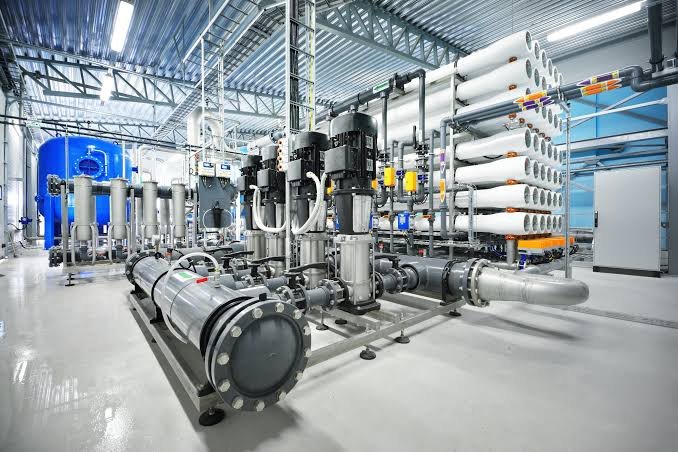
Even a high-quality system can perform poorly if it is installed badly. Placement, plumbing connections, pressure, drain access, bypass valves, and maintenance space all matter. These details may not be exciting, but they decide whether the system works smoothly for years or becomes a headache.
A clean installation should look organised. The system should be accessible. Filters should be easy enough to change. Valves should be clearly explained. The homeowner should know what normal operation looks like before the installer leaves.
That final walkthrough matters more than people think. Nobody wants equipment in the garage or utility room that feels mysterious.
Testing Before Treatment Saves Money
Many homeowners buy water equipment because of symptoms. Spots on dishes? Buy this. Bad taste? Try that. Dry skin? Maybe another filter. But symptoms can overlap. Hard water can cause scale, but so can other mineral conditions. Bad taste can come from chlorine, dissolved solids, metals, or plumbing.
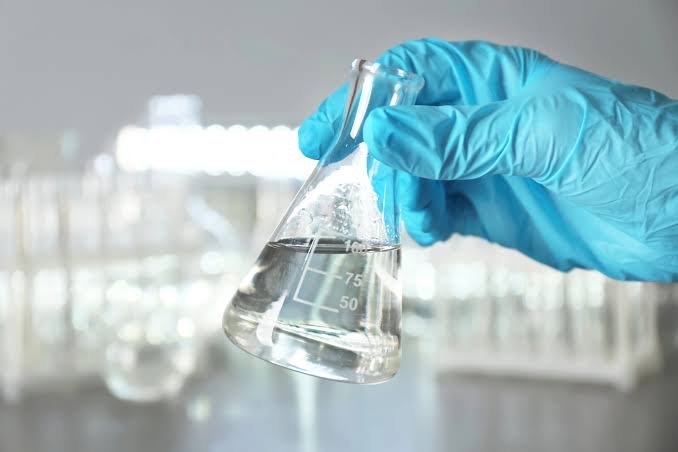
Testing gives the installation a real direction. It shows what is in the water and helps decide which system belongs where. This prevents wasted money and avoids the disappointment of installing something that only partly fixes the problem.
A proper plan may include a softener, a drinking-water system, a whole-home filter, or a combination. The right setup depends on the water, the plumbing, and the people using it every day.
What Homeowners Should Expect
A good installation process should feel clear from start to finish. The provider should test or review the water, recommend a system based on results, choose a practical location, install the equipment carefully, test it after setup, and explain maintenance.
Homeowners should ask about filter life, salt use, service needs, warranty, water pressure, and long-term costs. These questions are not annoying; they are smart. A system is easier to live with when you understand it.
The best companies welcome those questions because they know water treatment is not just about selling equipment. It is about helping the home run better.
Better Water Should Feel Effortless
Once the right system is installed properly, water should become something you stop worrying about. Showers feel nicer. Glasses look clearer. Coffee tastes better. Appliances deal with less buildup. Cleaning feels a bit less frustrating.
That is the quiet value of good water treatment. It does not need to be flashy. It just needs to work.
The path is simple: test the water, choose the right solution, install it correctly, and maintain it as needed. When those steps come together, better water becomes part of everyday life — not another household problem waiting to be solved.