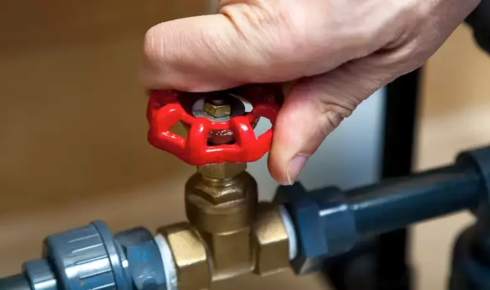
Some plumbing problems make themselves known right away. A burst pipe under the sink. A toilet that won’t stop running. Water dripping through the ceiling, which is never a good sound. But then there are the quieter problems, the ones buried outside or tucked near the edge of the property. Those can be trickier, because by the time you notice them, they may have already been causing trouble for a while.
A stop box or underground shut-off valve is one of those things most homeowners don’t think about until they need it. It sits out there, usually near the property line, doing an important job in silence. When it works properly, it allows water service to be turned off safely for repairs, inspections, or emergencies. When it doesn’t, even a simple plumbing issue can become a much bigger headache.
Why the Stop Box Matters More Than People Realize
The stop box is basically the access point to your underground water shut-off valve. It may not look like much from the surface — sometimes just a small cap or cover in the yard, sidewalk, or driveway area — but it plays a serious role. If water needs to be shut off quickly, that access point has to be clear, functional, and connected properly to the valve below.
A leaking stop box can be more than just a damp spot in the yard. It may suggest a failing connection, damaged underground component, or water escaping near the service line. Left alone, that moisture can soften soil, create muddy areas, affect nearby concrete, or lead to unnecessary water loss. It’s easy to ignore at first, especially if the leak seems small, but small underground leaks have a way of growing quietly.
The Trouble With Buried Valves
Anything buried underground has to deal with pressure, soil movement, moisture, temperature changes, and time. Valves can become stuck, corroded, misaligned, or damaged. Sometimes the access pipe shifts, making it difficult to reach the valve at all. Other times, landscaping, paving, or years of soil buildup hide the location completely.
A buried water valve becomes a real problem when the homeowner or plumber needs to shut off the water and can’t access it quickly. Imagine dealing with a leaking service line or major indoor plumbing repair, only to discover the shut-off point is jammed, hidden, or broken. That delay can mean more water damage and more stress than expected.
This is why locating and maintaining underground shut-off points is not just a technical detail. It is part of protecting the whole property.
Early Signs Something Isn’t Right
Not every stop box issue is dramatic. Sometimes the first sign is a patch of grass that stays wet even during dry weather. Maybe the area around the valve cover sinks slightly. You might notice rust, standing water, or a cover that no longer sits properly. In some cases, the water bill creeps up without an obvious indoor leak.
These little clues are worth paying attention to. Homeowners often assume outdoor dampness is from rain, sprinklers, or drainage. And sometimes it is. But if the wet area stays in one place or keeps returning, it’s smart to have it checked.
A professional can inspect the stop box, locate the valve, test function, and determine whether the issue is minor or something that needs repair.
When Waiting Makes the Situation Worse
There is a natural temptation to delay underground plumbing work. Nobody wants digging in the yard. Nobody wants to think about repair costs. And, honestly, if the water is still working inside the house, it can feel easy to put off.
But underground water issues rarely improve on their own. A leak can widen. Soil can shift. Corrosion can spread. A stuck valve can become completely unusable at the worst possible time. What might have been a straightforward fix can turn into an emergency repair if the system fails suddenly or water needs to be shut off immediately.
That’s the frustrating part — waiting often feels cheaper until it isn’t.
Why Professional Help Is Worth It
Repairing or replacing underground shut-off components takes the right tools and experience. The valve must be located accurately, excavation needs to be controlled, and the water line should be protected during the process. If the area is near sidewalks, driveways, landscaping, or utility lines, the work becomes even more delicate.
A good plumbing contractor won’t just dig and guess. They’ll identify the problem, explain the options, and make sure the repair is done in a way that supports long-term use. That may include adjusting the access point, replacing damaged parts, or ensuring the valve can be reached easily in the future.
A Small Part With a Big Job
The stop box may not be the most noticeable part of your plumbing system, but it has an important purpose. It gives access, control, and safety when water service needs attention. Keeping it in good condition can save time, prevent damage, and make future repairs much easier.
So, if you see unexplained wet spots, a damaged valve cover, sinking soil, or signs of outdoor water loss, don’t brush it off too quickly. Sometimes the quiet problems outside are the ones most worth fixing before they turn into something bigger.
