When summer temperatures climb, your air conditioner becomes one of the most important systems in your home. A properly working AC should keep indoor spaces comfortable without constantly struggling to maintain the temperature you set. But when something goes wrong, you may notice warm rooms, weak airflow, unusual sounds, or an AC that seems to run endlessly. Understanding the common causes can help you recognize a problem before it turns into a larger and more expensive repair.
If your home is not cooling as it should, arranging ac repair for warm weather may be necessary, particularly when simple troubleshooting does not solve the issue. Some AC problems are minor, while others require professional attention to protect the system from further damage.
A Dirty or Clogged Air Filter
One of the simplest reasons an air conditioner may struggle during summer is a dirty air filter. The filter catches dust, dirt, pet hair, and other airborne particles before they can circulate through your home. Over time, it can become clogged and restrict the amount of air moving through the system.
When airflow is reduced, your AC may have to work harder to cool the home. Some rooms may feel warmer than others, while the system may run for longer periods without reaching the desired temperature.
Checking the air filter should be one of the first things homeowners do when cooling performance drops. If it looks heavily covered with dust or debris, replacing it with the correct filter can improve airflow. The ideal replacement schedule depends on the type of filter, household conditions, pets, and overall indoor air quality.
Low Refrigerant Can Affect Cooling Performance
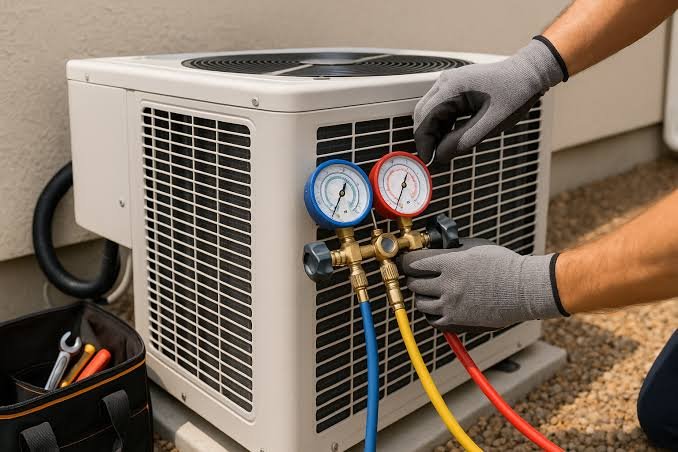
Refrigerant plays an important role in the cooling process. If the system does not have the appropriate refrigerant charge, it may not be able to remove heat from indoor air effectively.
A refrigerant problem can sometimes be associated with a leak rather than normal use. Signs may include an AC that runs continuously, reduced cooling performance, ice forming on certain components, or air coming from the vents that is not as cold as expected.
Adding refrigerant without identifying the underlying problem is not a complete solution. If a leak is present, the system may continue losing refrigerant and eventually experience the same problem again. Because refrigerant systems require specialized equipment and knowledge, this type of issue is best assessed by a qualified HVAC professional.
A Frozen Evaporator Coil
It may seem strange that an air conditioner designed to cool your home can actually become too cold, but frozen components can prevent the system from working properly.
An evaporator coil can freeze when airflow is restricted, refrigerant levels are incorrect, or another component is not operating as it should. You might notice ice around the indoor unit or refrigerant lines, water appearing near the system as the ice melts, or a noticeable decline in cooling.
If you discover ice, turning the AC off can give the system time to thaw. However, simply allowing the ice to melt does not address the reason it formed in the first place. Continuing to operate a system with a frozen coil can make the underlying issue worse.
Problems With the Outdoor Unit
Your outdoor condenser unit has an important job: it releases the heat that has been removed from your home. During summer, the unit can become surrounded by leaves, grass, dirt, and other debris, especially if it has not been maintained regularly.
Restricted airflow around the outdoor unit can affect its ability to transfer heat efficiently. Make sure the area around the condenser remains reasonably clear, giving air enough room to circulate.
You may also notice unusual noises, poor cooling, or an outdoor fan that does not appear to be operating normally. Electrical problems, damaged components, or mechanical failures can affect the outdoor unit and usually require professional diagnosis.
A Faulty Thermostat
Sometimes the AC itself is working properly, but the thermostat is not communicating the correct information to the system.
A thermostat with incorrect settings, a weak battery, poor placement, or a malfunction can cause temperature inconsistencies. For example, if the thermostat is positioned somewhere affected by direct sunlight or another heat source, it may register a temperature that does not accurately represent the rest of the home.
Start by checking that the thermostat is set to cooling mode and that the desired temperature is lower than the current indoor temperature. If the system still does not respond correctly, the thermostat may need to be inspected or replaced.
Blocked or Leaking Ductwork
Your AC can produce cold air without effectively cooling your home if that air is not reaching the rooms where it is needed.
Ductwork distributes conditioned air throughout the house. Leaks, damaged sections, disconnected ducts, or significant restrictions can reduce the amount of cooled air reaching certain areas.
This can create a familiar summer problem: one room feels comfortable while another remains noticeably warm. Poor insulation around ducts in unconditioned spaces can also contribute to energy loss.
If you consistently notice uneven temperatures, unusual airflow from certain vents, or higher cooling costs, having the ductwork evaluated may help identify the source.
When Should You Call an HVAC Professional?
Not every AC problem requires an immediate service visit. Replacing a dirty filter, checking thermostat settings, and keeping the outdoor unit clear are reasonable first steps for homeowners.
However, professional help is appropriate when the system continues to struggle after basic checks, stops cooling completely, repeatedly freezes, leaks water, makes unusual sounds, or shows signs of an electrical or refrigerant-related problem.
Trying to repair complicated components without the right tools or training can damage the equipment and may create safety concerns. A professional can identify the underlying cause rather than simply addressing the most obvious symptom.
Conclusion
A warm home in the middle of summer is more than an inconvenience. An AC that constantly struggles may also experience additional wear when the underlying problem is left unresolved.
Regular filter changes, reasonable maintenance, clear space around the outdoor unit, and attention to unusual changes in performance can all help you spot problems earlier. Most importantly, do not ignore persistent signs that your system is no longer cooling the way it should.
When an air conditioner starts behaving differently, identifying the cause early can make it easier to restore comfortable indoor temperatures and keep your cooling system operating reliably throughout the summer.