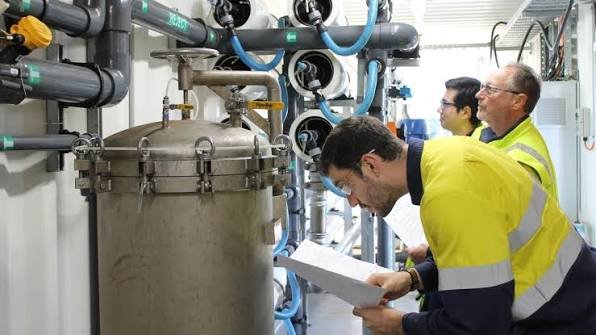
A water treatment system is easy to forget about when everything is working as it should. The water tastes fine, the shower runs smoothly, and there are no strange stains around the kitchen sink. Life carries on, and the equipment quietly does its job in the background.
Then one morning, the water pressure drops, an indicator light starts flashing, or the familiar mineral marks begin appearing again. Suddenly, that equipment you barely noticed has become rather important.
Like most things around the home or workplace, water treatment systems need attention from time to time. Routine care, sensible upgrades, and proper testing can help maintain performance and prevent minor issues from turning into expensive problems. Knowing what to look for makes the process much less stressful.
Why Regular Maintenance Matters
Water treatment equipment works under different conditions depending on the water source, the amount of water used, and the type of treatment involved. A filtration system in a busy family home may need more frequent attention than a unit serving a smaller household. Commercial equipment, meanwhile, may operate for much longer periods each day.
Over time, filters collect particles, seals can wear out, and moving components may need adjustment. A water softener can run low on salt, while a reverse osmosis system may gradually produce water more slowly as its filters or membrane approach the end of their useful service life.
This is where scheduled repair & maintenance becomes important. Regular inspections can identify worn parts, leaks, unusual pressure changes, and other signs that equipment isn’t operating as expected.
Maintenance also helps protect the investment you’ve already made. Replacing a filter at the recommended interval is generally easier than dealing with a system that has been neglected for months. Of course, not every issue can be prevented, but consistent care gives equipment a better chance of performing reliably.
Recognizing the Signs of a Problem
You don’t need to be a plumbing expert to notice when something has changed. In many cases, the earliest warning signs are fairly ordinary.
Perhaps your water starts tasting different, the showerhead develops more mineral buildup than usual, or the water softener seems to use salt more quickly. You might notice a small puddle near the treatment unit or hear a pump making an unfamiliar sound.
These changes don’t always mean the equipment has failed. A clogged filter, incorrect setting, change in incoming water quality, or temporary plumbing issue could be responsible. Still, ignoring the symptoms rarely makes things better.
Start by checking the manufacturer’s instructions and looking for obvious issues, such as a low salt level or a filter that is overdue for replacement. Avoid opening pressurized equipment or attempting electrical repairs unless you’re qualified to do so. If the cause isn’t clear, a trained technician can inspect the system and recommend the appropriate next step.
It’s also worth paying attention to changes in the water supply itself. If several taps suddenly show the same problem, the cause may not be limited to the treatment equipment.
Knowing When It’s Time to Upgrade
A well-maintained system can last for years, but maintenance alone can’t keep every component working indefinitely. Technology changes, household needs evolve, and older equipment may eventually become inefficient or difficult to service.
For instance, a family might install a small drinking water filter and later discover that it no longer meets their daily needs. A business may expand its operations and require greater water flow. In other cases, replacement parts become harder to find, or an older unit consumes more resources than a newer alternative.
Thoughtful trade-ins & upgrades can help address these situations. Depending on the provider, an upgrade program may allow customers to replace aging equipment with a newer model while receiving credit for eligible existing units.
Before committing, compare more than the purchase price. Consider the system’s treatment capabilities, water demand, energy use, replacement filter costs, warranty terms, and expected maintenance requirements. A newer model isn’t automatically the best choice if it doesn’t solve a real problem.
It also helps to review your original reason for installing the system. If the main concern was hard water, confirm that the replacement still addresses hardness effectively. If your priorities have changed, updated water testing may help determine whether another treatment method is appropriate.
The goal is to invest in equipment that fits your current needs rather than replacing something simply because a newer version is available.
Why Water Testing Shouldn’t Be Overlooked
Even when a treatment system appears to be working properly, the quality of the incoming water can change. Seasonal groundwater conditions, plumbing repairs, changes to a private well, or problems with a storage tank may influence what comes out of the tap.
For households that rely on private wells, testing is particularly important because water quality isn’t monitored in the same way as a regulated public supply. Testing recommendations depend on local conditions, but microbial contamination, nitrates, and other potential concerns may need to be checked periodically.
When a water quality issue is suspected, lab water analysis can provide more detailed information than a basic screening test. A qualified laboratory can assess specific parameters using appropriate testing methods, helping homeowners and technicians make better-informed treatment decisions.
The type of analysis matters. A test designed to measure hardness won’t necessarily identify bacteria or chemical contaminants. Before collecting a sample, ask the laboratory which tests are suitable and follow its sampling instructions carefully. Poor sample handling can affect the reliability of the results.
Testing can also be useful before installing new equipment. Rather than purchasing a system based on assumptions, you can choose treatment that matches the actual water quality concerns.
If test results identify a potential health risk, follow the laboratory’s recommendations and contact the appropriate water or public health authority for advice. Treatment should address the identified issue, not rely on a general-purpose product’s marketing claims.
Building a Simple Care Routine
A maintenance routine doesn’t need to be complicated. A few reminders on your calendar can make a real difference.
Check visible pipes and fittings periodically for leaks. Replace filters according to the manufacturer’s schedule, and keep track of service dates. If your system uses salt, check its level and follow the recommended refill procedure. Watch for changes in taste, pressure, water production, or equipment noise.
Keep the product manual and service records somewhere easy to find. These details help technicians understand the system’s history and may make troubleshooting faster.
For commercial properties, it can be useful to assign responsibility for routine checks to a specific staff member. When several people share responsibility, small maintenance tasks can easily be overlooked.
Professional servicing is especially useful when a system includes pumps, electrical controls, complex filtration stages, or disinfection equipment. Follow the manufacturer’s guidance on inspection frequency rather than waiting until something stops working.
Choosing a Service Provider You Can Trust
Good technical support should involve clear explanations, realistic recommendations, and transparent pricing. A service provider should be able to explain what has failed, whether repair is worthwhile, and what alternatives are available.
Ask whether replacement parts are covered by a warranty, whether labor costs are separate, and how long repairs are likely to take. If an upgrade is recommended, request an explanation of the benefits compared with repairing the existing unit.
Be cautious of anyone who insists on replacing the entire system without inspecting it or explaining the reason. Sometimes replacement is the sensible option, but the decision should be based on the equipment’s condition and your water treatment needs.
A Little Attention Today Can Prevent Bigger Problems Tomorrow
Reliable water treatment doesn’t depend on purchasing the most expensive equipment or checking the system every day. It comes down to understanding how the system works, following sensible maintenance practices, and recognizing when testing or professional help is needed.
Keep an eye on performance, respond to unusual changes, and review your equipment when your household or business needs evolve. With a practical maintenance routine and informed decisions about repairs and upgrades, you can help your water treatment system remain useful, efficient, and dependable for the long term.