It’s easy to think about water quality when you’re filling a drinking glass. But what about the water you shower in, use to wash your clothes, or run through your dishwasher every evening?
Most households depend on water far more than they realize. When its quality isn’t quite right, the signs can appear in unexpected places. Perhaps there’s sediment collecting around a faucet, an unpleasant smell during your morning shower, or persistent residue on freshly cleaned surfaces.
A small kitchen filter might address certain drinking water concerns, but it won’t necessarily improve water elsewhere in the house.
That’s where treating water at its entry point becomes an interesting possibility. With suitable equipment, homeowners can address multiple concerns through one centralized arrangement rather than dealing with individual problems room by room.
How Whole-House Filtration Works Behind the Scenes
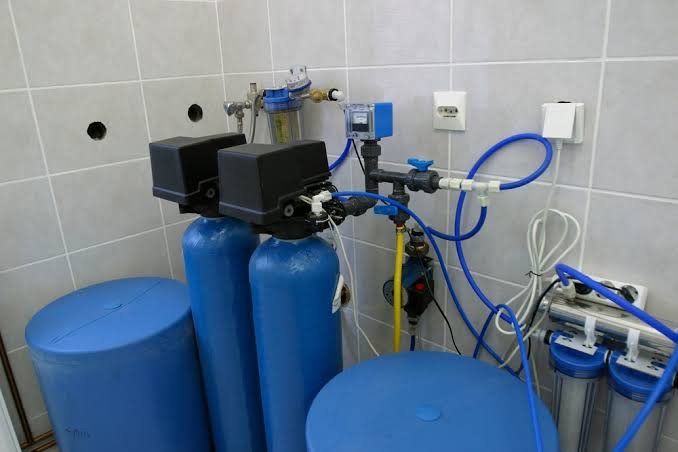
Unlike a countertop filter that serves a single location, centralized filtration equipment is generally installed near the main water supply line.
Properly designed whole-home water filtration systems treat incoming water before it travels through connected household plumbing, allowing multiple fixtures and appliances to benefit from selected improvements.
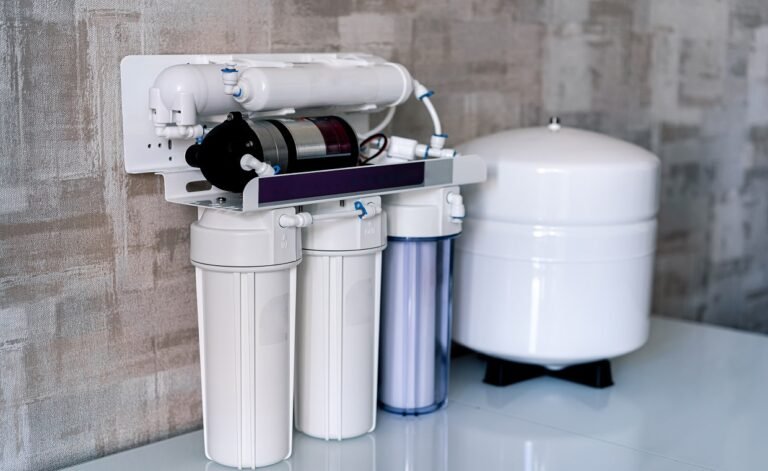
Depending on the water conditions, these installations may contain sediment filters, activated carbon, or specialized treatment media.
Sediment filters capture suspended particles such as sand, dirt, and rust. Activated carbon works differently, helping reduce selected compounds associated with unpleasant tastes and odors.
Additional treatment equipment may be necessary for dissolved minerals, elevated iron concentrations, or particular contaminants.
What’s important is understanding that filtration isn’t a universal solution to every water problem. Each component has a specific purpose, and its effectiveness depends on the equipment’s design and operating conditions.
A straightforward system that addresses your actual concerns can be far more valuable than complicated equipment with unnecessary treatment stages.
Enjoy Better Water in More Than Just Your Kitchen
Think about an ordinary Sunday morning. Someone’s taking a shower, the washing machine is running, and breakfast dishes are being rinsed in the kitchen.
Water is involved in all of it.
Having cleaner water throughout your entire home can offer practical advantages, particularly when appropriate filtration addresses recurring problems such as suspended particles or unpleasant odors.
Depending on your existing water conditions and selected equipment, potential benefits may include:
- Reduced sediment reaching household faucets and fixtures.
- Fewer selected unpleasant tastes and odors.
- Improved water clarity when suspended particles cause cloudiness.
- Reduced particulate accumulation inside appliance inlet screens.
- Convenient access to filtered water at connected household outlets.
There may also be a noticeable improvement in the overall showering experience when unwanted odors are effectively reduced.
However, if your biggest frustration involves chalky mineral deposits or poor soap effectiveness, conventional filtration alone might not be sufficient.
These concerns are often associated with hardness and may require appropriate water softening.
Understanding that distinction can save homeowners from purchasing equipment that doesn’t deliver the improvements they were expecting.
Why Your Home Needs a Treatment Plan of Its Own
Two houses on the same street can experience surprisingly different water quality concerns. Plumbing materials, household consumption, existing treatment equipment, and water sources all influence what comes through the taps.
Investing in a customized filtration system allows homeowners to select treatment components according to their property’s actual conditions rather than relying on a generic equipment package.
For instance, a household using municipal water might primarily want to address disinfectant-related tastes and odors. A property relying on a private well could require treatment for sediment, iron, or other groundwater-related concerns.
These situations call for different solutions.
Professional testing provides useful information about the water and helps determine which treatment methods deserve consideration.
Household size matters as well. A busy family with three bathrooms and frequently operated appliances may require greater filtration capacity than a couple living in a smaller property.
An undersized system could restrict water flow during periods of heavy consumption.
Before installation, discuss peak water demand, incoming pressure, equipment capacity, and available maintenance space with a qualified professional.
Getting these details right makes a difference long after the installation is complete.
Looking After the Appliances You’ve Already Invested In
Replacing a dishwasher or washing machine unexpectedly can be an expensive inconvenience.
While filtration won’t prevent ordinary mechanical wear, reducing suspended particles may help limit accumulation inside sensitive appliance components and inlet screens.
When excessive hardness is also present, combining filtration with suitable softening equipment may help reduce future scale formation inside water heaters.
It’s worth considering these improvements when renovating a property or replacing older appliances.
After all, protecting the equipment you already own is often more practical than repeatedly dealing with preventable maintenance problems.
Keep Water Testing and Maintenance on Your Priority List
Clear water doesn’t necessarily indicate safe water. Certain potentially harmful contaminants can be present without affecting its appearance, taste, or smell.
Municipal water customers can review their utility’s water quality reports, while private well owners should arrange appropriate laboratory testing for bacteria, nitrates, and other relevant contaminants.
Once filtration equipment is installed, follow manufacturer recommendations for cartridge replacements, media servicing, and periodic performance checks.
Pay attention to declining water pressure or returning unpleasant odors. These changes may indicate that your equipment needs attention.
Make Better Water a Natural Part of Your Home
Improving household water quality shouldn’t mean spending money on equipment you don’t need. Begin with reliable testing, understand your priorities, and choose treatment technologies that genuinely suit your home.
Perhaps you’ll appreciate fresher-smelling showers, fewer sediment-related problems, or simply the convenience of centralized filtration.
Good home improvements don’t always have to be visible. Sometimes, the most useful ones are tucked away in a utility room, quietly making ordinary life a little more comfortable.