Water can look perfectly normal and still leave you with questions.
Maybe it has a slightly metallic taste. Perhaps orange or brown stains keep appearing around sinks and toilets. In some homes, tiny particles show up in the water, while others are more concerned about what they can’t see at all.
That’s when water treatment becomes less of a technical subject and more of an everyday concern.
The tricky part is that water problems don’t all have the same cause. A filter that handles visible particles may not address dissolved iron. A system designed to reduce iron isn’t automatically meant to deal with microbiological concerns. And a technology used for disinfection serves a very different purpose from ordinary filtration.
In other words, there is no single magic box that solves every possible water issue.
The best approach usually starts with understanding what is actually happening in the water. Once you know the problem, choosing the right treatment method becomes far less confusing.
Start With the Symptoms, but Don’t Stop There
Homeowners often notice water issues through small changes around the house.
You may see staining in the bathtub. A faucet aerator might collect particles. The water could have an unusual odor, or white, brown, or reddish residue may start appearing where you least want it.
Those signs can provide useful clues, but they don’t always tell the whole story.
For example, discoloration can have different causes depending on the water source and plumbing conditions. Visible particles may come from sediment, corrosion, or other materials. A strange taste doesn’t automatically point to one specific problem either.
That’s why testing or a professional evaluation can be such an important first step.
Guessing can lead homeowners to buy equipment that doesn’t actually address the issue. A system might be excellent at doing one job while being completely unsuitable for another.
Understanding your water first can save money and frustration later. It also makes conversations with water treatment professionals much more productive.
When Small Particles Become a Bigger Annoyance
Sediment is one of the more noticeable water concerns because, well, sometimes you can actually see it.
Tiny particles may affect the appearance of water or collect in fixtures and plumbing components. Over time, certain particles can also create maintenance concerns for equipment located farther down the treatment line.
That’s where Sediment filters can play an important role.
These filters are designed to capture particles based on the specific filter type and micron rating. Different applications may require different levels of filtration, so selecting the right option matters.
A filter that is too coarse may allow smaller particles to pass through. One that is unnecessarily restrictive could affect water flow or require more frequent maintenance, depending on the household and incoming water conditions.
There is a practical side to all of this.
Sediment treatment can sometimes serve as a first stage before other water treatment equipment. By reducing particles before water reaches additional components, it may help protect other equipment from unnecessary buildup.
But maintenance still matters. Filters don’t work forever without attention. Eventually, many will need to be inspected or replaced according to their intended service schedule.
It’s not glamorous work, but neither is cleaning a clogged faucet aerator every other week.
Iron Can Leave Its Mark All Over the House
Iron in water can be particularly frustrating because its effects are often visible long before homeowners understand the cause.
Orange, reddish, or brown staining may appear in sinks, toilets, showers, and laundry. Depending on the type and amount of iron present, water may also develop an unpleasant metallic quality.
Nobody wants to scrub the same orange stain over and over again.
For homes with confirmed iron concerns, Iron removal systems may be designed to reduce iron through treatment methods suited to the specific form and concentration present in the water.
The details matter here.
Iron isn’t always present in exactly the same way. Water chemistry, pH, and other characteristics can influence which treatment approach is appropriate. That’s one reason testing should come before buying a system based solely on a photograph of rusty-looking water.
A properly selected system may help reduce staining and improve the overall water experience. It may also reduce the amount of cleaning required around fixtures where iron-related discoloration repeatedly appears.
Still, no treatment equipment should be selected based on assumptions. A professional recommendation should be connected to actual water conditions and the household’s daily water usage.
Disinfection Addresses a Different Concern
Some water treatment issues are visible. Others aren’t.
Microbiological concerns fall into that second category, which is why testing and appropriate professional guidance are especially important. You can’t reliably determine microbiological water quality just by looking at a glass.
In situations where disinfection is recommended, UV disinfection systems may be used to inactivate certain microorganisms as water passes through the treatment chamber, depending on the system design and operating conditions.
Ultraviolet treatment is different from ordinary filtration.
A UV system is not simply a replacement for every other type of water treatment. Its effectiveness can depend on factors such as proper sizing, lamp condition, water flow, and water clarity. If particles or other characteristics interfere with UV transmission, pretreatment may be needed.
That’s why a treatment system often works as part of a larger process rather than as an isolated piece of equipment.
For example, removing particles before the water reaches a UV chamber may help create conditions that allow the system to perform as intended.
The sequence matters.
One Water Problem Can Lead to a Combination of Solutions
Real-world water isn’t always neat and simple.
A household could have sediment and iron at the same time. Another property may require particulate filtration before a disinfection system. Some homes may also have hardness or taste concerns in addition to everything else.
This is where a customized approach can make more sense than buying a generic all-purpose product.
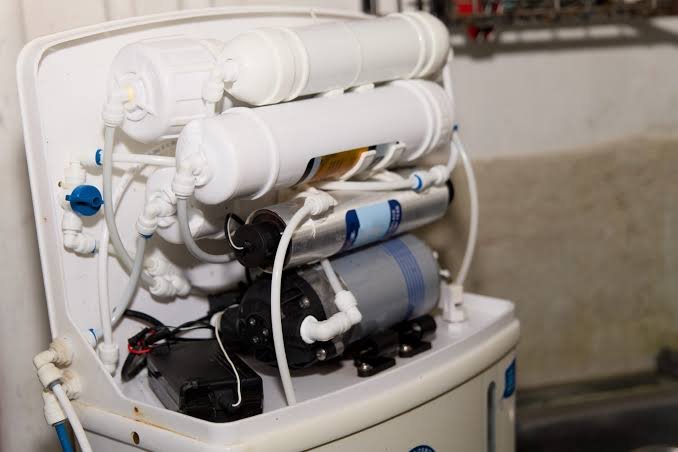
A treatment setup might involve more than one stage, with each piece of equipment handling a specific concern. The goal isn’t to install as much equipment as possible. It’s to create a sensible system where each component has a reason to be there.
Think of it like a toolbox.
You wouldn’t use a hammer for every repair in the house. A good water treatment system works the same way. Different tools are used for different problems.
Household Water Usage Still Matters
Knowing what is in your water is important, but understanding how your home uses water matters too.
A family of six with multiple bathrooms has very different needs from a couple living in a small home. Morning showers, laundry, dishwashing, and guests can all create periods of high demand.
Treatment equipment should be selected with these patterns in mind.
Flow rate, capacity, installation space, plumbing configuration, and maintenance access can all affect whether a particular system is practical. An undersized system may struggle to keep up, while an oversized setup may add unnecessary expense.
This is why the cheapest option isn’t always the best value.
The right system is one that fits the water conditions and the household using it.
Maintenance Is Part of the Deal
Water treatment equipment works best when it receives the care it requires.
Filters may need replacement. Certain treatment media may require servicing or regeneration. UV lamps and related components have recommended maintenance schedules.
Before installing anything, it’s worth asking a few straightforward questions.
How often does this system need attention? What supplies or replacement parts will be required? Can routine maintenance be handled easily? Is professional service available if something goes wrong?
These details may seem boring during the shopping stage, but they become important later.
A treatment system that looks impressive on installation day isn’t very useful if maintaining it becomes a constant headache.
Better Water Starts With Better Information
Water treatment can sound complicated because there are so many technologies available. But the basic idea is fairly straightforward.
Identify the problem. Test the water when appropriate. Understand what each treatment method is designed to do. Then choose equipment that matches the actual conditions in your home.
Sediment, iron, and microbiological concerns are different issues, and they may require different solutions. Sometimes one targeted system is enough. Sometimes a combination of properly selected treatment stages makes more sense.
The important thing is avoiding guesswork.
Don’t choose equipment simply because it has the longest list of features or because someone online said it worked perfectly for them. Your water has its own characteristics, and your household has its own needs.
When the right treatment system is in place, the result is often refreshingly uneventful.
The water flows. Fixtures stay easier to maintain. Staining becomes less of a daily battle. Treatment equipment quietly does its job in the background.
And honestly, that’s usually the goal.