Water can look perfectly clear and still leave you wondering. Maybe it tastes a bit like a swimming pool. Maybe your shower glass is cloudy again two days after cleaning. Maybe the kettle has white flakes, or your laundry feels strangely stiff. None of these things automatically mean your water is unsafe, but they do mean it’s trying to tell you something.
The problem is, most water issues are hard to identify just by looking. A glass of water doesn’t come with labels. You can’t always see minerals, chlorine, dissolved metals, bacteria, or other unwanted substances. That’s why testing matters. It turns guesswork into information, and information makes choosing the right solution much easier.
When Hard Water Leaves Clues
Hard water is one of the most common household water problems. It contains minerals like calcium and magnesium, which can leave chalky buildup on faucets, showerheads, dishes, and appliances. Soap may not lather well. Skin may feel dry after showering. Clothes may come out of the wash feeling less soft than they should.
Proper hard water detection helps confirm whether mineral hardness is really the issue. This matters because hard water is often confused with other problems. Cloudy glasses may come from hardness, but they can also be caused by poor dishwasher performance or detergent residue. A test gives you a clearer answer before you spend money on equipment.
Why Chlorine Taste Shouldn’t Be Ignored
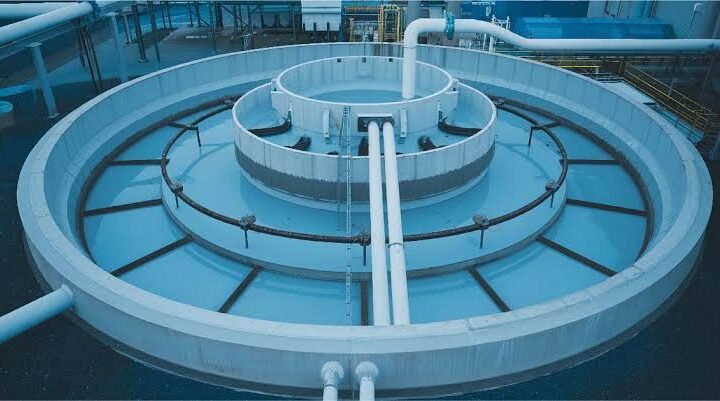
Municipal water is commonly treated before it reaches homes and businesses, and chlorine is often part of that process. It helps disinfect water, but it can also affect taste and smell. Some people barely notice it. Others can taste it immediately, especially in coffee, tea, ice, or plain drinking water.
That’s where chlorine testing becomes useful. It can show whether the chlorine level is contributing to unpleasant taste or odour. If it is, a carbon filtration system may help improve the drinking experience and make tap water feel fresher. For restaurants, cafés, and offices, this can be more important than people realise. Bad-tasting water doesn’t exactly help the coffee.
Looking Beyond the Obvious
Not every water concern has a smell, stain, or visible clue. Some contaminants are invisible, and others only appear under certain conditions. Iron may show up as orange staining. Manganese can leave darker marks. Low pH may contribute to corrosion. Sediment may clog fixtures. Well water may carry bacteria or sulphur odours.
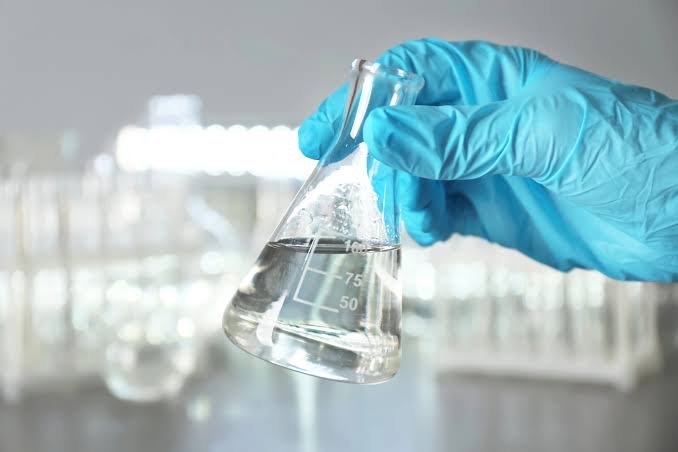
Professional contaminant identification helps pinpoint what is actually present in the water. This can include minerals, metals, sediment, pH imbalance, total dissolved solids, bacteria, or other site-specific concerns. Once you know the exact issue, treatment becomes more targeted and effective.
Home Testing vs Professional Testing
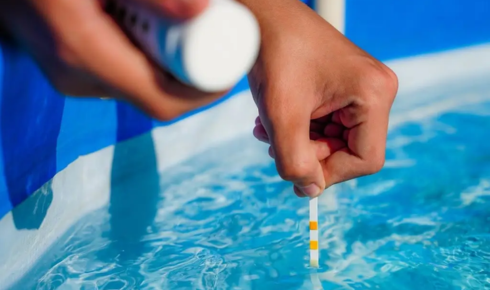
Store-bought test strips can give a quick snapshot of common issues like hardness, chlorine, or pH. They’re useful as a starting point. But they are not always detailed enough for bigger decisions, especially if you’re dealing with well water, staining, odours, or health-related concerns.
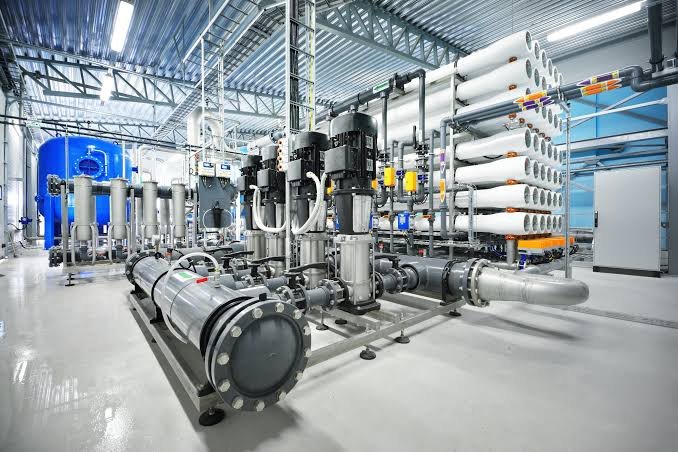
Professional testing is more thorough. It can measure specific levels and help match the right system to your home or business. That matters because the wrong solution can waste money. A softener won’t remove every taste issue. A simple filter may not fix hardness. Reverse osmosis may be excellent for drinking water, but it won’t treat every tap in the house unless paired with other systems.
Testing Helps Avoid Overspending
One of the best reasons to test water is that it prevents overbuying. Without test results, it’s easy to assume the most expensive system must be the best. But water treatment doesn’t work that way. The best system is the one that solves the actual problem.
A home with high hardness may need softening. A home with chlorine taste may need carbon filtration. A well with iron may need oxidation and filtration. A business with equipment sensitivity may need a more customised setup. Testing keeps the solution practical.
Water Can Change Over Time
Even if your water seemed fine a few years ago, conditions can shift. Municipal pipe work, seasonal changes, plumbing age, water heater condition, and well changes can all affect quality. If new stains, smells, tastes, or pressure issues appear, it may be time to test again.
For private wells, routine testing is especially important. Wells are affected by local geology, rainfall, nearby land use, and system maintenance. A once-clear supply can develop issues later.
The Right Answer Starts with a Sample
Clean water should not feel like a mystery. You shouldn’t have to guess why your fixtures stain, why coffee tastes odd, or why soap doesn’t rinse properly. Testing gives you a starting point.
Once you understand what’s in your water, the next step becomes much simpler. Maybe you need a softener. Maybe filtration. Maybe reverse osmosis for drinking water. Maybe just a minor adjustment. Either way, water testing gives you confidence instead of confusion, and that’s a pretty good place to begin.