Why the Small Details Matter More Than You Think
Most people imagine a home transformation beginning with major renovations. New flooring, fresh paint, custom cabinetry, or knocking down walls usually steal the spotlight. Those upgrades certainly make an impact, but there’s another stage of design that quietly brings everything together.
It’s the finishing touches.
These are the details people often leave until the very end, almost as an afterthought. Yet they’re the very things that add warmth, personality, and balance to a room. Without them, even the most expensive renovation can feel unfinished, almost like a beautifully wrapped gift without anything inside.
The homes that leave a lasting impression aren’t necessarily the biggest or the most luxurious. They’re the ones where every element feels intentional, creating spaces that invite people to settle in, relax, and stay awhile.
Creating a Home That Feels Lived In
Walk into a newly completed house before the furniture arrives, and you’ll probably notice how empty it feels. The walls echo. The rooms seem larger than expected. Everything is technically complete, yet the home hasn’t quite found its character.
That changes gradually.
Family photographs appear on shelves. Favourite books find their place. Soft textiles replace hard surfaces. Plants add life. Curtains soften sunlight. Before long, the house begins telling the story of the people who live there.
Interior design isn’t about perfection. In fact, the most welcoming homes usually have little imperfections that make them feel authentic. A slightly worn reading chair, handmade pottery collected while travelling, or artwork created by children often brings more personality than expensive decorative pieces ever could.
Real homes should reflect real lives.
Layers Create Comfort
One of the biggest differences between professionally designed interiors and rooms that feel incomplete is layering.
Rather than relying on one dramatic feature, designers gradually build depth using texture, colour, lighting, and carefully selected materials. Wood balances metal. Soft fabrics complement stone. Natural fibres introduce warmth against sleek finishes.
This layered approach creates rooms that feel inviting instead of flat.
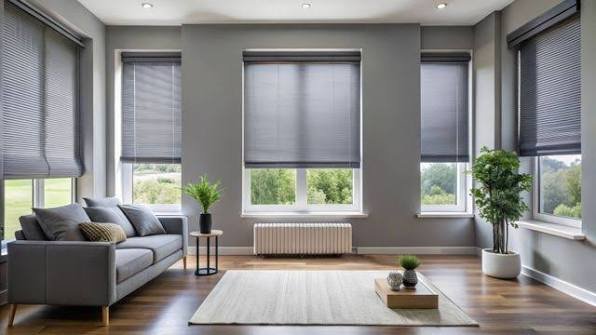
A particularly important part of that process involves window treatments and rugs. Curtains soften natural light, improve privacy, and add visual height to a room, while rugs help define spaces, reduce noise, and introduce texture underfoot. Together, they make open areas feel warmer and far more comfortable without overwhelming the design.
It’s remarkable how much difference these seemingly simple additions can make.
Lighting Shapes the Mood
People often underestimate lighting until they experience a room that’s thoughtfully illuminated.
Bright ceiling fixtures alone rarely create a welcoming atmosphere. Instead, the most comfortable interiors combine different sources of light throughout the space. Floor lamps create cosy reading corners. Wall sconces add subtle warmth. Pendant lighting highlights gathering spaces, while table lamps bring gentle evening ambience.
During the day, sunlight naturally changes every room. At night, lighting takes over that responsibility.
Adding decorative lighting and accessories allows homeowners to create different moods depending on the occasion. A quiet evening with family feels different from hosting friends for dinner, and layered lighting makes both experiences more enjoyable.
Accessories play an equally important role. Mirrors reflect light, artwork adds personality, ceramics introduce texture, and carefully selected decorative pieces give rooms a sense of completion without creating clutter.
The goal isn’t to fill every empty surface. It’s to choose meaningful details that quietly support the overall design.
Colour Is Only Part of the Story
Many people spend weeks deciding on paint colours, believing they’re the biggest design decision they’ll make.
Surprisingly, colour alone rarely determines whether a room feels harmonious.
Texture, material choice, and finish often have an even greater impact. Smooth stone beside natural timber creates contrast. Matte finishes feel calm, while polished surfaces reflect energy. Linen, leather, wool, velvet, and woven fibres each contribute their own personality.
Achieving successful fabric and finish coordination requires balancing these different materials rather than matching everything perfectly. Soft furnishings should complement flooring. Upholstery should work naturally alongside cabinetry. Metal finishes don’t always need to be identical, but they should feel connected.
When materials speak the same visual language, rooms feel effortlessly cohesive without appearing overly planned.
Decorating with Intention Instead of Filling Space
There’s a temptation, especially after completing a renovation, to decorate every corner immediately.
Empty shelves suddenly seem like problems waiting to be solved.
But interesting interiors rarely come together overnight.
Some of the most beautiful homes evolve slowly over several years. Owners collect artwork while travelling, discover vintage furniture at local markets, inherit meaningful family pieces, or gradually replace temporary items with higher-quality alternatives.
That slower process often creates far richer spaces because every object has a story attached to it.
Instead of purchasing decorations simply to fill empty areas, allow your home to grow naturally. Leave room for discoveries, unexpected finds, and meaningful additions over time.
The result feels far more personal than copying a catalogue page.
Comfort Always Wins
It’s easy to become distracted by trends.
One season promotes bold colours. The next celebrates minimalism. Then textured walls become popular before giving way to something entirely different. While trends can certainly inspire fresh ideas, comfort almost always outlasts fashion.
Ask homeowners about their favourite spaces a few years after moving in, and they’ll rarely mention the trendiest feature.
They usually talk about the chair where they drink coffee every morning. The cosy rug where children play. The warm lighting that makes evenings feel peaceful. The curtains that perfectly frame a favourite view.
Those are emotional connections, not design trends.
And that’s exactly what lasting interiors should create.
A Home Should Reflect the People Who Live There
No two families use their homes exactly the same way.
Some homes revolve around lively dinner parties and entertaining guests. Others become peaceful retreats after demanding workdays. Some celebrate creativity with music rooms and art studios, while others prioritise quiet reading corners and comfortable family spaces.
The beauty of interior design lies in recognising those differences rather than forcing every home to follow the same formula.
The finishing touches—whether carefully chosen textiles, thoughtfully layered lighting, meaningful accessories, or coordinated materials—help express that individuality in subtle but powerful ways.
At the end of the day, beautiful interiors aren’t created simply by following design rules or purchasing expensive décor.
They’re built through patience, thoughtful decisions, and an understanding that homes are meant to be lived in, not merely admired.
Years from now, visitors probably won’t remember the exact shade of paint on your walls or where every accessory was placed. They’ll remember how relaxed they felt, how welcoming the rooms seemed, and how naturally everything came together.
That’s the quiet magic of thoughtful interior design. It isn’t loud or flashy—it simply makes everyday life feel a little more beautiful.
