There’s something quietly powerful about water. It’s part of everything—your morning coffee, your evening shower, the meals you cook without thinking twice. It flows in the background of your life, steady and dependable.
Until one day, it isn’t.
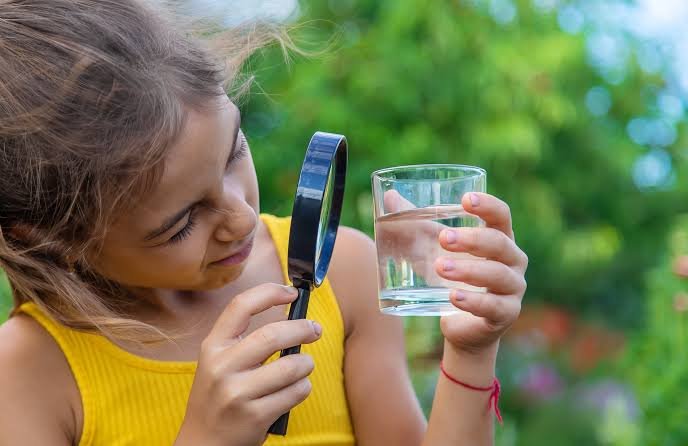
Maybe it’s a taste that feels a little off. Maybe it’s the way your glassware never quite looks clean anymore. Or maybe it’s just a thought that pops up out of nowhere: is this water actually as good as it could be?
It’s not panic. It’s awareness. And once that awareness shows up, it tends to stay.
When You Start Noticing the Small Things
Water doesn’t usually scream for attention. It nudges.
A faint smell when you turn on the tap. A chalky residue on your kettle. Soap that doesn’t lather the way it should. These are the kinds of details you can ignore for a while—but they don’t disappear.
Over time, they add up.
That’s when people often begin looking into water filtration systems. Not because something is obviously broken, but because they’re looking for a smoother, more consistent experience.
And even a simple system can make a noticeable difference—removing sediments, reducing taste issues, and bringing water closer to what we expect it to be.
Understanding What’s Behind the Experience
Water isn’t just water. It carries everything it encounters along the way—minerals from the ground, treatment chemicals from processing, and sometimes trace elements from pipes or storage systems.
Most of it is harmless. Much of it is regulated. But that doesn’t mean it’s ideal for everyday use.
This is where the idea of improvement—not just safety—comes into play.
People don’t always want perfect water. They want better water. Water that feels right without requiring a second thought.
Going Beyond the Basics
At some point, curiosity leads to deeper questions. You’ve noticed the small things, maybe tried a basic filter, and now you’re wondering what else is possible.
That’s when water treatment systems come into the conversation.
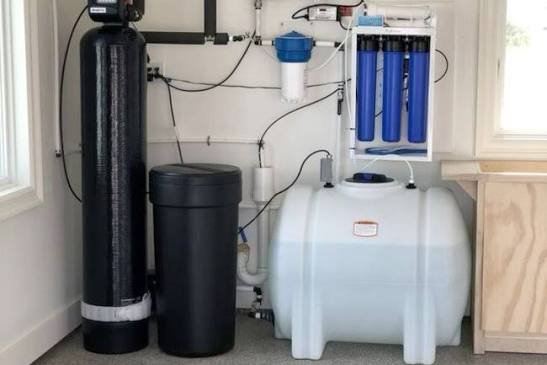
These systems go beyond simple filtration. They’re designed to address specific issues—hardness, chemical presence, even microscopic impurities. It sounds complex, but the goal is straightforward: improve how water behaves throughout your home.
And for many people, that shift—from treating one tap to improving the entire system—makes a real difference.
The Role of Targeted Filtration
Not every water issue needs a broad solution. Sometimes, it’s about addressing a specific concern.
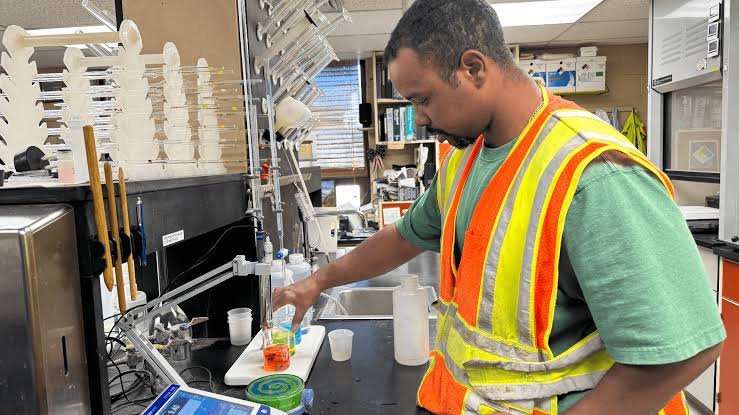
That’s where contaminant filtration becomes relevant. Instead of trying to fix everything at once, you focus on what actually matters in your situation.
Maybe it’s reducing chlorine for better taste. Maybe it’s removing sediment that affects clarity. Or maybe it’s addressing something more specific that’s unique to your water source.
The key is precision. Solving the right problem, rather than chasing every possible one.
The Changes You Don’t Expect
One of the most interesting things about improving water is how subtle the results can feel.
You might notice your coffee tastes better. Your dishes come out clearer. Your appliances seem to run more smoothly. Small things, scattered across your day.
And then something else happens—you stop thinking about your water.
No hesitation. No second-guessing. Just routine, the way it’s supposed to be.
Why We Tend to Live With “Good Enough”
If better water can improve so many aspects of daily life, why do we often wait?
Because it doesn’t feel urgent.
Water issues rarely disrupt your day in obvious ways. They sit quietly in the background, easy to adapt to. You get used to them, even if they’re not ideal.
And over time, “good enough” becomes normal.
But sometimes, normal isn’t the same as optimal.
A More Practical Way to Approach It
You don’t need to overhaul your entire home overnight. You don’t need the most advanced system available. But paying a little more attention to your water—just a little—can lead to meaningful improvements.
Start with what you notice. Taste, smell, buildup. Then explore options that address those specific concerns.
From there, everything becomes easier to understand.
It’s not about perfection. It’s about comfort.
Ending With a Simple Thought
Water is one of those things we rely on without really thinking about it. It’s part of the background, part of the everyday.
But every now and then, it’s worth bringing it into focus.
Not because something is wrong—but because there might be a better way to experience something you use constantly.
And sometimes, that better experience begins with something as simple as paying attention to what’s already there.