There’s a particular kind of stillness before a storm. The air feels heavier, the sky shifts just a little, and you can almost sense something building.
If you’ve lived through enough seasons, you recognize it. That quiet pause before everything changes.
And while we can’t control the weather, we can control how ready we are for it.
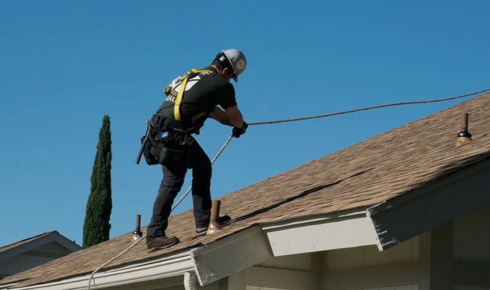
The Roof: Where Preparation Really Begins
If your home had a front line, it would be your roof.
It takes the first hit—rain, wind, debris, everything. And most of the time, it handles it without drawing attention. But when it’s not in good shape, even a moderate storm can expose weaknesses.
That’s why roof storm preparation matters more than most people think. It doesn’t mean climbing up and inspecting every inch. Sometimes, it’s as simple as looking for missing shingles, checking for visible wear, or making sure nothing seems out of place.
If something looks off, it probably is.
And catching it early can save you from dealing with bigger issues later.
Looking Beyond the Roof
Storm preparation isn’t just about what’s above your head. It’s about everything around your home.
Walk outside and take a look. Loose branches, outdoor furniture, anything that could move in strong winds—these are the things that often cause damage during storms.
A quick check, a bit of rearranging, maybe tying down a few things—it doesn’t take much effort, but it can make a big difference.
This is where home storm preparation becomes practical. It’s not about doing everything perfectly. It’s about reducing the obvious risks.
The Small Details Inside Your Home
Preparation continues indoors, even if it doesn’t feel like it.
Keep a flashlight where you can find it easily. Make sure your phone is charged before the weather turns. Know where your important items are, just in case you need quick access.
These steps might seem small, almost unnecessary. But in the middle of a storm, they can make things feel a lot more manageable.
It’s not about expecting something to go wrong. It’s about being ready if it does.
Understanding What Storms Actually Do
Not all storm damage is dramatic.
Sometimes it’s a missing shingle. Sometimes it’s water finding its way into a small crack. Other times, it’s debris causing minor damage that isn’t immediately visible.
Storms test your home in ways you don’t always see right away.
That’s why preparation isn’t just about preventing big problems—it’s about minimizing the smaller ones that tend to grow over time.
Why We Often Wait Until It’s Too Late
There’s a natural tendency to delay preparation. When the sky is clear, it’s easy to think there’s no rush.
You tell yourself you’ll get to it later. Maybe tomorrow. Maybe before the next storm.
But storms don’t always follow your schedule.
And when they arrive unexpectedly, you’re left reacting instead of preparing.
What a Storm-Ready Home Feels Like
There’s a noticeable difference when you’ve taken the time to prepare.
You don’t watch the weather forecast with the same level of worry. You don’t feel the need to check every sound during the storm.
Instead, you sit back, aware of what’s happening but not overwhelmed by it.
That’s the feeling of a storm ready home. Not perfect, not invincible—but prepared enough to handle what comes.
A Practical Approach to Staying Ready
You don’t need a long checklist. You don’t need to overthink every detail.
Start with the basics.
Check your roof from the ground. Secure anything that could move outside. Make sure you have a few essentials ready inside.
These simple steps create a foundation. And that foundation is often enough.
Preparation doesn’t have to be complicated to be effective.
The Calm That Comes From Preparation
There’s something reassuring about knowing you’ve done what you can.
You can’t control the storm, but you can control how ready you are for it. And that sense of readiness changes how you experience everything.
Instead of reacting to every change, you stay steady. You trust that your home can handle what’s coming.
And that trust? It makes a difference.
Ending With a Simple Thought
Storms are part of life. They come, they pass, and things settle again.
But how your home handles them depends on what you do before they arrive.
So when the weather is calm and everything feels still, take a moment to prepare.
Not because you expect the worst—but because being ready makes everything feel just a little more manageable when the winds finally pick up.