
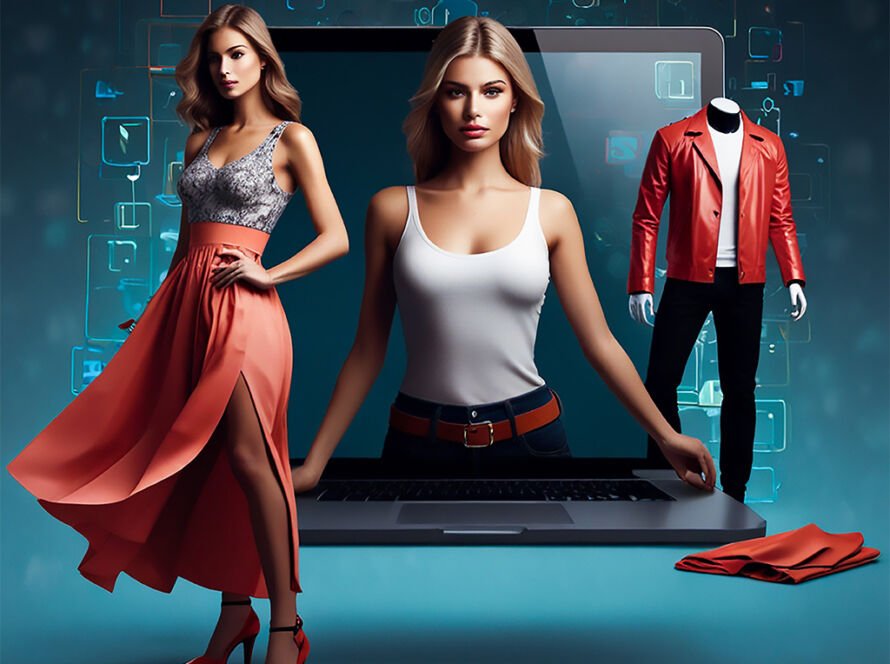

There was a time when “what are you wearing?” meant something tangible—fabric, stitching, a label tucked somewhere inside. Now, the answer could just as easily live on a screen. An outfit designed purely for a photo, a video, or an avatar. No closet required.
At first glance, digital fashion feels like a novelty. A passing experiment, maybe even a gimmick. But spend a little time observing how people express themselves online, and you’ll notice something shifting. Style isn’t confined to the physical world anymore—and honestly, it hasn’t been for a while.
When Clothes Become Content
Think about how often outfits today are chosen not just for comfort or occasion, but for how they’ll look on camera. Instagram, TikTok, even LinkedIn—visual identity matters everywhere.
Digital fashion taps directly into that behavior.
Instead of buying a new outfit for a shoot, someone can “wear” a virtual piece—something that exists only in pixels but looks strikingly real. No laundry, no storage, no waste. Just an image that captures attention.
It’s a strange idea at first, I know. But then again, so was buying filters for photos once.
The Appeal of Limitless Creativity
One of the most fascinating things about virtual clothing is the lack of constraints. Designers aren’t bound by fabric, gravity, or practicality.
You can have a jacket made of liquid metal. A dress that glows like neon. Shoes that defy physics entirely.
And people are drawn to that freedom. It’s not just about looking good—it’s about experimenting with identity in ways that the physical world doesn’t always allow.
That’s where the idea of Digital Fashion (Virtual Clothing) ka real-world impact starts to feel more meaningful. It’s not just about aesthetics; it’s about expanding how we define self-expression.
Sustainability—More Than Just a Buzzword
Let’s be honest, the fashion industry has a complicated relationship with sustainability. Fast fashion, overproduction, waste—it’s all part of the conversation now.
Digital fashion offers an interesting alternative.
If someone can satisfy their desire for new looks through virtual clothing, even occasionally, that could reduce the demand for physical garments. Fewer impulse purchases, less waste, lower environmental impact.
Of course, it’s not a complete solution. But it’s a step, and sometimes steps matter.
The Business Side of Virtual Style
There’s money here too. Real money.
Brands are already experimenting with digital collections. Limited-edition virtual outfits, NFT-based fashion pieces, collaborations with gaming platforms. It’s a whole new revenue stream.
And for creators, it opens doors. You don’t need a factory to start a fashion line anymore. A laptop, some design skills, and a platform—that’s enough to begin.
It’s democratizing, in a way. Lower barriers, more voices.
Where It Meets the Real World
Here’s where things get interesting.
Digital fashion isn’t replacing physical clothing—it’s blending with it.
People might wear a simple outfit in real life and enhance it digitally for social media. Or they might own a physical piece that comes with a virtual version for their online presence.
This overlap is subtle but powerful. It changes how we think about ownership, value, even identity.
Digital Fashion (Virtual Clothing) ka real-world impact
If you look beyond the surface, the impact is already visible.
Influencers are experimenting with virtual wardrobes. Brands are testing digital-first launches before producing physical versions. Even everyday users are exploring apps that let them try on clothes digitally.
And then there’s gaming and the metaverse—spaces where digital clothing is often more important than real-world fashion. People spend on skins and outfits for avatars the same way they would on real clothes.
It’s not just a niche anymore. It’s becoming part of a broader cultural shift.
The Skepticism Isn’t Going Away
Of course, not everyone is convinced.
Some people see digital fashion as unnecessary, even absurd. Why spend money on something you can’t physically wear? It’s a fair question.
But then again, we already spend on things that exist purely in experience—movies, music, digital art. Value isn’t always tied to tangibility.
Still, adoption will take time. Habits don’t change overnight.
A Different Kind of Wardrobe
Imagine a future where your wardrobe isn’t just a physical space but a digital library too. Where you can switch styles instantly, experiment without limits, and express yourself across different platforms seamlessly.
It sounds futuristic, but pieces of it are already here.
And like most things, it’ll probably evolve in ways we don’t fully expect.
Final Thoughts
Digital fashion isn’t trying to replace what we wear—it’s redefining why we wear it.
It adds a layer to self-expression, one that’s fluid, creative, and sometimes a little surreal. Not everyone will embrace it, and that’s okay. But it’s hard to ignore the direction things are moving in.
Because at its core, fashion has always been about storytelling. And now, some of those stories are being told in pixels instead of fabric.
And somehow, that feels perfectly in tune with the times