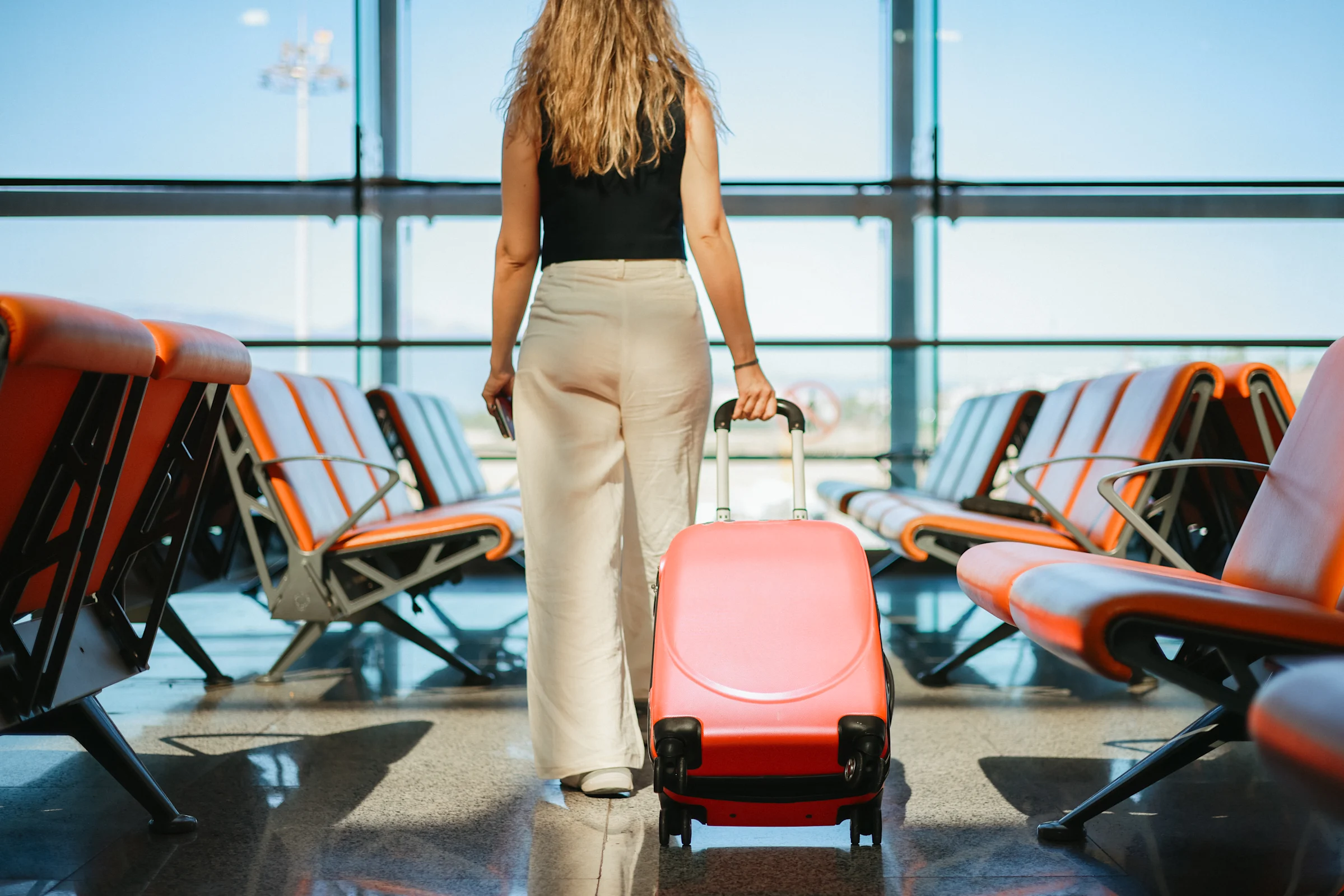
There was a time when travel meant escape. You’d wait for holidays, book tickets weeks in advance, and mentally disconnect the moment you boarded a train or flight. Work stayed behind—at least, that was the idea.
Now, things feel… blurred.
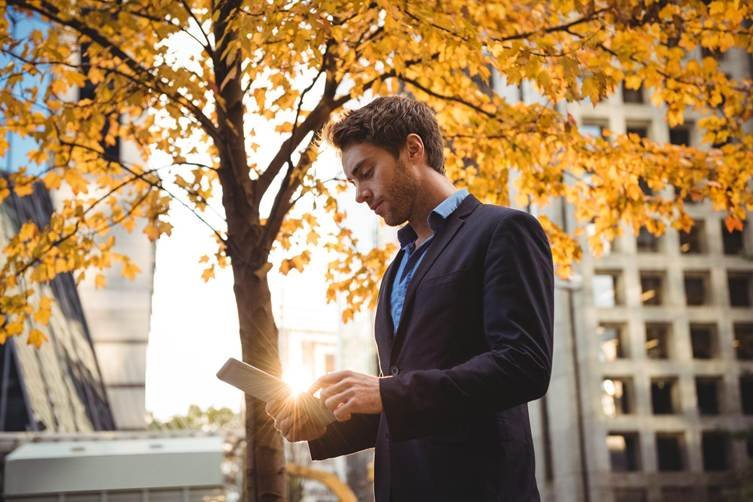
You’ll find people answering emails from beach cafés, attending meetings with mountain views in the background, or stretching a “weekend trip” into something that quietly lasts a month. Work hasn’t disappeared—it’s just learned to travel.
The Shift from Vacations to Living Experiences
Traditional tourism was built around short bursts. A few days here, maybe a week there. Tight itineraries, packed schedules, ticking off landmarks like a checklist.
But when work becomes portable, that urgency fades.
People don’t just visit a place anymore—they stay. They settle into routines. They discover local grocery stores, favorite cafés, walking routes. Travel starts to feel less like a break and more like a temporary way of living.
It’s slower. Less rushed. And often, more meaningful.
Why “Anywhere” Started to Feel Possible
A big part of this shift comes down to technology.
Reliable internet, collaboration tools, cloud-based workflows—these things quietly removed the need to be physically present in an office. Once that barrier disappeared, the question naturally followed: if I can work from home… why not somewhere else?
And for many, “somewhere else” sounded far more appealing.
That’s where the conversation around Work-from-anywhere culture ka tourism par impact begins to make sense. It’s not just about travel increasing—it’s about the nature of travel changing entirely.
Destinations Are Adapting—Quickly
Interestingly, it’s not just travelers who are evolving. Destinations are catching on too.
Cities and towns that once focused purely on short-term tourists are now positioning themselves for long-stay visitors. Co-working spaces are popping up in places that didn’t have them before. Cafés advertise strong Wi-Fi as proudly as they do their coffee.
Some countries have even introduced digital nomad visas, encouraging remote workers to stay longer and contribute to the local economy.
It’s a subtle shift, but an important one. Tourism is no longer just about footfall—it’s about duration.
Work-from-anywhere culture ka tourism par impact
If you look closely, the impact goes beyond individual travelers.
Local economies are seeing a different kind of engagement. Instead of quick spending bursts, there’s a steadier flow. People renting apartments for weeks or months, using local services, becoming part of the everyday rhythm.
But there’s also complexity.
In some places, the influx of remote workers has driven up rental prices, making it harder for locals to afford housing. Popular destinations can feel crowded not just during peak seasons, but year-round.
So while the economic benefits are real, they come with trade-offs.
The New Kind of Traveler
Work-from-anywhere has also changed what people look for in a destination.
It’s no longer just about attractions. Practical things matter more now:
- Reliable internet connectivity
- Comfortable living spaces
- Access to basic amenities
- A sense of safety and community
A place might be stunning, but if the Wi-Fi drops during a meeting, it quickly loses its charm.
This shift has created a new category of traveler—part tourist, part temporary resident.
Blurring Work and Leisure
There’s something both exciting and slightly confusing about mixing work with travel.
On one hand, it offers freedom. You’re not waiting for weekends or holidays to explore. You can take a midday break and walk through a new city, then return to your laptop later.
On the other hand, it can be hard to switch off.
When your workspace is also your living space—and your travel space—the boundaries blur. You might find yourself working odd hours, or feeling like you’re never fully “on vacation.”
It’s a balance people are still figuring out.
Not Everyone Is Doing It the Same Way
It’s worth noting that work-from-anywhere doesn’t look identical for everyone.
Some people move frequently, hopping from one destination to another. Others pick a place and stay for months, building a routine.
Some travel internationally, while others explore within their own country.
There’s no single template—and maybe that’s part of the appeal.
A Different Kind of Connection
One of the quieter changes this trend brings is how people connect with places.
Short trips often focus on highlights. Long stays reveal the in-between moments—the ordinary, everyday life that makes a place feel real.
You notice things you’d otherwise miss. The rhythm of mornings, the way locals interact, the small details that don’t show up in travel guides.
It’s a deeper kind of engagement. Not always dramatic, but often more lasting.
Final Thoughts
The work-from-anywhere culture hasn’t just added flexibility to work—it’s reshaped how we think about travel.
It’s turned tourism into something more fluid, less defined by time limits and more by personal choice. It’s created opportunities, but also new challenges.
And maybe that’s the point.
We’re still in the middle of figuring it out—what works, what doesn’t, how to balance freedom with responsibility.
But one thing is clear: travel is no longer just about where you go.
It’s about how you live while you’re there.