There’s a funny thing about home water systems. When they’re working well, nobody talks about them. The water tastes clean, the shower feels normal, the dishes come out clear, and life just moves along. But the moment something feels off — a strange taste, cloudy glassware, dry skin, weak water pressure — suddenly the system hidden in the utility room becomes very important.
Most homeowners don’t ignore maintenance on purpose. It’s just easy to forget. Water filters sit under sinks. Softeners hum quietly in basements, garages, or closets. Whole-home systems are often tucked away where nobody sees them during the week. Out of sight, out of mind, as the saying goes.
But water treatment equipment needs care. Not constant attention, not complicated daily work, but basic upkeep. A well-maintained system can protect water quality, improve performance, and help avoid those annoying surprises that always seem to show up at the worst possible time.
Why Maintenance Matters More Than It Seems
Water treatment systems deal with real work every day. They handle sediment, minerals, chlorine, dissolved solids, odors, or other unwanted elements depending on the setup. Over time, filters collect particles, softeners use salt, valves cycle, and membranes or cartridges gradually lose efficiency.
That’s normal. These parts are designed to wear down as they do their job. The problem begins when they are left too long. A clogged filter can reduce water pressure. An exhausted cartridge may stop improving taste. A neglected softener may let hard water pass through again, bringing back scale spots and stiff laundry.
A system that once worked beautifully can slowly become less effective, and because the change happens gradually, homeowners may not notice right away.
The Simple Importance of Changing Filters
Filters are often the first line of defense in a water treatment system. They may catch sediment, reduce chlorine taste, improve odor, or protect more sensitive equipment installed after them. But a filter can only hold so much.
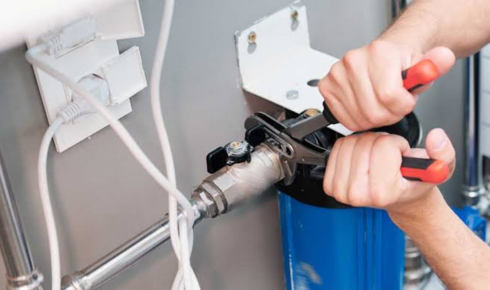
That’s why timely filter replacement is one of the easiest and most important maintenance steps a homeowner can take. Waiting too long can make the system work harder and may reduce water quality at the tap.
The schedule depends on the type of filter, the amount of water used, and the condition of the water coming into the home. A busy family may need changes more often than a smaller household. Well water with sediment may load a filter faster than clear municipal water. Manufacturer guidelines are helpful, but real-life use matters too.
A good habit is to write the replacement date on the filter housing or set a phone reminder. It sounds almost too simple, but it works.
Don’t Let the Water Softener Take Care of Itself
Water softeners are wonderful when they’re working properly. They help reduce hardness minerals that cause scale, spots, and that rough feeling in laundry or on skin. But softeners are not magic boxes. They need salt, correct settings, and occasional checks.
Good water softener maintenance usually includes checking salt levels, breaking up salt bridges if they form, making sure the brine tank is clean, and confirming the system is regenerating as it should. If the home suddenly starts seeing white buildup again, or soap stops lathering well, the softener may need attention.
Salt type also matters. Using the wrong product or letting the tank run empty can affect performance. Some systems also benefit from periodic cleaning, especially in areas with iron or other challenging water conditions.
The nice thing is, most softener care is not difficult. It just needs to be remembered.
Small Warning Signs Homeowners Should Notice
Water systems often give hints before they fail completely. Lower water pressure might mean a clogged filter. A change in taste could mean a carbon cartridge is exhausted. Hard water spots may suggest a softener problem. Odors can point to a filter that needs changing or water that should be tested again.
Even unusual noises deserve attention. A softener that regenerates at strange times or runs constantly may have a setting or valve issue. Leaks around fittings or tanks should never be ignored, even if they look small. Water damage has a way of turning a tiny drip into a very expensive headache.
The goal is not to panic over every little change. It’s just to pay attention. Homes speak in small signals.
Professional Service Can Save Trouble Later
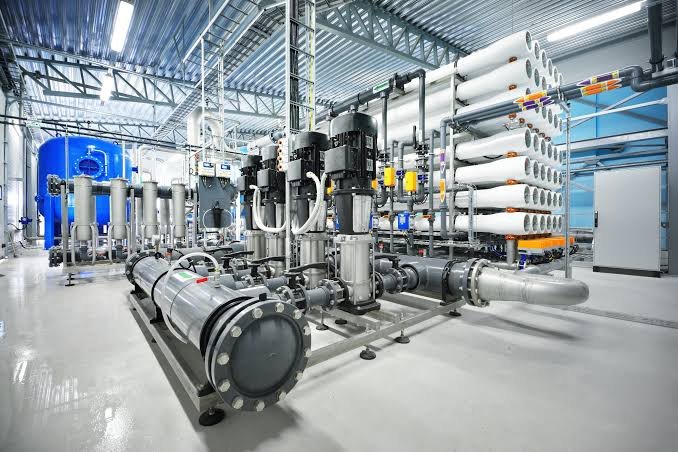
Some maintenance can be handled by homeowners, especially simple filter changes or salt checks. But there are times when a professional inspection makes sense. Systems with multiple stages, reverse osmosis units, UV lights, pressure tanks, or whole-home setups may need more careful evaluation.
Regular routine servicing helps keep the entire system working as intended. A trained technician can check pressure, inspect connections, test water quality, replace worn parts, clean components, and make sure settings match the household’s current usage.
This kind of service is especially useful for well water systems, larger homes, or properties with recurring water issues. It can also help catch small problems before they become major repairs.
Maintenance Protects More Than Water Taste
Better maintenance does more than keep water tasting good. It can protect plumbing, fixtures, water heaters, dishwashers, washing machines, and other appliances that depend on clean, properly treated water. When filters are clogged or softeners fail, minerals and sediment can move where they shouldn’t.
That can lead to scale, staining, poor appliance performance, and more cleaning around the house. Nobody wants to scrub cloudy shower glass every few days or wonder why the dishwasher suddenly leaves spots again.
Keeping the system in good shape helps the whole home run a little smoother. Not perfectly, of course. Homes always need something. But good water takes one big annoyance off the list.
A Little Care Goes a Long Way
Water treatment maintenance isn’t glamorous. Nobody brags about changing a filter or checking a salt tank. But these small tasks matter. They keep the system honest, as my old neighbor used to say.
A neglected system can quietly lose performance. A cared-for system keeps doing its job in the background, giving the home cleaner water, better comfort, and fewer frustrating surprises.
So maybe the best approach is simple: don’t wait until the water tastes odd or the showerhead clogs. Check the system now and then. Follow the service schedule. Replace what needs replacing. Ask for help when something doesn’t seem right.
Good water should feel effortless. A little maintenance is what keeps it that way.