A kitchen water filter is a useful addition to any household with suitable filtration needs, but it only addresses one part of your daily water consumption. What about the water you shower with, the water that fills your washing machine, or the supply running through your dishwasher? These everyday activities deserve just as much consideration, particularly when unpleasant odors or visible particles become recurring problems.
Having filtered water throughout your home can help address shared water quality concerns without the inconvenience of maintaining separate filtration devices in multiple rooms.
For homeowners in Tampa Bay, centralized filtration offers a practical opportunity to improve everyday comfort and simplify water management. The trick is understanding which treatment methods are appropriate for your property rather than assuming every household needs the same equipment.
Getting to Know the Water Entering Your Home
Water can pick up different substances along its journey to your household faucets. Naturally occurring minerals, suspended particles, disinfectants, and aging plumbing may all influence its characteristics.
Perhaps you’ve noticed tiny particles collecting inside your kitchen faucet aerator. Maybe the water in your shower has a distracting chemical smell.
These observations are worth investigating, but they don’t always reveal the complete picture. Some water quality concerns aren’t noticeable through ordinary taste, smell, or appearance.
Reviewing your municipal water quality report or arranging appropriate laboratory testing can help establish which substances deserve attention.
Once you understand your incoming water, finding suitable treatment becomes considerably less complicated.
Why Sediment and Carbon Filters Complement Each Other
Different filtration technologies perform different jobs. A filter designed to capture sand particles, for example, won’t necessarily address the chemical substances responsible for unpleasant water odors.
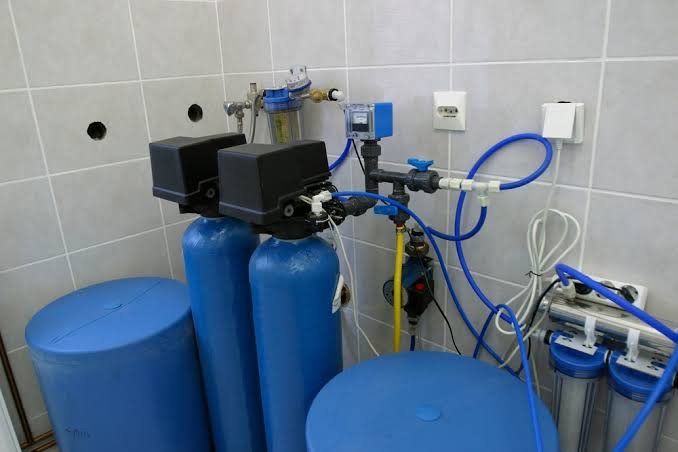
Combining whole-home sediment and carbon filtration allows homeowners to address several common water quality concerns through complementary treatment stages.
Sediment filters capture suspended materials such as sand, silt, and rust particles. Activated carbon helps reduce certain chemicals associated with unwanted tastes and odors.
Placing sediment filtration before carbon treatment can also help protect the carbon media from excessive particulate accumulation.
However, neither technology automatically addresses every contaminant or removes dissolved hardness minerals.
Understanding what each filtration stage accomplishes helps homeowners avoid unrealistic expectations and choose equipment that genuinely meets their needs.
Choosing the Right Filtration Capacity for Your Household
Picture a typical weekday morning. Someone’s taking a shower, the washing machine is filling, and breakfast dishes need rinsing. That’s quite a bit of water moving through your property simultaneously.
When comparing residential whole-house filters, consider peak household demand, incoming water pressure, filtration capacity, and available installation space.
An undersized system may restrict water flow, particularly during those busy periods when several fixtures operate together.
It’s also worth discussing the type of disinfectant used by your municipal water supplier. Different carbon filtration designs have different treatment capabilities, particularly when addressing chlorine or chloramine.
Rather than selecting equipment based entirely on its price or advertised lifespan, ask about documented performance under realistic household operating conditions.
Making Your Bathroom a More Enjoyable Space
After spending an afternoon outdoors in the Tampa Bay sunshine, a warm shower can be wonderfully relaxing. An unpleasant disinfectant odor, however, can make the experience considerably less appealing.
Suitable carbon filtration may help reduce certain unwanted smells, while sediment removal can help limit particles reaching connected bathroom fixtures.
If chalky deposits regularly appear around your shower doors and faucets, hardness may be another issue worth investigating.
Separate water softening equipment can complement filtration by reducing calcium and magnesium concentrations.
These improvements aren’t necessarily dramatic, but they can make bathroom maintenance and everyday bathing routines more enjoyable.
And when you’ve got a busy household, even a small reduction in recurring cleaning frustrations is welcome.
Looking After Your Plumbing and Household Appliances
It’s easy to overlook the condition of the water entering your appliances. Most of us simply press a button on the dishwasher or washing machine and expect everything to work.
Over time, suspended particles can collect inside appliance inlet screens and valves, potentially contributing to maintenance concerns.
Appropriate filtration helps reduce the amount of particulate material reaching connected equipment.
Where excessive hardness is also present, separate softening may help limit new scale formation inside water-heating appliances.
Neither treatment automatically repairs existing damage, but both can complement preventive maintenance.
For Tampa Bay homeowners investing in new appliances or renovating older properties, checking incoming water quality beforehand is a sensible precaution.
Understanding What Happens After Installation
A centralized filtration system might operate quietly in your garage or utility room, but that doesn’t mean it can be forgotten indefinitely.
Sediment cartridges gradually accumulate particles, while activated carbon eventually exhausts its treatment capacity.
Ask about replacement schedules, servicing expenses, and equipment accessibility before committing to an installation.
Maintaining appropriate system hygiene is also important, particularly when filtration reduces disinfectant residual throughout the property.
Private well owners should continue regular laboratory testing. Appropriate follow-up assessments can help verify performance when treatment targets specific contaminants.
A straightforward maintenance schedule makes these responsibilities easier to manage and helps preserve the value of your investment.
Enjoying Better Water Across Your Tampa Bay Home
Improving household water quality doesn’t have to involve expensive renovations or complicated equipment.
Start with reliable testing, identify the concerns affecting your property, and select filtration that addresses those requirements.
The benefits may appear in ordinary moments — enjoying a shower without distracting odors, noticing fewer particles around faucets, or spending less time maintaining individual filters.
Water supports nearly every household activity, from early morning showers to late-night kitchen cleaning.
Giving its quality thoughtful attention is a practical way to make your home more comfortable. And with fewer recurring water-related frustrations, there’s more time to enjoy the relaxed evenings, sunny weekends, and outdoor activities that make Tampa Bay such a rewarding place to live.