Clean water is something we depend on every day without giving it much thought. From making breakfast and washing dishes to taking a shower after a long day, we expect the water coming through our taps to be safe. But behind the scenes, plumbing systems need proper protection to prevent contaminated water from flowing back into the clean water supply.
Backflow prevention devices play an important role in protecting water quality. They are installed in plumbing systems to stop water from reversing direction under certain pressure conditions. Although these devices are built to provide dependable protection, they aren’t immune to wear, damage, or mechanical failure. Regular testing and timely repairs can make a real difference in keeping a plumbing system safe and reliable.
Understanding Why Backflow Happens
Water normally travels in one direction through a plumbing system. However, changes in pressure can sometimes cause it to flow backward. This situation is known as backflow and can occur because of backpressure or backsiphonage.
Backpressure happens when pressure within another part of a plumbing system becomes greater than the pressure in the incoming water supply. Backsiphonage, on the other hand, may occur when a sudden drop in supply pressure creates suction that pulls water backward.
Consider a garden hose connected to an outdoor faucet and placed inside a bucket containing fertilizer or dirty water. If the pressure in the water supply drops unexpectedly, contaminated water could potentially be drawn into the plumbing. Similar risks may exist around irrigation systems, commercial equipment, swimming pools, and certain industrial connections.
These situations are precisely why backflow prevention assemblies are important. They help protect the water supply from unwanted contaminants that could otherwise enter through plumbing connections.
Why Regular Backflow Testing and Inspection Matter
Backflow devices contain internal components such as check valves, springs, seals, and pressure-sensitive mechanisms. These parts work together to prevent reverse water movement, but they can deteriorate over time.
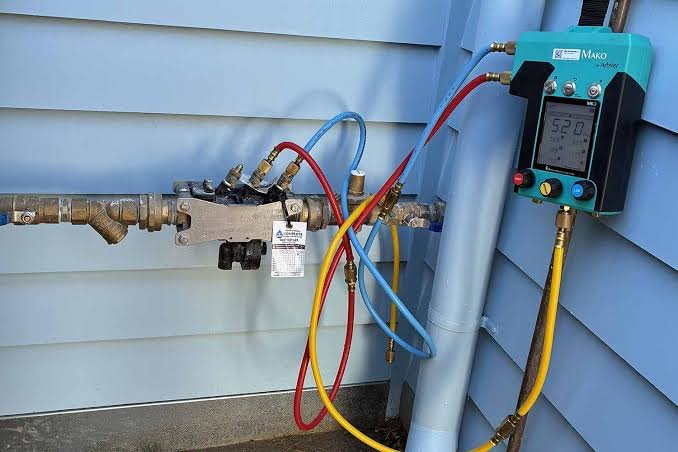
Professional backflow testing and inspection helps determine whether the device is functioning correctly. A technician uses specialized equipment to measure pressure conditions and check the performance of the assembly. The process can reveal problems that aren’t visible during a simple visual inspection, including worn components, valve failures, or pressure irregularities.
Testing is particularly important in commercial properties, restaurants, irrigation systems, healthcare facilities, apartment buildings, and homes with plumbing connections that may create contamination risks.
Instead of waiting until a device fails, routine testing provides an opportunity to identify issues early and take appropriate action.
Signs Your Backflow Prevention Device May Need Attention
Backflow assemblies don’t always show obvious signs of malfunction. Still, certain warning signs should never be ignored.
Visible water leakage around the device, corrosion, damaged fittings, unusual pressure changes, or persistent dripping may indicate that something isn’t working properly. Outdoor assemblies can also experience damage from landscaping equipment, extreme weather, accidental impacts, or shifting ground.
Even if the device looks fine, it may still fail a performance test. Internal seals can wear out, debris may interfere with valve operation, and mechanical parts can lose their effectiveness over time.
If you notice any unusual condition, arranging an inspection sooner rather than later is usually the sensible choice.
What Happens When a Backflow Device Fails?
When testing reveals a problem, the next step is to identify the cause. In many cases, the assembly may need cleaning, adjustment, or replacement of worn internal parts.
Professional backflow device repairs can address issues such as damaged seals, malfunctioning check valves, debris buildup, leaking components, and other mechanical failures. A qualified technician evaluates the assembly and determines whether it can be repaired safely or whether replacement is a better long-term option.
After completing the repair, the device should be tested again to confirm that it meets the required performance standards. This follow-up step is important because a repair isn’t complete simply because the visible leak has stopped.
Why Annual Testing Can Save Time and Money
Many properties are required to arrange an annual backflow test for certain assemblies, although testing frequency depends on local regulations, the type of device, and the water authority’s requirements.
Regular testing helps property owners avoid unexpected failures, identify maintenance needs, and keep required documentation up to date. For businesses, staying on top of inspections may also help prevent interruptions to daily operations or compliance-related problems.
Scheduling testing in advance is often easier than waiting for a notice or dealing with a failed assembly at the last minute. Keeping previous test reports and repair records together can make future inspections much smoother.
Choosing a Qualified Backflow Testing Professional
Backflow testing requires proper training, specialized equipment, and familiarity with the specific assembly being inspected. Not every plumbing technician is qualified to test every type of backflow prevention device.
When choosing a service provider, look for relevant certifications, experience, clear pricing, and a willingness to explain test results. Depending on local requirements, testing may need to be performed by an approved or certified professional.
A reliable technician should also explain any recommended repairs, provide documentation when applicable, and help you understand when the next inspection is due.
Protecting Water Quality Starts With Preventive Care
Backflow prevention may not be the most noticeable part of property maintenance, but its purpose is extremely important. It helps protect the water supply used by families, employees, customers, and communities.
Regular testing, prompt repairs, and a little attention to plumbing equipment can help reduce contamination risks and keep water systems functioning properly. Taking care of these small details today is a practical way to protect something we all rely on tomorrow.