There’s something romantic about restaurants. The clatter of plates, the low hum of conversations, that moment when a dish lands on the table and everyone leans in just a little. It feels alive.
But if you step behind the scenes—past the décor, past the curated playlists—you’ll find a very different conversation happening. One that’s less about ambience and more about margins, rent, staffing, and survival.
And increasingly, that conversation includes a quieter, less visible competitor: the cloud kitchen.
The Dream vs the Spreadsheet
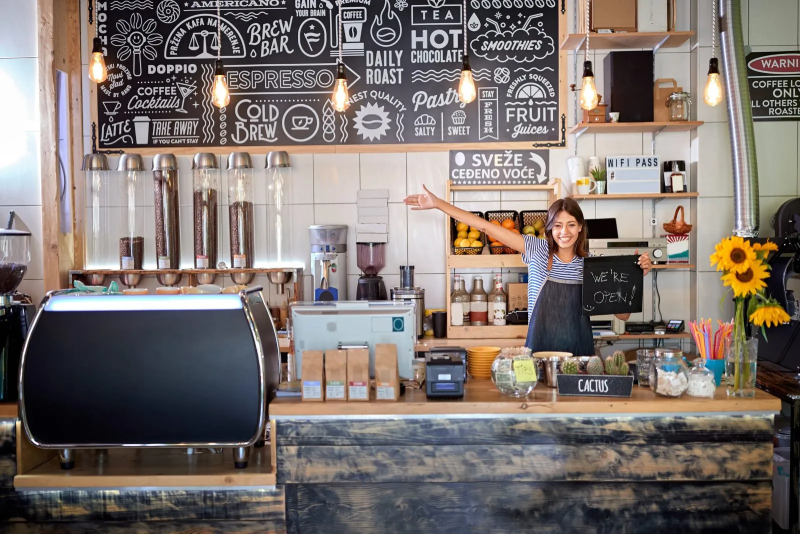
Opening a dine-in restaurant has always been a dream for many. It carries a sense of identity—you’re not just running a business, you’re creating an experience. People remember the place, not just the food.
But here’s the thing. That experience comes at a cost.
Rent in prime locations, interior design, furniture, service staff, licenses—it all adds up quickly. And that’s before you’ve served your first customer. The investment isn’t just financial; it’s emotional too. You’re betting on footfall, on word-of-mouth, on reviews that can make or break you overnight.
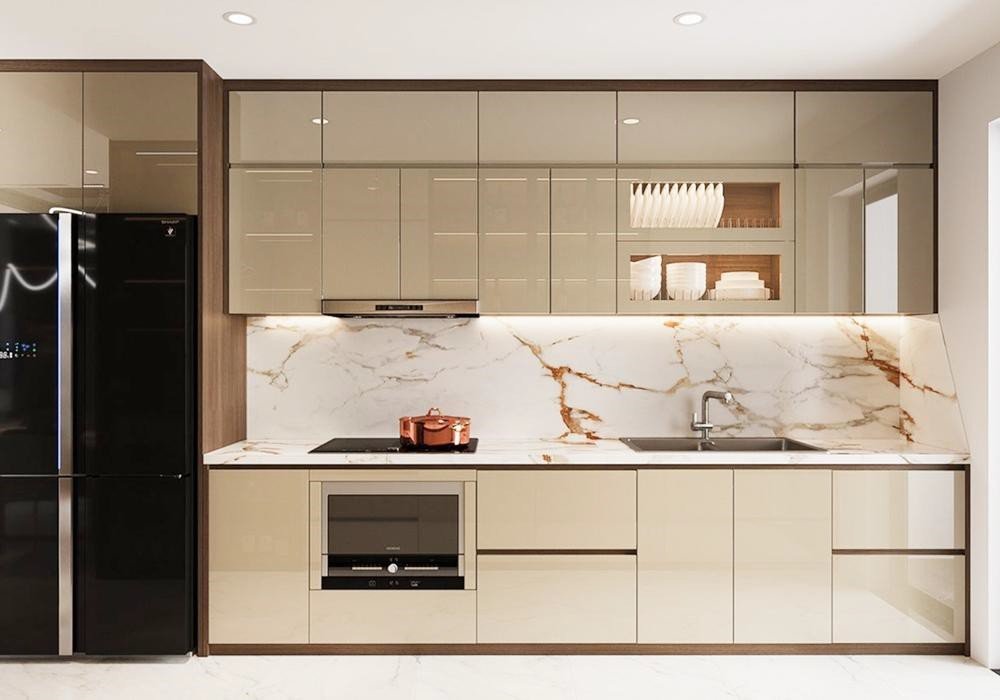
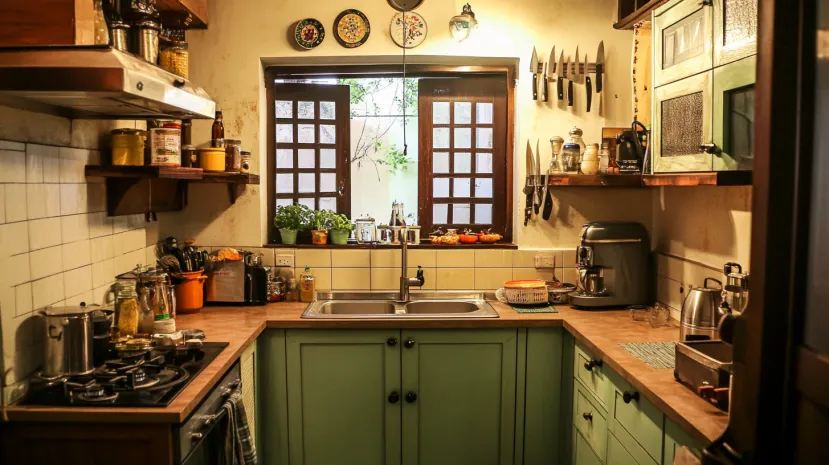
Cloud kitchens, on the other hand, skip most of that. No dining area, no elaborate interiors. Just a functional kitchen optimized for delivery.
Less charm, maybe. But also, less baggage.
The Cost Structure Tells a Story
If you compare the two models purely on numbers, cloud kitchens tend to start lighter.
Lower rent (since location visibility matters less), fewer staff (no servers, no hosts), and reduced upfront costs. It’s lean, almost surgical. You focus on food production and delivery, nothing else.
Dine-in restaurants, by contrast, have multiple moving parts. Even when business is slow, the costs don’t pause. Rent doesn’t wait. Salaries don’t shrink.
That doesn’t mean one is better than the other—it just means they play different games.
Why Delivery Changed Everything
The rise of food delivery apps quietly reshaped the industry. What used to be an add-on service became the main channel for many businesses.
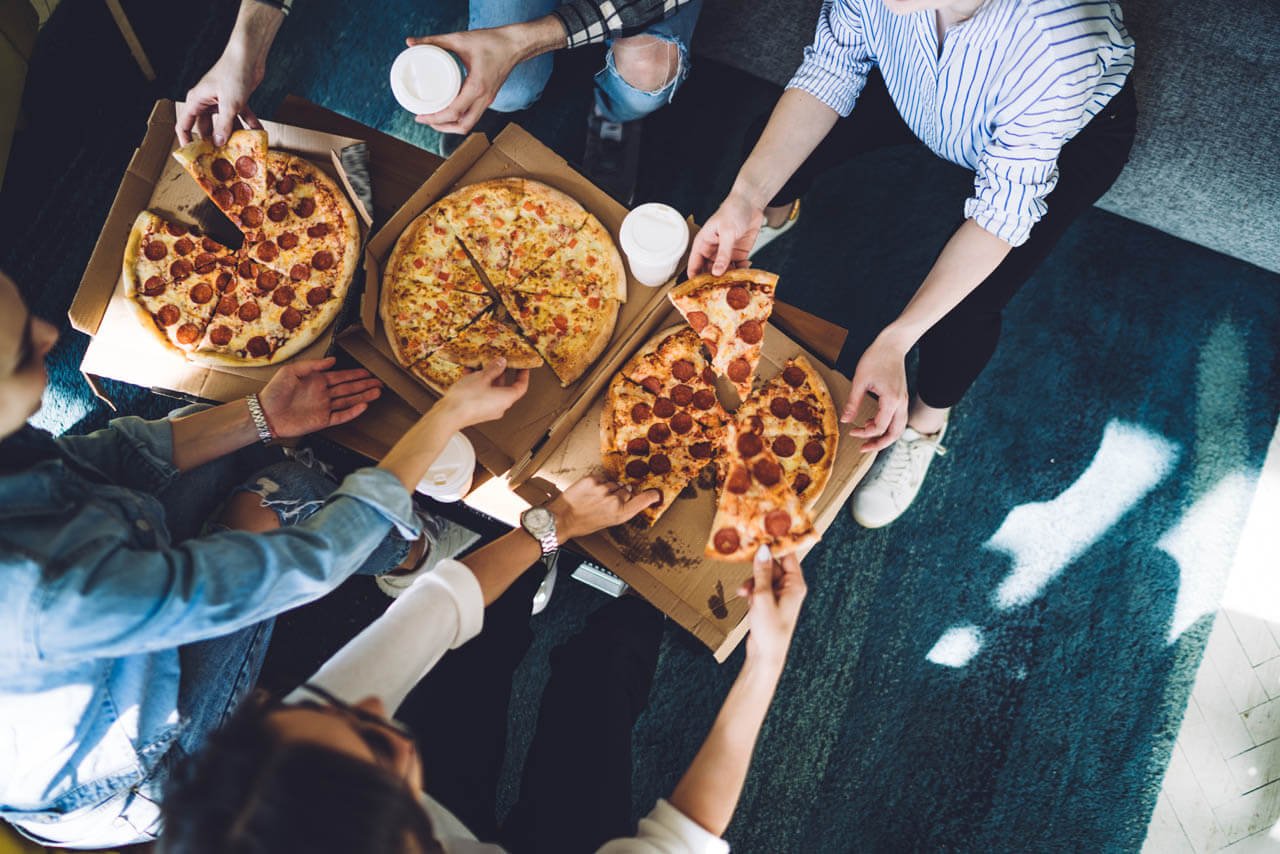
People got used to ordering in. Convenience became the default.
And cloud kitchens were built for exactly that.
They’re not trying to attract walk-ins. They’re optimized for speed, packaging, and consistency. A dish that travels well often matters more than how it’s plated.
This shift blurred the lines. A brand doesn’t need a physical storefront to exist anymore. It just needs visibility on an app and good reviews.
Cloud Kitchens vs Dine-in Restaurants: Profit comparison
When you look at profits, things get interesting.
Cloud kitchens often operate on tighter margins per order because of delivery platform commissions. But their overall costs are lower, which can balance things out. If volume is high, profitability can scale fairly quickly.
Dine-in restaurants, meanwhile, can have higher margins per dish—especially on beverages and upsells. But their overheads are significantly higher. So even with good sales, net profit can sometimes feel… underwhelming.
The comparison isn’t straightforward. It depends on location, concept, management, and a bit of luck too.
But broadly speaking, cloud kitchens win on efficiency, while dine-in spaces win on experience—and sometimes, pricing power.
The Emotional Factor
Here’s something spreadsheets don’t capture well.
Running a dine-in restaurant is deeply personal. You see your customers, you hear their feedback directly, you watch them enjoy what you’ve created. There’s a satisfaction there that’s hard to quantify.
Cloud kitchens feel different. More distant. Orders come in through screens, feedback arrives as ratings, and interactions are minimal.
For some entrepreneurs, that’s perfectly fine—even preferable. For others, it feels like something’s missing.
Brand Building Looks Different
Brand identity plays out in unique ways across both models.
Dine-in restaurants build their brand through ambience, service, and location. People associate the experience with the place itself.
Cloud kitchens rely heavily on digital presence—photos, reviews, packaging, and consistency. You don’t have a physical space to impress customers, so every order has to deliver (literally and figuratively).
Interestingly, some businesses are blending both models. Starting as cloud kitchens to test the concept, then opening a dine-in space once demand is proven.
It’s a practical approach—reduce risk first, expand later.
Challenges on Both Sides
Neither model is without its headaches.
Cloud kitchens depend heavily on delivery platforms, which means less control over customer relationships and commissions that can eat into profits.
Dine-in restaurants deal with fluctuating footfall, high fixed costs, and the constant pressure to maintain quality across multiple touchpoints.
In a way, both require resilience—just in different forms.
So, What’s the Smarter Choice?
There’s no one-size-fits-all answer here.
If you’re looking for lower investment, faster scalability, and a focus on operations, cloud kitchens make a lot of sense.
If you care about creating a memorable space, building a strong local presence, and offering more than just food, dine-in might be worth the risk.
Somewhere in between, hybrid models are emerging—and they might just represent the future.
Final Thoughts
The food business has always been tough. That hasn’t changed.
What has changed is how you can approach it. The path isn’t singular anymore. You don’t have to choose the traditional route if it doesn’t fit your vision.
Whether it’s a bustling restaurant filled with conversations or a quiet kitchen sending out orders across the city, success depends on understanding your strengths—and the market you’re stepping into.
Because at the end of the day, it’s not just about serving food.
It’s about building something that lasts.