Not too long ago, “serious gaming” in India meant one thing — a bulky PC setup, maybe a gaming café, and a handful of titles that demanded both skill and hardware. It felt a bit exclusive, almost like a club you needed the right equipment to enter.
But things have shifted. Quietly at first, then very obviously.
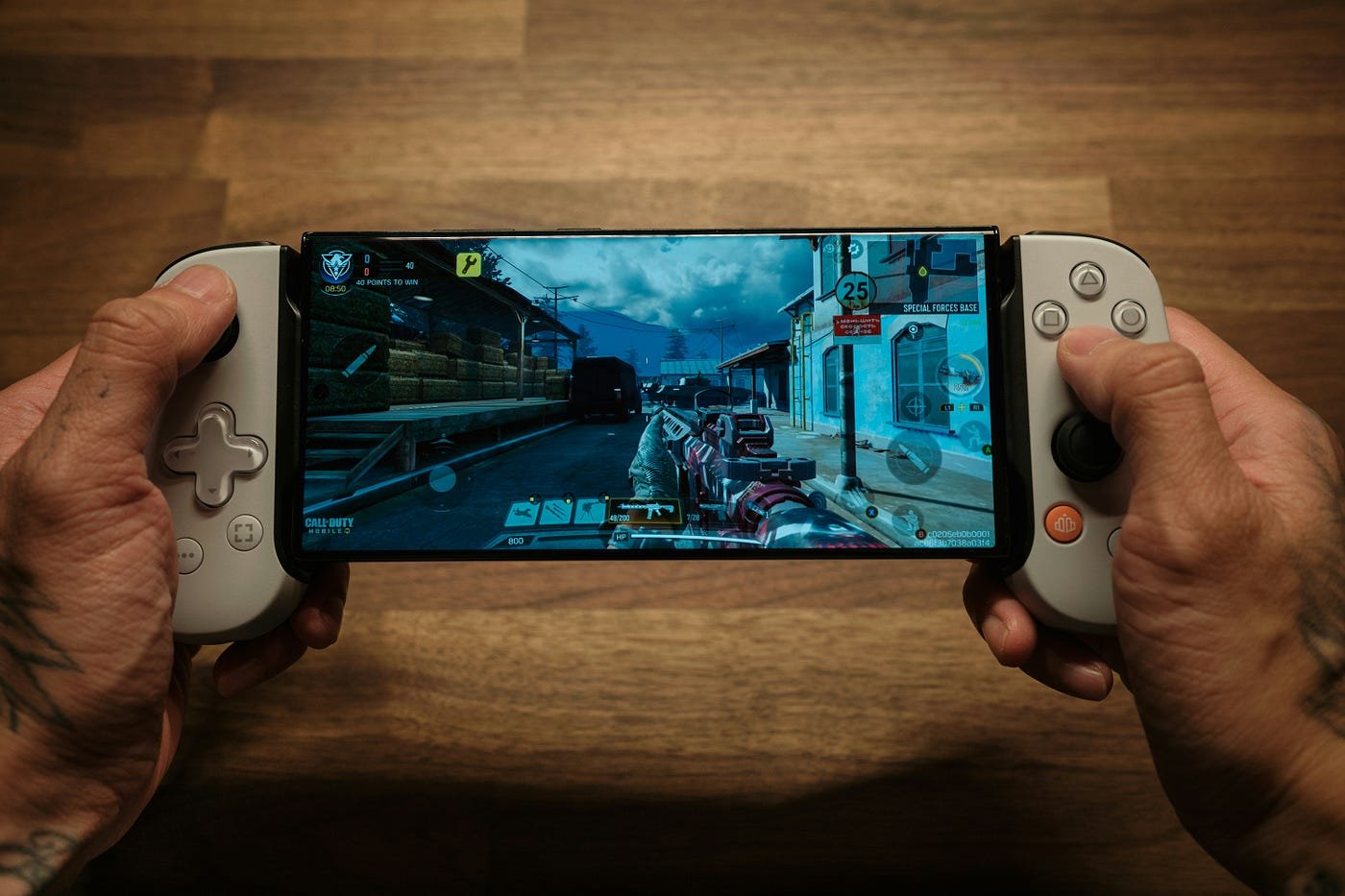
Today, you’ll find competitive gaming happening on buses, in college canteens, during lunch breaks at work — all on smartphones. No fancy setup, no high-end GPU. Just a device in your pocket and a decent internet connection.
And somehow, that’s been enough to shake things up.
The Accessibility Advantage
If you had to pinpoint the biggest reason behind mobile gaming’s rise, it would be accessibility.
Smartphones are everywhere in India. From metro cities to smaller towns, they’ve become part of daily life. And as mobile hardware improved, so did the quality of games.
Titles that once felt limited to PCs or consoles now run smoothly on handheld devices. Add affordable data plans into the mix, and suddenly, gaming is no longer restricted to a niche audience.
Anyone can jump in.
That democratization — making gaming available to millions — is what’s fueling the growth of mobile esports.
Mobile Esports India me PC gaming ko kaise challenge kar raha hai
The competition between mobile and PC gaming isn’t as one-sided as it used to be.
Mobile esports has started challenging PC gaming in a few key ways. First, sheer numbers. The player base for mobile games in India is massive — far larger than the PC gaming community. More players mean more competition, more content, and ultimately, more attention from sponsors and organizers.
Then there’s the ease of entry. You don’t need expensive equipment to compete. A good smartphone is enough to get started, which lowers the barrier significantly.
Tournaments, too, are adapting. Mobile esports events are drawing large audiences, both online and offline. Prize pools are growing, and brands are beginning to take notice.
It’s not that PC gaming is disappearing — far from it. But mobile esports is no longer playing catch-up. It’s carving out its own space, and it’s doing it fast.
The Community Effect
One of the most underrated aspects of mobile gaming is how social it is.
People play together in real-time, often with friends they already know. Voice chats, quick matches, and team-based gameplay make it easy to stay connected. You don’t need to plan a gaming session days in advance — you just open an app and you’re in.
This has created a strong, organic community.
College groups, office teams, even families — gaming has become a shared activity. And when something becomes social, it spreads faster.
PC gaming communities are strong too, but they tend to be more niche. Mobile gaming, on the other hand, feels more… inclusive.
Streaming and Content Creation
Another factor driving mobile esports is content creation.
Streaming platforms have made it easier for players to showcase their skills. And because mobile games are widely accessible, viewers can relate more easily. They’re not just watching — they’re thinking, “Hey, I can try that too.”
This relatability boosts engagement.
A streamer playing on a smartphone feels closer to the audience than someone with a high-end PC setup. It’s less intimidating, more approachable.
And for aspiring gamers, that matters.
Performance vs Convenience
Of course, mobile gaming isn’t without its limitations.
PC gaming still offers better graphics, higher frame rates, and more precise controls. For certain genres, especially competitive FPS or strategy games, that precision can make a big difference.
But here’s the trade-off — convenience.
Mobile gaming may not match PC performance, but it wins on flexibility. You can play anywhere, anytime. No setup required.
And for many players, that flexibility outweighs the technical advantages of PC gaming.
The Role of Game Developers
Developers have played a huge role in this shift.
They’re designing games specifically for mobile platforms, optimizing performance, and creating competitive ecosystems around them. Regular updates, in-game events, and esports integrations keep players engaged.
It’s not just about making games playable on mobile — it’s about making them competitive.
And that’s where the real change is happening.
Challenges That Still Exist
Despite the growth, mobile esports in India faces its own set of challenges.
Device disparity is one. Not all players have access to high-performance smartphones, which can create an uneven playing field. Network stability is another issue, especially in regions with inconsistent internet connectivity.
There’s also the perception factor. Some still view mobile gaming as “casual” compared to PC gaming. Changing that mindset takes time.
But if current trends are anything to go by, that perception is already starting to shift.
A New Definition of Competitive Gaming
What’s happening in India right now is more than just a platform shift. It’s a redefinition of what competitive gaming looks like.
Esports is no longer tied to a specific device. It’s about skill, strategy, and community — regardless of where you play.
Mobile gaming has brought esports closer to the masses. It’s made it more accessible, more inclusive, and in many ways, more dynamic.
Where Things Are Headed
It’s unlikely that mobile gaming will completely replace PC gaming. Both have their strengths, their audiences, their unique appeal.
But the gap between them? It’s definitely narrowing.
Mobile esports isn’t just an alternative anymore. It’s a serious contender.
And maybe that’s the most exciting part — watching a space evolve in real time, driven not by technology alone, but by the people using it.
Because in the end, gaming has always been about connection. And right now, that connection fits right into the palm of your hand.