

There are some parts of health people only start paying attention to when they stop working properly. Swallowing, eating, even just enjoying a simple meal—these things feel automatic until they’re not. And when problems begin in the esophagus, life can quietly become uncomfortable in ways that are hard to ignore.
Modern medicine has stepped in with a range of surgical solutions that are far more precise, less invasive, and more focused on long-term comfort than ever before. It’s not just about fixing a problem anymore—it’s about restoring normal life with as little disruption as possible.
When Acid Reflux Becomes More Than Just Heartburn
One of the most common issues affecting the esophagus is severe reflux that doesn’t respond well to medication. In such cases, doctors sometimes recommend a procedure called Fundoplication.
At its core, this surgery is designed to stop stomach acid from repeatedly flowing back into the esophagus. It might sound technical, but the impact is very human—less burning, fewer sleepless nights, and more freedom in everyday eating habits.
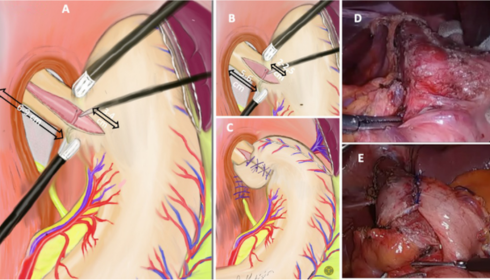
fundoplication is often considered when lifestyle changes and medication are no longer enough to manage symptoms. The procedure involves wrapping the upper part of the stomach around the lower esophagus to reinforce the natural barrier that prevents acid reflux.
For many patients, the change afterward feels surprisingly immediate. Meals become less stressful, sleep improves, and that constant “acid awareness” in the chest slowly fades into the background. It’s not a dramatic overnight transformation, but more like life quietly getting back on track.
When Surgery Becomes More Complex
There are cases where esophageal conditions go beyond reflux or functional issues. In more serious situations, especially involving cancer or severe damage, doctors may perform Esophagectomy.
This is one of the more complex procedures in gastrointestinal surgery. It’s typically used when a section of the esophagus needs to be removed and reconstructed using another part of the digestive system.
esophagectomy is not a decision taken lightly. It usually follows detailed diagnostic testing, imaging, and discussions between specialists. The goal is always to remove diseased tissue while preserving as much normal function as possible.
Recovery from this surgery requires patience. Eating habits change, the body needs time to adjust, and follow-up care becomes an important part of the journey. But for many patients, it also represents a critical step toward long-term survival and improved quality of life.
What stands out most in modern approaches is how carefully personalized everything has become. Surgeons don’t just focus on removing disease—they focus on how the patient will live afterward.
A Different Kind of Surgical Relief
Not all esophageal conditions require removal or major reconstruction. Some involve muscle-related disorders that affect how food moves down the throat. In these cases, doctors may recommend Myotomy.
This procedure helps relax tight muscles that make swallowing difficult. It’s often used in conditions where the esophagus doesn’t function smoothly, causing food to get stuck or move slowly.
myotomy works by carefully cutting specific muscle fibers, allowing the esophagus to function more normally. The idea might sound intense, but the goal is actually the opposite—to make swallowing feel natural again.
Patients who undergo this procedure often describe the difference in very simple terms: eating becomes easier. No more hesitation before meals. No more discomfort building up with every bite. Just a smoother, more natural experience.
And like many modern surgeries, advancements in technique have made recovery more manageable than in the past, with less trauma and quicker return to daily routines.
The Shift Toward Patient-Centered Surgery
What’s interesting about all these procedures is not just what they treat, but how they reflect a broader shift in medicine. Surgery today isn’t just about fixing a problem inside the body—it’s about improving how someone lives after the treatment.
Doctors now think carefully about long-term outcomes. How will the patient eat? How will recovery feel? How quickly can normal routines return? These questions are just as important as the technical success of the procedure itself.
There’s also more collaboration than ever. Surgeons, gastroenterologists, dietitians, and recovery specialists often work together to create a complete treatment plan. It’s not a single moment in the operating room—it’s a journey that extends before and after surgery.
Recovery That Respects Real Life
One of the biggest improvements in esophageal surgery is how recovery is handled. Patients are no longer expected to simply “rest and wait.” Instead, there’s structured guidance—gradual diet progression, monitored healing, and personalized follow-ups.
This makes a real difference. Recovery feels less uncertain and more supported. Patients know what to expect, when to take the next step, and how their progress should feel.
And while every case is different, the overall trend is clear: recovery today is more thoughtful, more structured, and more aligned with real human life.
A Quiet but Meaningful Medical Evolution
Esophageal surgery may not be something people talk about often, but for those who need it, the impact is deeply personal. It’s about getting back something simple—comfort while eating, ease while swallowing, and confidence in everyday life.
Whether it’s controlling acid reflux, treating serious disease, or improving muscle function, modern procedures are designed with one goal in mind: restoring normal life with as little disruption as possible.
And that’s really what makes today’s surgical care feel different. It’s not just about treating illness—it’s about giving everyday moments back to people, one swallow at a time.