Water is usually one of those things you don’t question. It just exists in the background of daily life—boiling, pouring, rinsing, repeating. You trust it without thinking too much about it. That’s kind of the deal.
But then something small changes.
A faint metallic taste in the morning tea. A reddish stain on the bathroom sink that keeps coming back no matter how many times you scrub. Or just that slightly “off” feeling when you fill a glass and pause for half a second before drinking.
That’s when water stops being invisible.
The Quiet Signs Most Homes Notice Too Late
Most water issues don’t show up dramatically. They don’t announce themselves. They creep in slowly, almost politely, until they become part of your normal routine.
One of the first things people often notice is a change in color or taste. Sometimes it’s subtle, sometimes not so subtle. And often, it’s linked to dissolved metals like iron entering the water supply through pipes or natural sources.
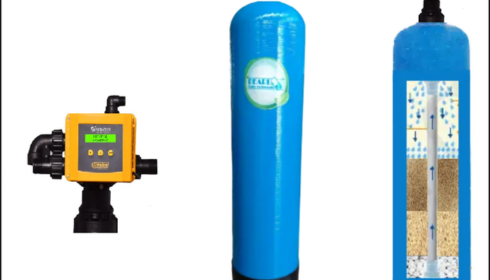
That’s where iron removal quietly becomes important in home water management. It’s not something most people think about until they start seeing stains or noticing that their water doesn’t look as clear as it used to.
What’s interesting is how quickly people adjust before fixing the cause. They start wiping more, cleaning more, maybe avoiding drinking tap water directly. Life continues, just with a little extra effort in the background.
When Water Starts Affecting Everyday Comfort
Water touches almost everything in a home—cooking, cleaning, bathing, even the way appliances behave over time. So when its quality changes, the effects show up in places you wouldn’t expect.
That’s where water filtration quietly comes into the picture. It’s one of those systems people don’t think much about until they experience the difference. And then suddenly, it becomes hard to ignore.
Filtered water tends to feel smoother in daily use. Tea and coffee taste more consistent. Glassware looks cleaner after washing. Even small things like washing vegetables or filling a bottle start feeling slightly more “right.”
It’s not dramatic. It doesn’t change your life overnight. But it removes those small annoyances you only realize were bothering you once they’re gone.
And honestly, that’s usually how the best home improvements work—they don’t demand attention, they just reduce friction.
The Hidden Link Between Pipes, Minerals, and Water Quality
Water doesn’t stay the same from source to tap. It travels through pipes, storage systems, and sometimes long distribution networks before it reaches your home. Along the way, it picks up traces of minerals and elements depending on the infrastructure.
All of this directly affects water quality at the point of use.
What’s tricky is that water quality isn’t always visible. You can’t always tell by looking at a glass of water whether it’s ideal or slightly off. Sometimes the changes are sensory—a faint smell, a mild discoloration, or just a difference in how it feels.
Other times, it shows up indirectly. Appliances that scale faster than expected. Clothes that don’t feel as soft after washing. Bathrooms that need more frequent cleaning.
And because none of it feels urgent, people often assume it’s just “normal home maintenance.”
Why Small Water Changes Feel Bigger Over Time
Water has a strange way of becoming part of routine without drawing attention. You adapt to it instead of questioning it.
A slight change in taste becomes normal. A bit of staining becomes expected. Extra cleaning becomes routine rather than a response to a problem.
That’s why water issues are often underestimated. They don’t break things immediately. They just slowly change how much effort everyday life requires.
And the longer it goes on, the more “normal” it feels.
Until you experience better water somewhere else—and suddenly everything clicks.
The Part People Don’t Realize Until It’s Fixed
One of the most interesting things about improving water is that you don’t always notice it immediately after the change.
There’s no big “before and after” moment. No sudden transformation.
Instead, what you notice is absence. Fewer stains. Less effort while cleaning. A more consistent taste in everyday drinking water. Appliances that don’t seem to struggle as much over time.
It’s subtle. But it adds up.
And slowly, you realize you’ve stopped thinking about water at all—which is exactly the goal.
A Simple Way to Look at It
Water isn’t supposed to be something you manage every day. It’s supposed to just work in the background of life without creating extra steps or frustrations.
Whether it’s through better iron removal, consistent water filtration, or simply improving overall water quality, the real goal is the same: fewer interruptions in everyday living.
Not perfection. Just ease.
Because when water is right, you don’t notice it. And when you don’t notice it, it means everything is working the way it should.