Water problems have a sneaky way of becoming normal. You notice a stain in the sink, scrub it away, and then it comes back. The shower smells odd for a few seconds, so you run it longer. The tap water tastes a little chemical, so everyone starts reaching for bottled water instead. None of these things feel huge on their own. Still, they slowly make the home feel less fresh than it should.
Good water should be easy to trust. It should taste clean, smell normal, wash properly, and not leave ugly marks behind. When it doesn’t, the first step is figuring out what your water is trying to tell you.
When Stains Keep Coming Back
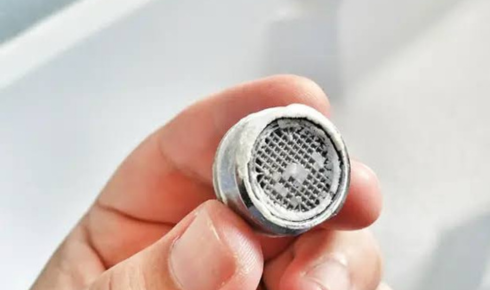
One of the most frustrating signs of poor water quality is staining. Orange, brown, or reddish marks around sinks, toilets, tubs, and drains can make a bathroom look neglected even when it’s cleaned often. It’s annoying because ordinary cleaners may remove the stain for a while, but not the cause.
In many homes, iron and rust stains are linked to iron in the water or aging plumbing. This can be especially common in well water areas, though city water homes can deal with it too. The water may taste metallic, leave marks on fixtures, or even discolor laundry if the issue is strong enough.
The real solution usually starts with testing. Once the level and type of iron are known, the right filtration or treatment system can be chosen.
That Rotten-Egg Smell Nobody Wants
A strange odor is harder to ignore than staining. If water smells like rotten eggs, especially from hot taps, it can make showering, cooking, and brushing teeth feel unpleasant. People often assume the water is unsafe right away, but the cause needs to be identified properly.
A sulfur odor may come from hydrogen sulfide gas, certain bacteria, or sometimes a reaction inside the water heater. The smell can appear in well water systems, but it may also show up in specific plumbing conditions. Either way, it’s not something most families want to live with.
Treatment depends on where the odor starts. Sometimes the issue is the water supply. Sometimes it is the heater. A proper inspection can save a lot of guessing.
Why Tap Water Can Taste Like Chemicals
Municipal water is often treated before it reaches homes, and that treatment plays an important role. But some households dislike the taste or smell left behind, especially when drinking water straight from the tap or making ice.
A noticeable chlorine taste can make water less enjoyable, even when it meets basic safety standards. It may also affect coffee, tea, soups, and other foods where water is a main ingredient. If the water tastes treated, people naturally drink less of it or switch to bottled water.
Carbon filtration and drinking water systems can often help reduce this taste and make everyday water more pleasant.
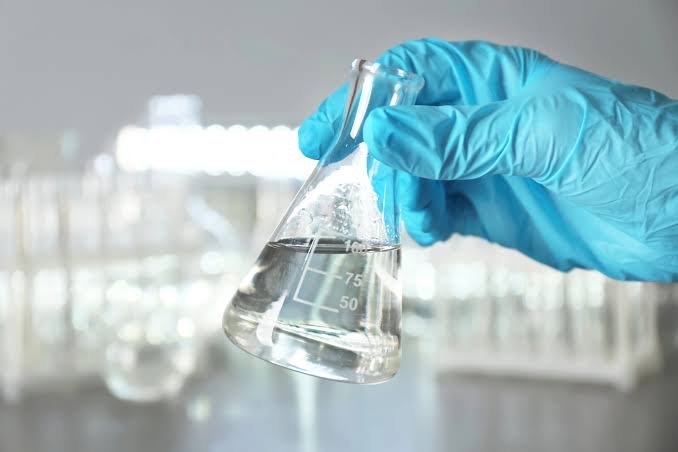
Why Water Testing Matters First
Water issues can look similar but have very different causes. Stains may come from iron, manganese, or old pipes. Odors may come from sulfur, bacteria, or plumbing. Bad taste may be related to chlorine, minerals, or sediment.
That’s why guessing can become expensive. Buying the wrong filter might improve one thing while leaving the main problem untouched. A water test gives a clear starting point and helps match the solution to the actual issue.
The Right Treatment Makes Life Easier
Once the source is identified, treatment can be selected more confidently. Iron filters, carbon filters, oxidation systems, softeners, sediment filters, or reverse osmosis units may all have a place depending on the situation.
The goal is simple: better water with less daily frustration. Cleaner fixtures, fresher taste, fewer odors, and more confidence when turning on the tap.
Better Water Is a Quiet Kind of Comfort
Water is used too often to ignore. It touches showers, laundry, cooking, cleaning, appliances, pets, plants, and drinking glasses. When it smells strange, tastes unpleasant, or leaves stains behind, the whole home feels harder to maintain.
The good news is that most water problems can be understood and improved with proper testing and the right system. You don’t have to keep scrubbing the same stains, avoiding the tap, or pretending the smell is “probably fine.”
Clean, comfortable water should feel normal. And once those little problems are gone, the house just feels better.