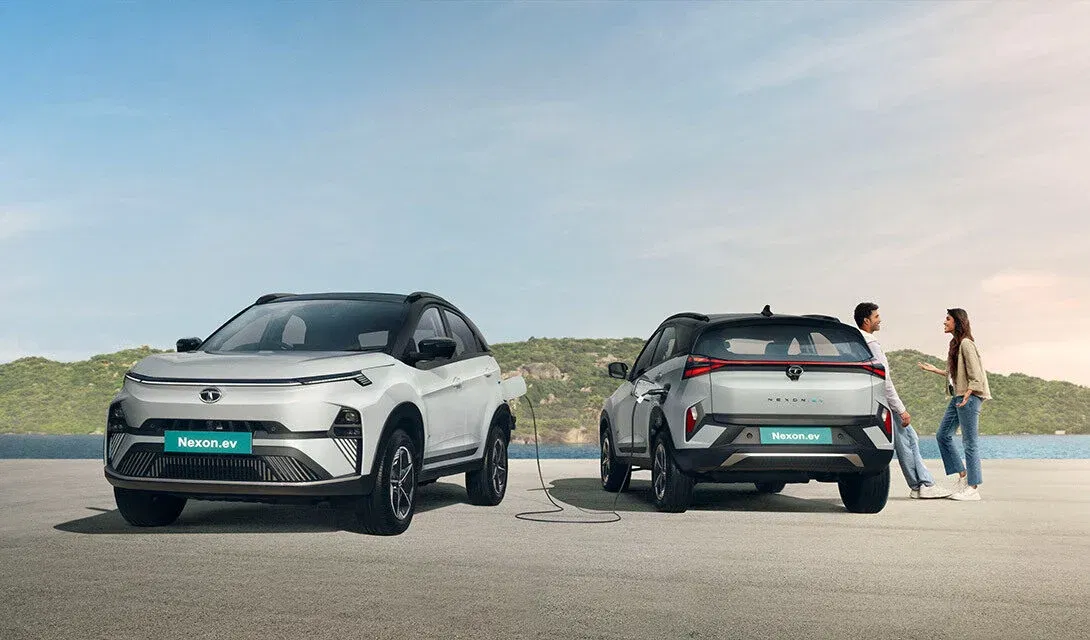
There was a time—not too long ago—when buying an electric vehicle in India felt like stepping into the unknown. Questions hovered in the air: What about battery life? Will resale value even exist? Fast forward to today, and things feel… different. Not perfect, but definitely shifting.
Interestingly, the resale side of the EV ecosystem—something most people ignored—is beginning to show real signs of life. And not in a flashy, overnight-boom kind of way. More like a steady, organic evolution.
A Market That’s Finding Its Feet
Let’s be honest—India’s EV adoption story has mostly been about new buyers. Subsidies, rising fuel costs, and growing environmental awareness have nudged people toward electric. But resale? That was the missing piece.
Now, though, platforms are slowly listing pre-owned EVs. You’ll spot used electric scooters from brands like Ola or Ather, even a few electric cars popping up in metro cities. It’s still early days, sure, but there’s momentum.
One reason? People are beginning to trust the technology a bit more. The initial fear—“what if the battery dies?”—is being replaced with curiosity. And sometimes, even confidence.
Battery Anxiety Is Easing (A Little)
Battery health used to be the biggest roadblock in the resale market. Unlike petrol vehicles, where engine condition can be roughly judged, EV batteries felt like a mystery box.
But things are changing. Manufacturers are offering longer warranties—some up to 8 years—which carry over to second owners. That’s a big deal. It reduces risk and gives buyers a safety net.
Also, diagnostics have improved. Buyers can now check battery health reports before purchasing, which adds a layer of transparency. Not perfect, but better than blind guessing.
Price Sensitivity Driving Demand
India has always been a price-sensitive market. And EVs, despite dropping costs, still sit on the higher side for many buyers.
That’s where the resale market becomes interesting. Pre-owned EVs offer a more affordable entry point into electric mobility. Someone who couldn’t justify a brand-new EV might be perfectly okay buying a used one at a 20–30% lower price.
And here’s the thing—many early EV adopters are upgrading. Newer models with better range and features are coming out fast, so older vehicles are entering the resale cycle sooner than expected.
That naturally feeds supply.
Urban Centers Leading the Shift
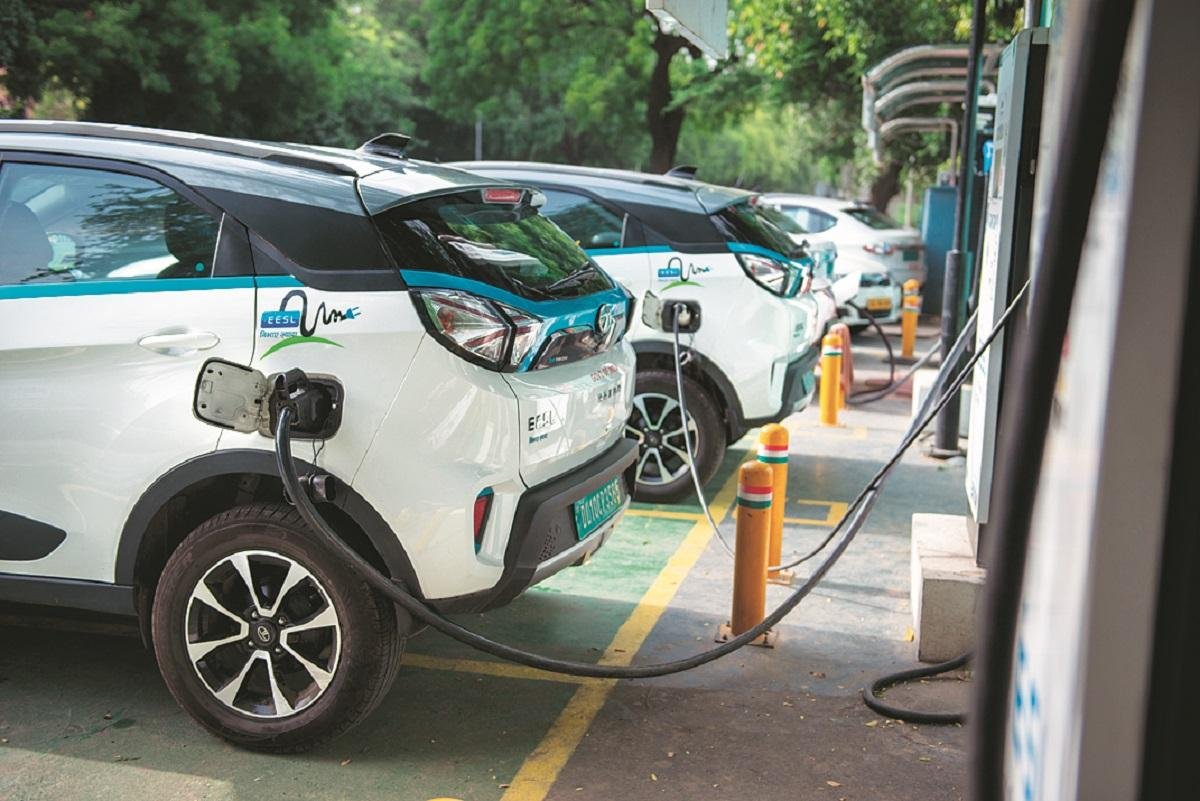
If you look closely, most EV resale activity is concentrated in cities like Bangalore, Delhi, and Mumbai. Not surprising. These cities already have better charging infrastructure and higher EV penetration.
In smaller towns, the story is still catching up. Infrastructure gaps and awareness issues slow things down. But trends tend to trickle outward, don’t they?
Give it a couple of years, and Tier-2 cities might start seeing similar patterns.
Trust Still Needs Building
Even with all this growth, let’s not pretend everything is smooth. Trust remains a hurdle.
Buyers still ask questions like:
- How much has the battery degraded?
- Will charging infrastructure improve where I live?
- Is resale value stable or unpredictable?
And honestly, these are valid concerns.
What’s helping, though, is the gradual involvement of organized players—certified resale platforms, dealership-backed used EV programs, and even OEM-supported exchanges. These bring some structure to what used to be a very informal space.
The Role of Policy and Awareness
Government incentives have largely focused on boosting new EV sales. But the resale ecosystem might need a nudge too.
Policies around battery recycling, resale certification, and standard valuation frameworks could accelerate growth. Right now, pricing feels a bit inconsistent—sometimes even arbitrary.
Awareness campaigns could also help. People need to understand that EVs aren’t “disposable tech” after a few years. They can have a second life, and sometimes a third.
So, Where Is This Heading?
If you zoom out, the direction seems clear. The EV resale market in India isn’t exploding—but it’s definitely expanding.
And maybe that’s a good thing.
A slow, steady build allows trust to form naturally. It gives infrastructure time to catch up. It lets buyers learn through experience rather than hype.
Somewhere in this evolving landscape, the question “EV Resale Market India me kaise grow kar raha hai?” doesn’t feel theoretical anymore. You can actually see it—in listings, in conversations, in the small but noticeable shift in buyer behavior.
Final Thoughts
The EV resale market in India is still a work in progress. There are gaps, uncertainties, and a fair bit of skepticism. But there’s also something else—momentum.
And momentum, once it builds, has a funny way of carrying things forward.
Maybe in a few years, buying a used EV won’t feel like a gamble at all. Just another smart choice.