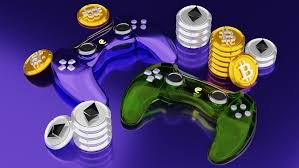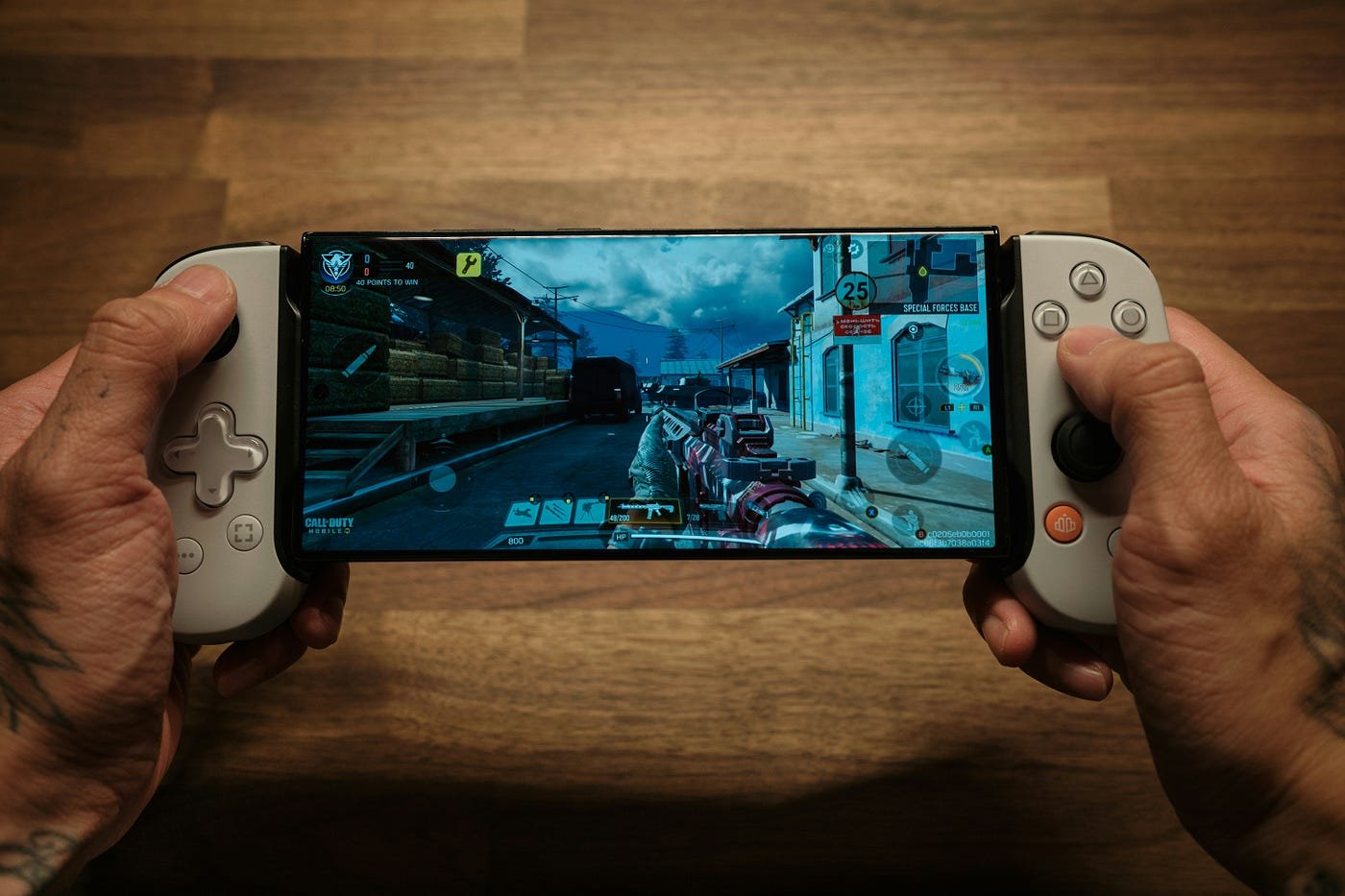
There was a moment—maybe you remember it—when the idea of earning money by playing games felt almost magical. Not in a “too good to be true” way, but in a curious, slightly hopeful sense. People were talking about it everywhere. Friends were sharing screenshots of rewards, Discord servers were buzzing, and suddenly gaming wasn’t just leisure—it looked like an income stream.
But like most things that rise quickly, questions followed just as fast. Not about whether it works—but whether it lasts.
The Early Excitement Was Real
Play-to-earn (P2E) games didn’t come out of nowhere. They arrived at the intersection of gaming, blockchain, and a broader cultural shift toward digital ownership.
Players could earn tokens, trade assets, even sell in-game items for real money. It felt empowering. For some, especially in regions with limited job opportunities, it wasn’t just fun—it was meaningful income.
And for a while, the model seemed almost self-sustaining. New users joined, demand for tokens grew, and the ecosystem kept moving.
Until it didn’t.
The Economy Behind the Game
At its core, a play-to-earn game is still an economy. And like any economy, it needs balance.
Tokens are created, distributed, and traded. Players earn rewards, but those rewards need value. And value, more often than not, depends on demand.
Here’s where things get tricky.
If too many tokens are generated without enough new demand, prices drop. When prices drop, earnings shrink. And when earnings shrink, players—especially those who joined for income—start leaving.
It’s a cycle. Not always predictable, but very real.
That’s why conversations around Play-to-Earn Games ka sustainability issue have become more prominent. It’s not just about gameplay anymore—it’s about economic design.
When Players Become Workers
There’s another layer to this.
In traditional games, players are there to enjoy themselves. Progression, rewards, achievements—they’re all part of the experience.
In P2E games, the dynamic shifts. Players start optimizing for earnings. Time becomes an investment. Fun sometimes takes a backseat to efficiency.
And when a game starts feeling like work, something changes.
You’ll hear people talk about “grinding” in games, but in this context, it’s different. It’s not just about reaching a higher level—it’s about maximizing returns. That pressure can quietly erode the joy that made gaming appealing in the first place.
Play-to-Earn Games ka sustainability issue
Sustainability, in this space, isn’t just about keeping a game running. It’s about maintaining a balance where players feel rewarded without the system collapsing under its own weight.
Many early P2E models relied heavily on continuous user growth. New players would buy in, driving demand for tokens and assets, which supported existing players’ earnings.
But growth isn’t infinite.
Once the influx slows, the cracks begin to show. Token values fluctuate, sometimes sharply. Confidence dips. And suddenly, what looked like a stable system starts to feel fragile.
This doesn’t mean all P2E games are doomed. But it does mean the model needs evolution.
The Shift Toward “Play-and-Earn”
Some developers have started rethinking the approach.
Instead of focusing purely on earning, they’re emphasizing gameplay first. The idea is simple—make a game people actually want to play, and then layer earning opportunities on top.
It’s a subtle but important shift.
If a game is fun on its own, players are more likely to stay even if earnings fluctuate. That creates a more stable user base, which in turn supports the in-game economy.
It’s not a perfect solution, but it feels more grounded.
Regulation and Real-World Pressures
As P2E games grow, they’re attracting attention—not just from players, but from regulators.
Questions around taxation, digital asset ownership, and financial risks are becoming harder to ignore. Governments are starting to look closely at how these ecosystems operate.
And that adds another layer of complexity.
For players, it means navigating not just the game, but also the legal and financial implications of their earnings. For developers, it means building systems that can withstand scrutiny.
The Human Element
Amid all the economics and technology, it’s easy to forget the human side of this story.
For some players, P2E games offered real financial relief. During uncertain times, they became a source of income when other options were limited.
That’s not something to dismiss lightly.
But it also raises expectations. When people rely on something for income, instability becomes more than just an inconvenience—it becomes a risk.
Where Do We Go From Here?
Play-to-earn isn’t disappearing. The idea itself is too compelling.
But it’s changing.
Future models will likely focus on sustainability over rapid growth. Balanced economies, better gameplay, and more realistic earning expectations. Maybe even hybrid systems that combine elements of traditional gaming with blockchain features.
It won’t be as explosive as before. But it might be more stable.
Final Thoughts
There’s still something fascinating about the idea of earning while playing. It taps into a deeper desire—to make time spent enjoyable also feel productive.
But sustainability matters. Without it, even the most exciting concepts can fade.
Play-to-earn games are at a crossroads. Not collapsing, but recalibrating.
And maybe that’s exactly what they need—not to chase hype, but to find a version of themselves that actually lasts.