Most homeowners don’t wake up one day suddenly fascinated by water chemistry. Usually, the concern starts with something small and slightly annoying. A weird smell from the faucet. Orange stains around the sink. Laundry that never quite looks clean anymore. Maybe even a glass of water that tastes just a little “off” in a way that’s hard to describe.
At first, people tend to shrug it off.
Life gets busy. The water still runs, after all. But eventually those little warning signs stop feeling random and start becoming part of everyday life. And honestly, that’s often when homeowners realize the issue deserves more attention than they initially gave it.
Water quality problems rarely arrive dramatically. They settle into routines quietly.
The Water in Your Home Affects More Than You Think
It’s easy to underestimate how deeply water shapes daily comfort. We interact with it constantly without really noticing — making coffee before work, cooking dinner, showering late at night, washing dishes while half-listening to television in the background.
Because those routines feel ordinary, the water itself tends to fade into the background too.
But when something changes, even subtly, the impact spreads everywhere.
Showers stop feeling refreshing. Appliances develop buildup faster. Towels become stiff. Drinking water tastes unpleasant. Guests politely ask for bottled water instead of filling a glass from the sink.
I remember visiting a rural property years ago where the homeowners kept apologizing for the smell coming from their tap water. They had become so used to it they barely noticed anymore, but for visitors, it was immediately obvious.
That’s the tricky thing about long-term water issues — people slowly adapt to conditions that probably shouldn’t feel normal in the first place.
Why Certain Water Odors Shouldn’t Be Ignored
One of the most common complaints in homes using well water is the unmistakable rotten-egg smell linked to sulfur in the water supply. It’s hard to ignore once it appears. The odor tends to become especially strong during hot showers or when running warm water from the sink.
And honestly, it can make perfectly safe daily routines feel unpleasant.
The smell alone often pushes homeowners to finally investigate their water quality after years of putting it off. But beyond comfort, sulfur-related issues can sometimes signal broader water treatment concerns that deserve proper testing and evaluation.
Thankfully, modern treatment systems can often address sulfur odors effectively once the source is correctly identified. The key is understanding what’s actually causing the issue instead of masking symptoms temporarily.
Stains and Discoloration Often Point to Deeper Issues
Another frustrating issue many homeowners face is unexplained staining around sinks, tubs, or laundry fixtures. Sometimes the stains appear brownish-black or leave dark marks that ordinary cleaning products struggle to remove completely.
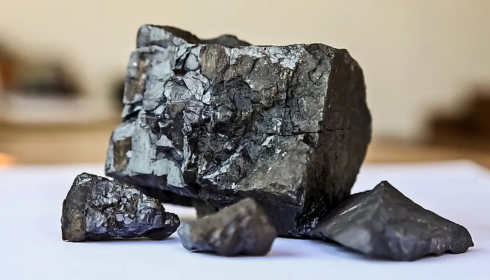
In many cases, excess manganese may be contributing to the problem.
Unlike dramatic plumbing failures, manganese buildup tends to become noticeable slowly over time. Water may look perfectly clear initially, but repeated exposure can stain fabrics, plumbing fixtures, and even dishes.
One homeowner I spoke with described constantly replacing white towels because they never stayed white for long. They assumed the washing machine was failing. Turned out, the water itself was the culprit all along.
That story sticks with me because it highlights how often homeowners blame appliances or cleaning products before considering the condition of the water running through the home every day.
Some Contaminants Require More Serious Attention
Not all water issues are merely cosmetic or related to comfort. Certain naturally occurring contaminants deserve closer monitoring because they may affect long-term health concerns if left untreated.
For example, arsenic can occur naturally in groundwater in some regions, especially in private well systems. The difficult part is that arsenic usually has no obvious taste, smell, or visible appearance. Water may seem perfectly normal while still requiring professional testing and treatment.
That’s why regular testing matters so much for homeowners relying on private wells or older water systems. You can’t always rely on your senses alone to determine water quality.
And honestly, testing provides peace of mind even when results come back clean. Knowing what’s in your water changes uncertainty into information, which makes future decisions far easier.
Better Water Quietly Changes the Feel of a Home
One thing homeowners rarely expect after improving water quality is how many ordinary routines suddenly become less frustrating.
Showers feel fresher. Laundry smells cleaner. Cooking tastes better. Fixtures stay cleaner longer. Even drinking more water becomes easier when the taste and smell improve naturally.
These changes don’t usually feel dramatic in the moment. Instead, they quietly improve everyday life little by little until homeowners realize they’re no longer constantly noticing the water anymore.
And honestly, that’s probably the goal.
Good water shouldn’t demand attention constantly. It should simply support comfortable daily living in the background without strange odors, staining, or uncertainty hanging over ordinary routines.
Every Home Has Different Water Needs
One important thing homeowners sometimes overlook is that water conditions vary enormously depending on geography, plumbing age, infrastructure, and water source.
Some homes mainly struggle with hard minerals. Others deal with sulfur smells, staining metals, or naturally occurring contaminants underground. That’s why proper testing matters before investing in random treatment systems based purely on internet recommendations.
The best water solutions are the ones tailored to the home’s actual conditions — not the loudest marketing claims.
Clean Water Brings Everyday Peace of Mind
At the end of the day, improving household water quality isn’t really about perfection. It’s about confidence.
Confidence that your water tastes fresh. Confidence that your appliances aren’t silently suffering from buildup. Confidence that daily routines — from making coffee to showering after work — feel comfortable instead of frustrating.
Water touches nearly every corner of home life.
And when it improves, the entire home often feels calmer, cleaner, and easier to enjoy in all the quiet ways that matter most.