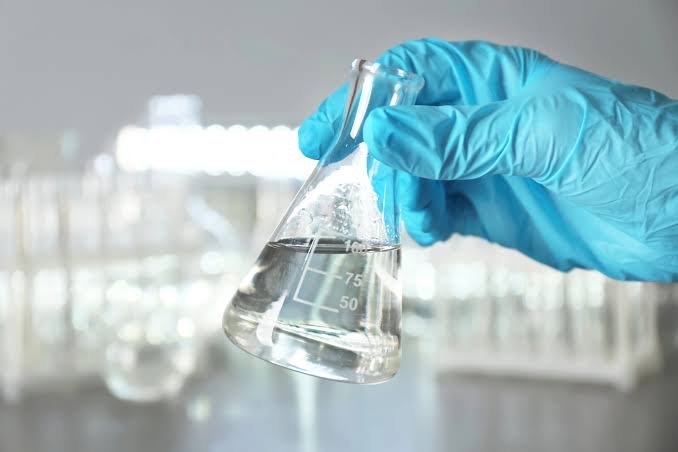
When Water Starts Feeling “Not Quite Right”
Most people don’t question their water until something obvious changes. A strange taste, a faint smell, or even just a slightly different look in a glass can make you pause for a second. But water problems usually don’t show up all at once—they build slowly, quietly, almost politely in the background.
What makes it tricky is how normal it can still feel. You keep using it for cooking, washing, drinking tea, and life just goes on. Yet underneath that normal routine, there could be small shifts happening that deserve attention before they turn into bigger household annoyances.
That Reddish Tint You Keep Ignoring
Sometimes water carries a faint discoloration that’s easy to brush off. A slightly orange or reddish tint in the sink or stains around fixtures might seem like just old plumbing or cleaning residue. But often, it’s more connected to mineral content in the supply or pipes.
In many homes, iron in water is the reason behind those rusty marks on sinks, buckets, and even laundry. It doesn’t always affect taste dramatically at first, which is why it tends to go unnoticed for a long time. Over time though, it can build up and start leaving more visible traces that become harder to ignore.
It’s not necessarily dangerous in small amounts, but it does affect daily life in subtle ways—stains on clothes, buildup in appliances, and that slightly metallic aftertaste that never fully goes away.
When the Smell Tells a Different Story
There are days when everything looks fine, but the smell tells another story entirely. You fill a glass and notice something unusual—like rotten eggs or a damp, earthy odor. It’s not always strong, but it’s enough to make you hesitate.
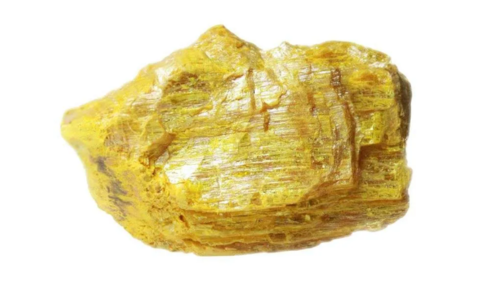
That’s often linked to sulfur smell in water, which can come from natural processes in groundwater or bacterial activity inside plumbing systems. It tends to be more noticeable in hot water, especially when geysers or heaters haven’t been cleaned for a while.
People often try to ignore it or get used to it, but the smell alone is usually a sign that something in the system needs attention. Even if the water is technically safe, the experience becomes unpleasant enough to affect daily comfort.
The Grit You Don’t Expect
One of the more frustrating issues is when water looks fine in the glass but feels slightly off during use. Maybe you notice tiny particles settling at the bottom of a bucket or a faint roughness when washing hands.
These sediment issues are usually caused by sand, dirt, rust particles, or debris entering the water supply. It often happens in areas with older pipelines or after maintenance work in the local water system.
While it might not always be harmful, it can definitely be annoying. Filters clog faster, appliances wear out sooner, and cleaning becomes more frequent than it should be.
Why These Problems Keep Showing Up
Most water issues don’t come from a single source. They’re usually a combination of aging infrastructure, seasonal changes, and storage conditions. Rainy seasons can stir up underground minerals, while summer heat can increase bacterial growth in stagnant water tanks.
Inside homes, pipes also play a role. Older plumbing tends to release trace elements into the water, especially if maintenance has been irregular. Even storage tanks that aren’t cleaned regularly can slowly add to the problem.
So what feels like a “sudden issue” is often just the final stage of something that’s been building for a while.
The Real Impact on Everyday Life
Water problems don’t always show up as health emergencies. More often, they show up in small frustrations—clothes that never look clean enough, kettles that scale up quickly, or taps that leave stains no matter how often you clean them.
Over time, these small issues add up mentally too. You start noticing water more than you should. You question every odd smell or stain. And slowly, something that should feel simple becomes a constant background concern.
What Actually Helps in Real Life
The good news is that most of these issues can be managed without overcomplicating things. Regular tank cleaning, basic filtration systems, and periodic checks of plumbing lines go a long way.
Even small changes like flushing taps after long breaks or using sediment filters at entry points can reduce a lot of everyday problems. The goal isn’t perfection—it’s consistency.
In many homes, people only act after problems become visible. But a bit of preventive attention usually saves a lot of effort later on.
A Simple Way to Look at It
Water doesn’t need to be perfect to be usable, but it should feel reliable. When smell, color, or particles start changing that trust, it’s worth paying attention—not out of fear, but out of practicality.
Most issues don’t appear overnight, and most of them don’t require extreme solutions either. They just need awareness at the right time.
At the end of the day, clean water isn’t just about what’s in it—it’s about how confidently you can use it without second-guessing every glass you drink or every bucket you fill.