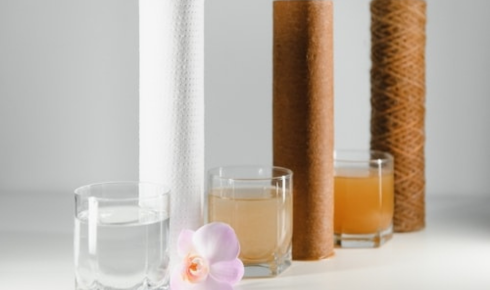
Most people notice water problems only when something looks off. A glass comes out of the tap slightly cloudy. A sink has a gritty ring after the water drains. The ice cubes look a little dull. Maybe the showerhead starts clogging faster than it used to. None of it feels like a big emergency, so it gets brushed aside.
But water has a way of leaving clues. Tiny bits of sand, rust, dirt, and other particles can travel through plumbing and end up in the water used for drinking, cooking, bathing, and cleaning. You may not always see them clearly, but they can affect the way water looks, feels, tastes, and performs around the house.
That is where sediment filtration becomes useful. It is one of those practical home improvements that doesn’t sound glamorous, but once it is working properly, you start to understand why it matters.
What Sediment Really Means
Sediment is a broad word, but in everyday home water, it usually means small solid particles. These may come from soil, aging pipes, municipal water lines, well water sources, or natural mineral deposits. In some homes, sediment shows up as visible grit at the bottom of a glass. In others, it is more subtle, showing up as cloudy water or buildup in appliances.
Well water users may notice sediment more often, especially after heavy rain, nearby construction, or changes in groundwater conditions. City water users can also deal with it, particularly when old pipes or water main repairs disturb material inside the system.
The frustrating part is that sediment can be inconsistent. Water may look fine one day and cloudy the next. That makes it easy to ignore until fixtures, filters, or appliances start showing signs of strain.
Why Cleaner Water Makes Daily Life Easier
Water is involved in nearly every household routine. You drink it, cook with it, wash vegetables in it, brush your teeth with it, make coffee with it, wash clothes with it, and use it to clean dishes. When the water carries visible or invisible particles, those routines can feel less fresh than they should.
With the right filtration in place, homes can enjoy cleaner water from taps, showers, and appliances. That doesn’t mean the water becomes perfect by magic, but it can reduce the unwanted particles that make water cloudy, gritty, or unpleasant to use.
Even small improvements can be noticeable. A glass of water may look clearer. The bathtub may not collect residue as quickly. Faucets and showerheads may stay cleaner for longer. Laundry and dishwashing may feel more reliable because the water is not carrying as much debris through the system.
Protecting Fixtures and Appliances
Sediment is not just a cosmetic issue. Over time, particles can collect inside plumbing lines, water heaters, washing machines, dishwashers, ice makers, and coffee machines. These appliances are built to handle water, of course, but they are not always built to deal with constant grit and debris.
A water heater, for example, can collect sediment at the bottom of the tank. This may affect performance and make the system work harder. Small screens in washing machines or dishwashers can also become clogged. Showerheads may lose pressure when tiny particles block the openings.
A sediment filter acts as a first line of defence. By catching particles before they move deeper into the home’s water system, it can help reduce buildup and lower the chances of avoidable maintenance. It is not exciting, maybe, but neither is replacing an appliance earlier than expected.
How Taste Can Change Too
Many people think taste problems only come from chlorine or minerals, but sediment can also play a role in how water feels and tastes. Water with tiny particles may seem flat, earthy, metallic, or simply “not quite right.” Sometimes the issue is mild enough that people get used to it.
Filtered water often feels fresher because there is less unwanted material floating around in it. For families that drink tap water daily, make tea, brew coffee, or cook often, better tasting water can make ordinary things more enjoyable. A morning coffee, a pot of soup, a glass of cold water after being outside — these small moments matter more than we admit.
Choosing the Right Filter
Not every sediment problem is the same. Some homes need a basic filter for fine particles, while others may need a larger whole-home system, especially if the water contains heavy sediment or comes from a private well. Filter size, micron rating, flow rate, and maintenance needs all matter.
A smaller micron filter catches finer particles, but it may clog faster if the water has a lot of debris. A larger filter may last longer but allow smaller particles through. This is why testing the water and understanding the source of the problem is a smart first step.
Maintenance is also important. A clogged filter cannot do its job properly. Replacing cartridges or cleaning reusable filters on schedule keeps water flowing well and helps the system perform as expected.
A Simple Step Toward a Better Home
Good water should feel dependable. It should look clear, taste pleasant, and move through the home without leaving grit behind. Sediment problems can make that harder, but they are also manageable once you know what is happening.
A good filtration setup can support better drinking water, cleaner fixtures, more efficient appliances, and fewer annoying surprises from the tap. It is not the kind of upgrade people show off at dinner parties. Still, it quietly improves the way a home works every single day.
And sometimes that is exactly what a home needs — not a dramatic change, just water that feels cleaner, tastes better, and does its job without leaving little reminders behind.