Water can look perfectly clean and still leave homeowners with questions. That’s one of the frustrating things about water quality. A strange color or unpleasant smell at least gives you a clue that something may be wrong. But some substances are completely invisible. You can fill a clear glass, take a sip, and have no idea what may be dissolved in it.
Nitrates are one example.
For families who rely on private wells, nitrate testing can be an important part of understanding their water supply. Nitrates may occur naturally, but they can also enter groundwater through activities and sources in the surrounding environment. Fertilizer use, septic systems, animal waste, and other factors may contribute to nitrate levels in groundwater.
The important thing is not to jump straight to a treatment product because of a worry or a rumor. Good water treatment begins with knowing what is actually in the water. Once testing identifies a problem, it becomes much easier to choose a solution designed for that specific issue.
Why Nitrates Can Be Difficult to Detect
One reason nitrate concerns deserve attention is that they generally cannot be identified just by looking at the water.
There may be no unusual color. No strange smell. No obvious taste that makes you immediately think something is wrong.
That means a Water Problem: Nitrates can remain unnoticed unless the water is tested.
This is especially relevant for private well owners. Unlike public water systems, which are generally monitored by the utility responsible for supplying them, private well owners are typically responsible for understanding and maintaining their own water quality.
Groundwater conditions can also change over time. Heavy rainfall, flooding, changes in nearby land use, agricultural activity, or problems with septic systems may influence the quality of water in some areas.
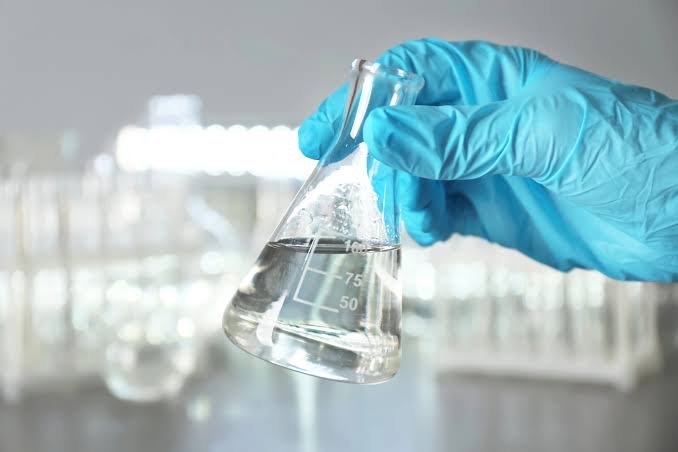
Testing provides something much more useful than guesswork: actual information.
And once you have that information, you can make decisions based on your home’s water rather than buying a random filtration system and hoping it does the job.
Where Nitrates in Groundwater May Come From
Nitrates are naturally occurring compounds, but human activity can influence how they move through the environment.
In rural and agricultural areas, fertilizers can be one potential source. Rain and irrigation may carry nitrate compounds through the soil and eventually into groundwater. Animal waste and poorly managed septic systems can also contribute under certain conditions.
That doesn’t mean every home near a farm automatically has a nitrate problem. Water conditions can vary significantly, even between properties located relatively close to one another.
Well depth, soil composition, groundwater movement, and local environmental conditions can all play a role.
This is why comparing your water to someone else’s isn’t always reliable.
Your neighbor might have excellent water quality while your property requires additional treatment. The opposite can also be true. Each well has its own story, and proper testing is the best way to understand it.
Testing Should Come Before Treatment
It can be tempting to search online, find a system that claims to handle nitrates, and place an order immediately.
But water treatment isn’t quite that simple.
A water test can identify the concentration of nitrates and may also reveal other characteristics that could affect treatment decisions. Hardness, pH, iron, sediment, and other substances can sometimes influence how well certain equipment performs or what type of pre-treatment may be needed.
This is where a professional evaluation can be useful.
The goal isn’t to make water treatment more complicated than necessary. In fact, testing often makes the process simpler. Instead of sorting through dozens of products, you can focus on systems designed to address the actual issue.
Think of it like visiting a mechanic because your car is making a strange noise. You wouldn’t want the mechanic to start replacing random parts without checking what caused the problem. Water treatment deserves the same practical approach.
Find the issue first. Then choose the solution.
How Specialty Treatment Media Can Help
Some nitrate treatment systems use ion exchange technology. In these systems, water passes through a treatment medium designed to exchange certain ions.
A specialty resin may be selected specifically for nitrate reduction, depending on the system design and water conditions.
The process is more targeted than simply running water through a standard sediment filter. Different treatment media are designed to address different water characteristics, which is why a basic household filter may not necessarily be suitable for nitrate concerns.
Like other treatment equipment, resin-based systems need proper sizing and maintenance.
The incoming water quality matters. Household water usage matters. The capacity of the system matters too. A unit that is too small for the household may require frequent regeneration or may not perform as expected.
This is one reason professional guidance can be valuable when nitrate levels have been identified through testing.
The right equipment should be chosen for both the water conditions and the needs of the household.
Not Every Water Filter Is Designed for Nitrates
This is an easy point to overlook.
The word “filter” is used for almost everything related to water treatment, but different technologies perform very different jobs.
A sediment filter may capture particles. Activated carbon can help reduce certain substances that affect taste and odor. A water softener is designed primarily to address hardness minerals. UV treatment can be used for certain microbial concerns.
Nitrate reduction requires treatment technology that is specifically appropriate for nitrates.
A properly designed system may use ion exchange media, reverse osmosis, or another suitable treatment method depending on the application. The important thing is to verify the performance claims of the particular equipment rather than assuming every filtration system handles the same contaminants.
A system that removes nitrates should be selected based on its intended application, capacity, maintenance requirements, and the specific results of the water test.
That may sound like a lot of homework, but it can save money and frustration in the long run.
Maintenance Is Part of Effective Water Treatment
Installing a nitrate treatment system is not the same as solving the problem forever.
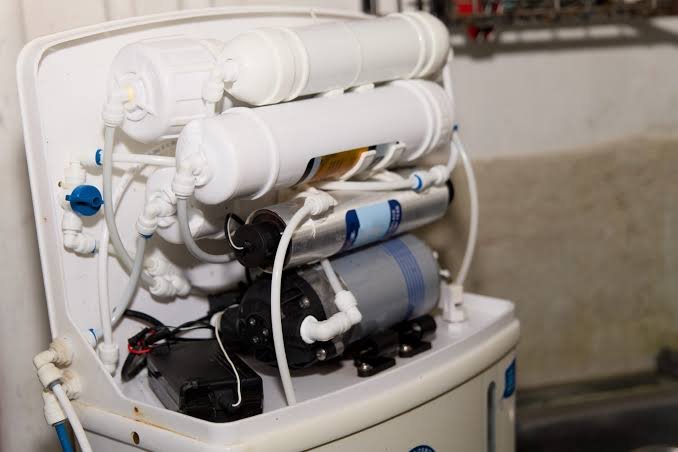
Treatment media have a working capacity. Filters may need replacement. Resin systems may require regeneration or servicing depending on their design. Reverse osmosis systems need regular maintenance and periodic replacement of filters and membranes.
Ignoring maintenance can affect performance.
Before installing any system, homeowners should understand what ongoing care will be required. Ask about replacement schedules, operating costs, service requirements, and how changes in water usage might affect the equipment.
It is also a good idea to continue testing water when appropriate.
A treatment system should be evaluated based on actual performance, not simply because it is still connected to the plumbing. Periodic testing can help confirm whether the system is continuing to address the concern as expected.
Private Well Water Can Change Over Time
One of the challenges of owning a private well is that water quality is not necessarily permanent.
Environmental conditions change. Heavy storms happen. Nearby land use may change. Septic systems age, and groundwater levels can shift.
That doesn’t mean homeowners need to panic every time it rains.
It simply means that periodic attention is sensible. Regular testing can provide a clearer picture of water quality and help identify changes before they become a larger concern.
It is also wise to test after certain events, such as flooding or significant damage to the well structure.
If you notice a sudden change in your water’s appearance, taste, or odor, that can also be a reason to investigate. While these changes do not specifically identify nitrates, they may signal that the water supply deserves a closer look.
Choosing the Right System for Your Household
The best nitrate treatment solution is not automatically the largest or most expensive one.
A small household with moderate water use may have very different needs than a large family using significant amounts of water every day. The concentration of nitrates, the presence of other substances, available installation space, and maintenance preferences can all influence the right choice.
Some homeowners may benefit from treating water throughout the home. Others may focus on a dedicated drinking water system at the kitchen sink.
The decision should be based on how the water is being used and what the testing results show.
When multiple concerns are present, a combination of treatment methods may be necessary. For example, sediment or iron could require pre-treatment before water reaches another treatment stage.
This is where a customized approach often makes more sense than buying an all-purpose system with a long list of promises.
Better Water Decisions Start With Reliable Information
Nitrate concerns can sound intimidating, especially when you first hear about them. But the process of dealing with a water quality issue doesn’t have to be overwhelming.
Start with testing.
Understand what is present and at what level. Consider other characteristics of the water that may affect treatment. Then choose equipment designed for the problem you actually have.
Avoid guessing, and don’t assume that a product labeled as a “water filter” automatically addresses every possible concern.
The best water treatment decisions are usually the most informed ones.
Once the right system is selected, properly installed, and maintained, it can become just another quiet part of the home. You turn on the faucet, fill a glass, cook dinner, and move on with your day.