Some home projects are exciting right up until the mess begins. You might be looking forward to a new kitchen, a fresh start in a different house, or finally reclaiming the garage. Then the boxes multiply, old furniture has nowhere to go, and suddenly your driveway looks like a temporary storage yard.
It happens. Homes collect things quietly over the years, and major projects have a funny way of exposing just how much stuff is actually there. A dumpster can be a practical answer when regular household trash collection isn’t remotely enough. It gives you one place for unwanted material and lets you work without constantly stopping to figure out how to dispose of everything.
Why Big Home Projects Need a Waste Plan
Waste removal isn’t usually the first thing people think about when planning a home project. They think about paint, flooring, furniture, tools, contractors, and budgets. Disposal tends to become an afterthought.
That can create problems.
If debris starts piling up, it takes up working space and can become difficult to move safely. You may also end up making several trips to a disposal facility, which costs time and fuel.
A dumpster keeps the process more organized. As unwanted material comes out, it has somewhere to go immediately. No giant pile sitting in the yard for a week, waiting for a Saturday trip to the landfill.
Reclaiming Space During Garage Cleanouts
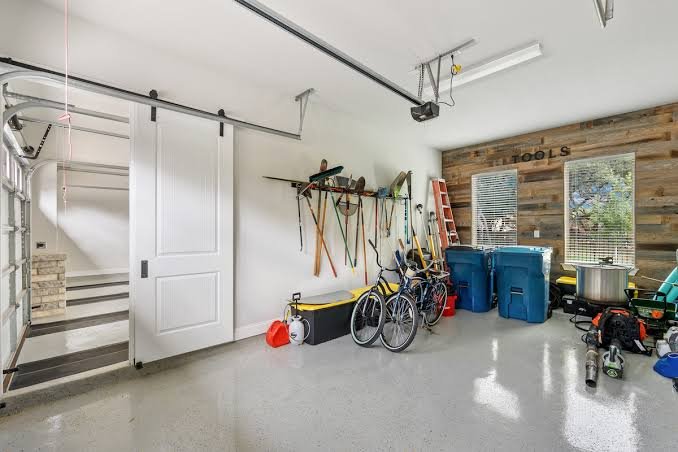
Garages have an almost magical ability to become storage units.
Boxes go in. Old furniture gets pushed against a wall. Broken tools are kept “just in case.” A few years later, you can barely see the floor.
During garage cleanouts, the biggest challenge is often the sheer variety of things you’re removing. There may be cardboard, shelving, old household items, furniture, damaged equipment, and plenty of objects that no longer have a useful purpose.
A dumpster lets you work methodically. Start in one corner, sort what stays and what goes, and put the unwanted material directly into the container.
It can be surprisingly satisfying to watch the floor reappear.
Moving Is Easier With Less Stuff
Moving to a new home is already exhausting. Packing, organizing, cleaning, paperwork, and logistics can take over your entire schedule.
One advantage of moving is that it gives you a natural opportunity to decide what you actually want to keep. That old chair you’ve been storing for five years probably doesn’t need to make another trip across town.
The same applies to worn-out shelves, broken furniture, damaged boxes, and miscellaneous household clutter.
Having a dumpster nearby can make decluttering more practical. Instead of creating a giant pile and figuring out disposal later, you can remove unwanted items as you pack.
Of course, some things should be donated, recycled, or handled through specialized disposal programs rather than thrown away. But for ordinary household debris that is accepted by your rental provider, a dumpster can simplify the process considerably.
Remodeling Creates a Different Kind of Mess
A renovation may look clean on the planning board. Real life is another matter.
During remodeling, old cabinets, flooring, drywall, countertops, fixtures, packaging, and damaged materials can pile up quickly. Even a single room can generate far more waste than expected once demolition begins.
A dumpster placed near the work area gives contractors or homeowners somewhere convenient to put those materials. That keeps walkways clearer and reduces the need to repeatedly move debris around the property.
If you’re renovating multiple rooms, estimate the total waste before choosing a container. Starting with a small dumpster because the first day’s debris looks manageable can backfire once the walls and flooring come out.
Choosing the Right Dumpster Size
Dumpster capacity is usually measured in cubic yards. Smaller containers are useful for modest cleanouts, while larger ones are designed for major renovations, demolition, and substantial property projects.
Don’t focus only on the number of bags you expect. Bulky items can consume space surprisingly quickly.
A sofa, mattress, cabinet, or pile of broken furniture takes up much more room than several bags of lightweight rubbish. On the other hand, heavy materials can create weight issues even when the container isn’t full.
If you’re uncertain, explain your project to the rental provider. Tell them what you’re removing, how large the area is, and whether demolition is involved.
Weight Can Be Just as Important as Volume
People often assume that an empty-looking dumpster still has plenty of capacity. That isn’t necessarily true.
Materials such as concrete, brick, soil, asphalt, and some roofing products can become extremely heavy. Providers often have specific weight limits, and exceeding them may result in additional charges.
Ask about weight allowances before delivery, especially if your project involves construction materials.
For a typical garage or household cleanout, weight may not be a major concern. For renovation work, it deserves much more attention.
Prepare the Drop-Off Area
Where you place the dumpster matters.
A driveway is usually convenient, but check that the delivery truck has enough room to approach and position the container. Remove parked cars and look for low tree branches, fences, gates, and overhead wires.
The ground should be stable and reasonably level.
If the container needs to sit on a public street, check local regulations first. Some areas require permits or have specific placement rules.
A little preparation before delivery can save you a frustrating conversation when the truck arrives.
Load It Without Wasting Space
There’s a better way to fill a dumpster than simply throwing everything inside.
Break down bulky furniture and cardboard boxes when possible. Put heavier materials toward the bottom and distribute the load evenly.
Avoid overfilling the container. Debris should not extend above the permitted level, as this can create safety problems during transportation.
If you’re handling broken glass, metal, nails, or demolition debris, wear gloves and sturdy footwear. Cleanup is no time to discover that an old cabinet has a surprisingly sharp edge.
Plan Delivery and Pickup Around the Work
Timing makes a difference.
Ideally, the dumpster should arrive shortly before the part of the project that creates the most waste. If it arrives too early, it may sit unused. If it arrives late, debris will accumulate elsewhere.
Ask how long the rental lasts and whether extensions are available. Home projects don’t always cooperate with the original schedule.
Also understand how pickup works. Some companies require you to call when the dumpster is ready, while others schedule removal in advance.
A Cleaner Project Feels Like a Better Project
Whether you’re clearing an overcrowded garage, preparing for a move, or tearing apart an outdated room, waste is part of the process.
You can’t eliminate the mess completely. You can, however, give it a place to go.
A properly sized dumpster can reduce repeated trips, keep the work area more organized, and make a major cleanup feel less overwhelming. Plan the size, understand the disposal rules, prepare the delivery area, and schedule the rental around your actual timeline.
And when the final unwanted item goes into the container and the floor becomes visible again, there’s a small moment of victory.
It’s just a cleaner space—but sometimes that feels like a fresh start.