Plumbing has a strange talent for becoming important at exactly the wrong moment. Everything can seem perfectly normal for weeks, maybe even months. Then the shower suddenly goes cold, the kitchen sink refuses to drain, or a mysterious damp patch appears where absolutely no damp patch should be.
Most homeowners have been there.
The tricky part is that plumbing problems rarely arrive with a neat warning label. A small issue can stay hidden behind a wall or beneath a floor, quietly getting worse while daily life carries on. Paying attention to changes in your home’s plumbing can help you catch trouble earlier, avoid unnecessary damage, and make better decisions about when to call a professional.
When Hot Water Becomes Something You Suddenly Miss
You don’t truly appreciate a hot shower until it disappears halfway through one.
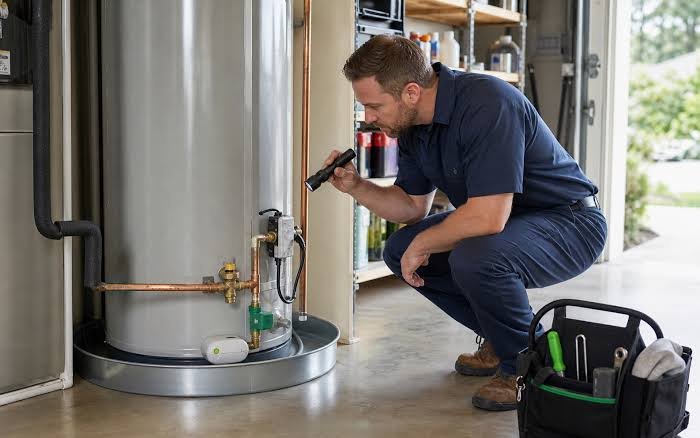
Modern water heaters work quietly in the background, providing hot water for showers, sinks, laundry, and everyday cleaning. Because they’re usually tucked away in a garage, utility room, basement, or closet, they don’t get much attention until something stops working.
Signs of trouble can include inconsistent water temperatures, unusual noises, rusty-looking water, reduced hot water supply, or visible moisture around the unit. Some problems may be relatively simple, while others can indicate aging components or issues that require professional inspection.
A sudden loss of hot water doesn’t always mean the entire unit needs replacing. Sometimes the cause is a faulty component or another repairable issue. However, repeatedly ignoring changes in performance can allow a manageable problem to become more complicated.
Regular inspections and basic maintenance can also help homeowners understand the condition of their equipment before an unexpected breakdown forces a rushed decision.
Slow Drains Have a Way of Getting Worse
A sink that drains slowly can feel like a minor inconvenience. Water still goes down eventually, so it’s tempting to ignore it.
Then one day, it doesn’t.
Hair, soap residue, grease, food particles, and other debris can gradually collect inside pipes. Over time, that buildup restricts water flow and may eventually lead to a complete blockage.
Professional drain cleaning can address stubborn buildup and help restore normal flow without relying on endless rounds of temporary fixes. Repeatedly using harsh chemical products may not always solve the underlying problem and, depending on the plumbing and product involved, can create additional concerns.
If several drains are slow at the same time, or you notice repeated gurgling sounds, the issue may involve more than one local clog. That’s when it makes sense to investigate rather than simply hoping the next bottle of drain cleaner will somehow work magic.
Sometimes the plumbing is telling you something. It’s worth listening.
The Leak You Can’t See Can Be the Most Expensive One
Visible leaks are annoying, but hidden leaks can be far more troublesome.
Water escaping behind walls, under floors, or inside ceilings may continue unnoticed for a long time. By the time staining, peeling paint, warped flooring, or a musty smell appears, the problem may already have caused significant damage.
Modern leak detection methods can help professionals locate suspected leaks without unnecessarily tearing apart large sections of a property. The right approach depends on where the plumbing is located and what signs are present.
Homeowners should pay attention to unexpected increases in water usage, damp spots, unexplained staining, or the sound of water moving when no fixtures are running. These signs don’t automatically prove there is a hidden leak, but they are worth checking.
Trust your instincts here. If something about the house suddenly seems different, there’s usually a reason.
Your Water Bill Can Sometimes Tell a Story
A higher utility bill isn’t always caused by a hidden plumbing problem. Seasonal use, visitors, irrigation, or changing household habits can all affect consumption.
But if your water use increases without an obvious explanation, it’s worth taking a closer look.
Check visible faucets, toilets, and connections for signs of leaks. A toilet that continues running quietly can waste a surprising amount of water over time. Outdoor faucets and irrigation systems can also develop problems that aren’t immediately noticeable.
If nothing obvious explains the change, a professional inspection may help identify whether water is escaping somewhere out of sight.
Waiting until damage becomes visible is rarely the cheapest approach.
Not Every Plumbing Job Is a DIY Project
There are plenty of small maintenance tasks that homeowners can reasonably handle themselves. Cleaning an accessible drain trap, replacing a showerhead, or tightening a simple connection can be manageable.
The problem is that plumbing gets complicated very quickly.
Hidden pipes, water heaters, major blockages, sewer connections, and persistent leaks often require experience and specialized tools. A repair that appears simple from the outside can have consequences elsewhere in the system.
There’s nothing wrong with being handy. In fact, basic knowledge can save time and money. But knowing when to stop is equally valuable.
If you’re uncertain about the source of a problem, repeatedly trying different fixes may cause more frustration than progress.
Prevention Is Usually Less Dramatic Than Repair
The good news is that many plumbing problems can be reduced through fairly ordinary habits.
Avoid pouring grease and unsuitable materials down kitchen drains. Use drain covers where appropriate to catch hair and debris. Periodically look beneath sinks and around fixtures for moisture or corrosion.
Pay attention to changes in water pressure and drainage. A shower that suddenly loses pressure or a sink that begins draining slowly may not be an emergency, but early investigation can prevent bigger problems.
It can also be useful to know where your home’s main water shutoff valve is located. Hopefully, you’ll never need it. But if a major leak occurs, being able to stop the water quickly can make a huge difference.
That’s one of those boring pieces of household knowledge that becomes extremely valuable in a hurry.
Choosing the Right Professional Matters
When a plumbing issue requires expert help, communication should be part of the service.
A reliable professional should explain what they believe is causing the problem and discuss the available options. Homeowners shouldn’t feel pressured into expensive work without understanding why it is being recommended.
Ask questions about the repair, expected results, and whether there are other concerns worth monitoring. If a major repair or replacement is suggested, understanding the reasoning can help you make a more confident decision.
The lowest price isn’t always the best deal if the work is incomplete or the original problem returns shortly afterward. Experience, workmanship, clear estimates, and reliability all matter.
Small Signs Deserve a Little Attention
The biggest plumbing disasters often start with something small.
A strange noise from the water heater. A drain that takes longer than usual. A damp spot near a wall. An unexplained increase in the water bill.
None of these signs should automatically cause panic. Homes are full of little quirks. But repeated changes are worth noticing.
A simple inspection today may prevent damaged flooring, mold-related moisture problems, or a much more expensive repair later. And even when the problem turns out to be minor, there’s something reassuring about knowing what you’re dealing with.
A Well-Maintained Home Has Fewer Surprises
No homeowner can prevent every plumbing problem. Equipment ages, pipes wear out, and unexpected issues can happen even in a carefully maintained property.
But paying attention makes a difference.
Take small leaks seriously. Don’t ignore drains that keep slowing down. Notice changes in hot water performance. And when something seems unusual, investigate before the problem has time to grow.
A plumbing system does most of its work out of sight, which is probably why it’s so easy to forget about. Yet it supports almost everything we do at home, from the first shower in the morning to the last load of dishes at night.
A little care goes a long way. And in the world of plumbing, preventing a headache is almost always better than cleaning up after one.