Most home improvements are easy to see. New flooring, fresh paint, a nicer kitchen faucet — they all announce themselves right away. Water quality is different. It works quietly in the background. You may not think much about it until the tap water tastes odd, glasses come out spotty, or the kettle starts collecting white buildup faster than it should.
That’s usually when homeowners begin asking a simple question: is the water itself part of the problem? Very often, yes. Water can carry minerals, sediment, chlorine taste, metals, or other unwanted elements depending on where it comes from and how it travels before reaching your home. And because water touches almost everything — cooking, bathing, laundry, appliances — improving it can make daily life feel a bit smoother.
Why Better Water Starts with Understanding the Problem
A good water treatment system is not just a filter thrown under the sink and forgotten about. It should be chosen based on what your water actually needs. Some homes deal with hard water. Others struggle with chlorine smell, iron staining, cloudy water, sediment, or a flat metallic taste. Private wells can bring their own concerns, while city water may still pick up particles from old pipes.
That’s why water testing matters. Without testing, you’re mostly guessing. And guessing can lead to buying a product that looks impressive but doesn’t solve the real issue.
Taste, Smell, and Everyday Confidence
One of the first things people notice after improving their water is taste. Coffee tastes cleaner. Tea feels less bitter. Ice cubes don’t carry that strange tap-water flavour. Even cooking can feel better when the water going into soups, rice, pasta, and vegetables is fresher.
There’s also a confidence factor. Nobody wants to hesitate before filling a glass from the tap. Clean water should feel normal. When it doesn’t, the whole household often starts relying on bottled water, which adds cost, clutter, and plastic waste.
Where Reverse Osmosis Fits In
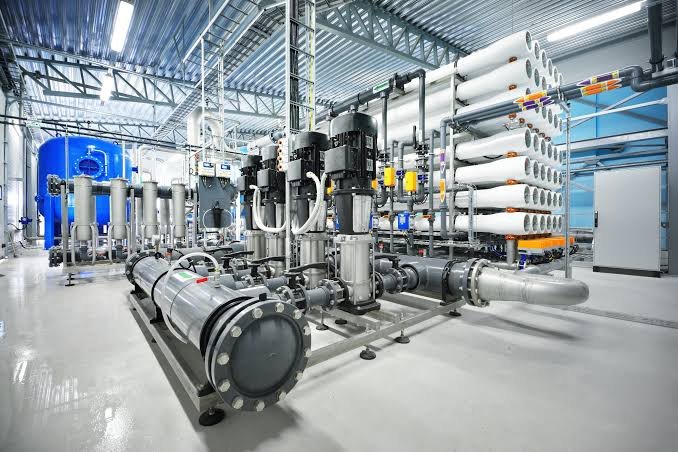
For drinking water, reverse osmosis is often one of the most talked-about options. It uses a semi-permeable membrane to reduce many dissolved impurities that ordinary filters may not fully address. The result is usually crisp, clean-tasting water from a dedicated faucet, often installed near the kitchen sink.
It’s not always the right solution for every single home, but it can be a strong choice when taste, dissolved solids, or drinking-water quality are the main concerns. Some systems also include additional filters before and after the membrane to improve performance and final flavour.
Whole-Home Water Needs Are Different
Drinking water is important, of course, but it’s only one part of the story. The water used by showers, washing machines, water heaters, dishwashers, and toilets matters too. If your home has hard water or sediment, those issues don’t stop at the kitchen sink.
Mineral buildup can affect fixtures. Sediment can collect in appliances. Chlorine can make shower water feel harsh. Iron can stain tubs and laundry. Over time, these little problems become expensive and annoying.
A whole-home system may help when the issue affects multiple areas of the house. This could include sediment filtration, carbon filtration, softening, iron reduction, or a combination system depending on the water test results.
When It’s Time for a Filtration Upgrade
Many homeowners already have some kind of filter, but not every filter keeps up with the home’s needs. Maybe the old cartridge clogs too quickly. Maybe the water still tastes unpleasant. Maybe stains keep returning no matter how much cleaning you do. That’s usually a sign a filtration upgrade may be worth considering.
Upgrading doesn’t always mean choosing the most expensive system. It means choosing the right one. A small under-sink filter may be enough for better drinking water. A more advanced system may be needed for well water, heavy sediment, or whole-house concerns.
Maintenance Matters More Than People Think
Even the best system needs care. Filters must be changed. Tanks may need service. Softener salt has to be checked. RO membranes eventually wear out. Ignoring maintenance can reduce performance and sometimes create new problems.
The good news is that most maintenance is simple when handled on schedule. A reliable installer can explain what needs to be done and how often. For busy families, professional maintenance support can be a real relief.
A Practical Step Toward a Healthier Home
Better water is not a flashy upgrade, but it’s one you feel every day. You taste it in your coffee. You see it on your dishes. You notice it in the shower, in the laundry, and sometimes even in how smoothly appliances run.
The best place to start is with a water test and an honest look at what bothers you most. Once you know the problem, choosing the right solution becomes much easier. And when the right system is in place, clean water stops feeling like a question mark. It simply becomes part of home.