Most people don’t think about their water very often. Honestly, it’s easy to take for granted. You turn on the tap, fill a glass, wash dishes, run the shower, and move on with your day. Water is supposed to work quietly in the background without demanding much attention.
But every so often, something starts to feel a little off.
Maybe the coffee tastes slightly different than usual. Maybe your dishes come out cloudy no matter how much rinse aid you use. Or maybe the shower leaves your skin feeling oddly dry during a season when it never used to.
These aren’t dramatic emergencies. They’re subtle shifts, the kind people tend to ignore because life is busy and there’s always something else to focus on.
Still, those little changes often say more about your home’s water than you might expect.
Water Problems Usually Arrive Quietly
One thing about household water issues is that they rarely appear overnight. Most of the time, they build slowly over months or even years.
You notice white residue around faucets. Towels start feeling rough after laundry. There’s a faint smell near the sink in the morning. Maybe guests mention that your tap water tastes “different,” and suddenly you realize you’ve noticed it too.
The funny part is how quickly humans adapt to inconvenience. We normalize things without even realizing it.
A friend of mine spent nearly a year buying stronger bathroom cleaners because she thought her shower glass was becoming impossible to maintain. Eventually she discovered the real issue had nothing to do with cleaning products at all — it was mineral-heavy water leaving deposits behind every single day.
Sometimes the problem isn’t what we think it is.
Why Water Varies From One Home to Another
A lot of homeowners assume everyone in the area has identical water, but that’s not always true. Even houses on the same street can experience different conditions depending on plumbing age, pipe materials, or water source.
Some homes deal with excess minerals from groundwater. Others struggle with chlorine-heavy municipal systems, sediment, or aging plumbing lines.
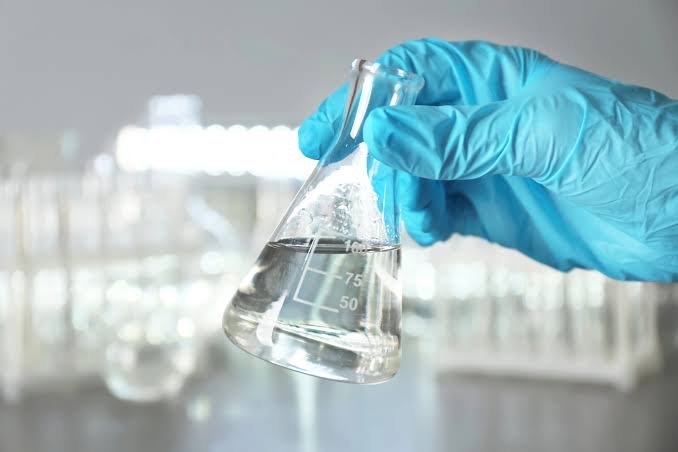
That’s why proper water analysis matters before jumping into solutions. Guessing about water quality usually leads to wasted money and frustration.
Testing provides actual answers:
- Mineral levels
- Chlorine concentration
- Sediment presence
- Iron or sulfur compounds
- Potential contaminants
Once homeowners understand what’s actually happening, choosing the right treatment approach becomes far less overwhelming.
Water Quality Affects More Than Drinking
When people hear conversations about water treatment, they usually think about drinking water first. And sure, that matters. But household water influences far more than what goes into a glass.
It affects:
- Laundry texture
- Appliance lifespan
- Shower comfort
- Skin and hair dryness
- Cleaning efficiency
- Plumbing systems
That’s why improving water quality often changes the overall feel of a home in ways people don’t expect.
Showers become more comfortable. Towels feel softer. Soap rinses away properly instead of leaving residue behind. Dishes come out cleaner without constant spotting.
None of these improvements feel dramatic individually, but together they create a home that simply feels easier to live in.
The Emotional Side of Water Problems
This might sound strange, but bad water creates a low-level kind of stress.
You start second-guessing the tap. You wonder why the shower smells odd after rain. You buy bottled water because nobody in the family likes the taste anymore. Guests quietly avoid drinking from the sink.
None of these things feel catastrophic, but they slowly chip away at comfort and confidence inside the home.
And honestly, people usually don’t realize how much it bothered them until the issue gets fixed.
Clean Drinking Water Changes Daily Habits
There’s something reassuring about having reliable drinking water at home. It sounds simple, but clean-tasting water affects daily life more than people realize.
Coffee tastes smoother. Tea feels cleaner. Cooking becomes easier because strange aftertastes disappear from soups, pasta, or vegetables.
A neighbor of mine installed a filtration system mostly because she hated the taste of her tap water. A few weeks later she told me she’d stopped buying bottled water entirely without even planning to. The habit simply faded once the water tasted fresh again.
That says a lot.
Why Testing Comes Before Treatment
One mistake many homeowners make is rushing into expensive filtration systems without understanding the actual issue first. The internet is full of ads promising miracle solutions, but water isn’t one-size-fits-all.
A carbon filter may solve one home’s chlorine issue perfectly while doing nothing for another home struggling with hard minerals or sediment.
That’s why testing matters so much. Proper analysis prevents people from buying unnecessary systems or treating the wrong problem entirely.
And honestly, sometimes the solution ends up being simpler and more affordable than homeowners originally feared.
Better Water Improves Everyday Life Quietly
One thing people consistently say after improving their water is, “I stopped thinking about it.”
That’s probably the best outcome possible.
Good water fades quietly into the background where it belongs. You stop noticing strange tastes or stubborn stains. Showers become relaxing again instead of irritating. Appliances work more efficiently. Guests stop reaching automatically for bottled water.
Life simply feels smoother.
At the end of the day, water flows through nearly every routine inside a home. It’s part of cooking dinner, cleaning clothes, brushing teeth, and starting mornings. When it’s clean, balanced, and reliable, everything around it feels a little more comfortable too.
And honestly, that kind of everyday comfort is worth paying attention to.