There’s something quietly shifting in the way we look at car ownership. Not long ago, buying a car meant committing to a fixed set of expenses — fuel, maintenance, and of course, insurance. That last one? It was predictable, sure, but not always fair. Whether you drove daily through traffic or barely took your car out on weekends, you still paid almost the same premium.
But now, things are loosening up. A more flexible, almost Netflix-like approach is sneaking into the insurance space. And honestly, it feels overdue.
The Idea Behind Paying Only When You Drive
Traditional car insurance works on assumptions — how risky you might be, based on age, location, car model, and a bunch of statistics. It’s not entirely wrong, but it’s not personal either. It doesn’t really care how often you drive, how cautiously you take turns, or whether your car sits parked most of the week.
That’s where usage-based models step in. Think of it as a system that adapts to your lifestyle instead of forcing you into a fixed bracket.
At the center of this shift is Subscription-based Car Insurance: Pay-as-you-drive model ka impact, which is changing the way insurers and drivers interact. Instead of paying a lump sum annually, you pay based on actual usage — either per kilometre, per trip, or even per driving behaviour.
It’s not just about saving money. It’s about aligning cost with reality.
A Better Fit for Modern Driving Habits
If you really think about it, driving patterns today aren’t what they used to be. Remote work, ride-sharing, and better public transport have reduced daily commuting for many people. Yet insurance pricing hasn’t quite caught up — at least, not until recently.
Imagine someone who drives just 200–300 km a month. Why should they pay the same premium as someone clocking 1,500 km? That imbalance is what this model tries to fix.
And it’s surprisingly simple. A small device or app tracks your mileage (sometimes even your driving style), and your premium adjusts accordingly. Less driving, lower cost. Drive more, pay more — but fairly so.
There’s a certain honesty to it.
Technology Is the Quiet Enabler
None of this would’ve been possible without the tech quietly working in the background. Telematics, GPS tracking, mobile apps — they’ve all come together to make insurance feel… responsive.
Some insurers even go a step further. They analyze braking patterns, speed consistency, night driving frequency. Not in a creepy way (at least, ideally not), but in a way that rewards safer drivers.
It’s a subtle shift from “you might be risky” to “here’s how you actually drive.”
Of course, that also raises a question — how much data are we okay sharing? That conversation is still evolving, and it’s worth paying attention to.
The Financial Upside (and a Few Caveats)
Let’s be honest — the biggest reason people are interested in this model is savings. And yes, for low-mileage drivers, the difference can be noticeable. Sometimes significantly so.
But it’s not a one-size-fits-all win.
If you suddenly increase your driving — say, frequent road trips or a change in routine — your premium will rise too. There’s no hiding from that. In a way, it’s the trade-off for fairness.
Another thing: not all insurers offer fully transparent pricing yet. Some plans still include a fixed base fee, plus variable charges. So reading the fine print matters more than ever.
Still, compared to traditional policies, this approach feels more adaptable. Less rigid.
A Shift in Mindset, Not Just Pricing
What’s interesting is how this model subtly changes behaviour. When you know your premium depends on how you drive, you become a bit more conscious. You avoid unnecessary trips. Maybe you drive smoother, brake less aggressively.
It’s not forced — just a gentle nudge.
And over time, that could lead to safer roads, reduced emissions, and even a different relationship with cars altogether. Ownership becomes less about constant use and more about purposeful use.
Where It Might Head Next
We’re probably still in the early stages. As more insurers experiment and more drivers adopt this model, things will likely get more refined. Better apps, clearer pricing, smarter analytics.
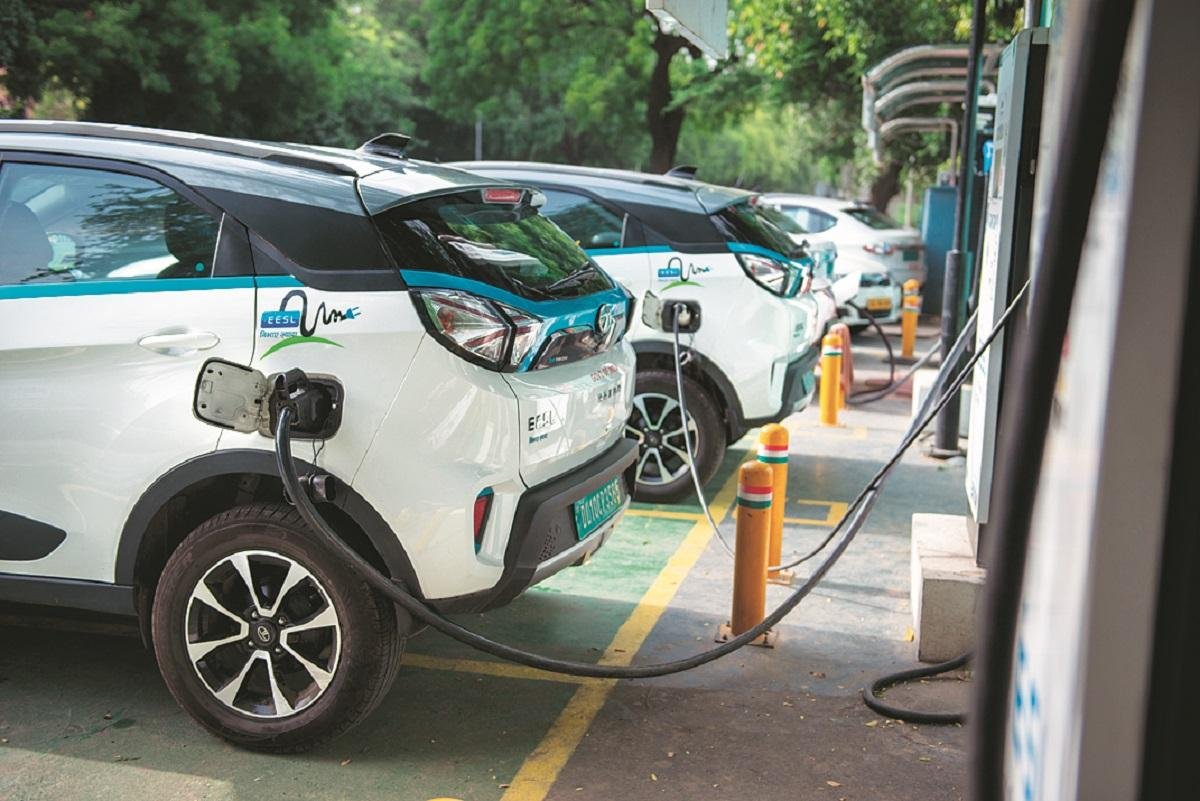
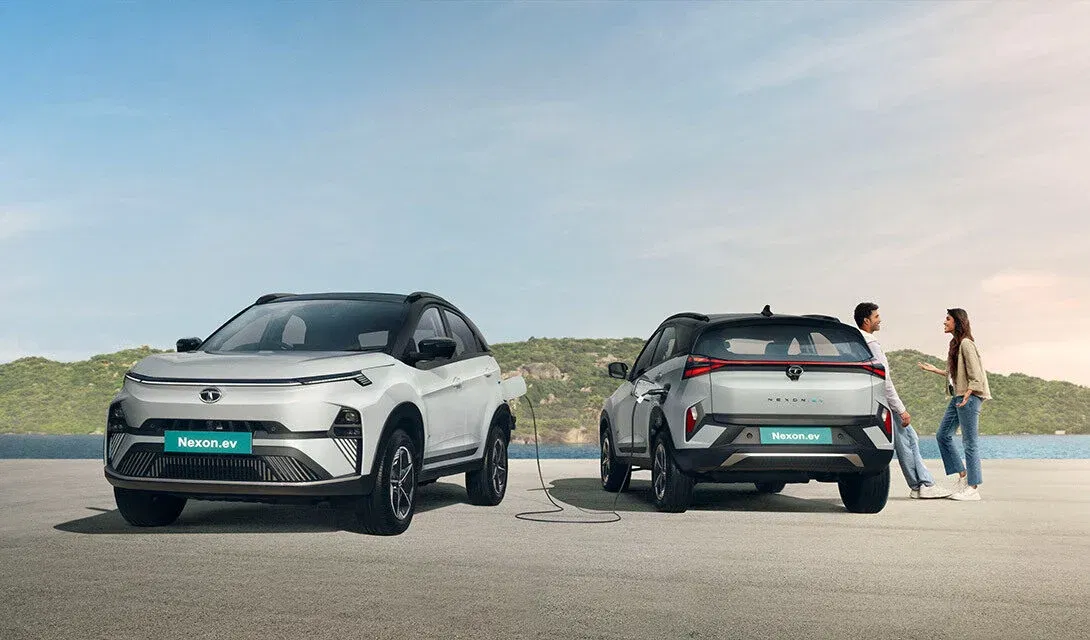
There’s also potential integration with electric vehicles, where usage patterns already differ from traditional cars. The combination could make insurance even more tailored — almost like a utility bill rather than a fixed contract.
And honestly, that makes sense. Why shouldn’t insurance feel as dynamic as everything else we use today?
A More Personal Way to Insure
At its core, this shift isn’t just about saving money. It’s about fairness, flexibility, and a bit of common sense finally entering the system.
Not everyone drives the same way. Not everyone uses their car equally. And now, slowly but surely, insurance is starting to reflect that reality.
It’s a small change on the surface. But if you think about it, it might just redefine how we value mobility itself.