There’s a quiet shift happening in skincare. You can almost feel it when you scroll through routines that used to be ten steps long, now trimmed down to three or four. Less noise, fewer products, more intention. It’s not about chasing glass skin overnight anymore—it’s about fixing what’s underneath.
For a lot of people, this change didn’t come from trends. It came from irritation. Redness that wouldn’t go away. Breakouts that didn’t make sense. A face that just… felt tired. And somewhere along that journey, the idea of repairing the skin barrier started to matter more than adding another serum to the shelf.
Understanding the Skin Barrier (Without Overcomplicating It)
Your skin barrier is basically your body’s frontline defense. It keeps moisture in, irritants out, and tries its best to maintain balance even when you’re throwing actives, pollution, and stress at it daily.
When it’s healthy, your skin feels calm. Maybe not flawless, but stable. When it’s damaged, though, everything feels off—tightness, sensitivity, sudden breakouts, even that dull, uneven texture that makeup can’t quite fix.
And here’s the tricky part: many of us damaged it while trying to improve it. Over-exfoliating, layering too many actives, switching products too often. It’s easy to get carried away.
Why “Repair” Became the New Goal
A few years ago, skincare conversations were dominated by transformation—brightening, anti-aging, acne-fighting. All valid goals, sure. But they often ignored the foundation.
Now, there’s a growing awareness that if your barrier isn’t healthy, nothing else really works the way it should.
That’s why you’ll see phrases like Skin Barrier Repair Trends: Minimal skincare ka rise popping up more often. It’s not just a catchy idea—it reflects a deeper shift in how people think about skincare. Instead of constantly fixing surface issues, they’re trying to build resilience from within.
The Simplicity People Are Returning To
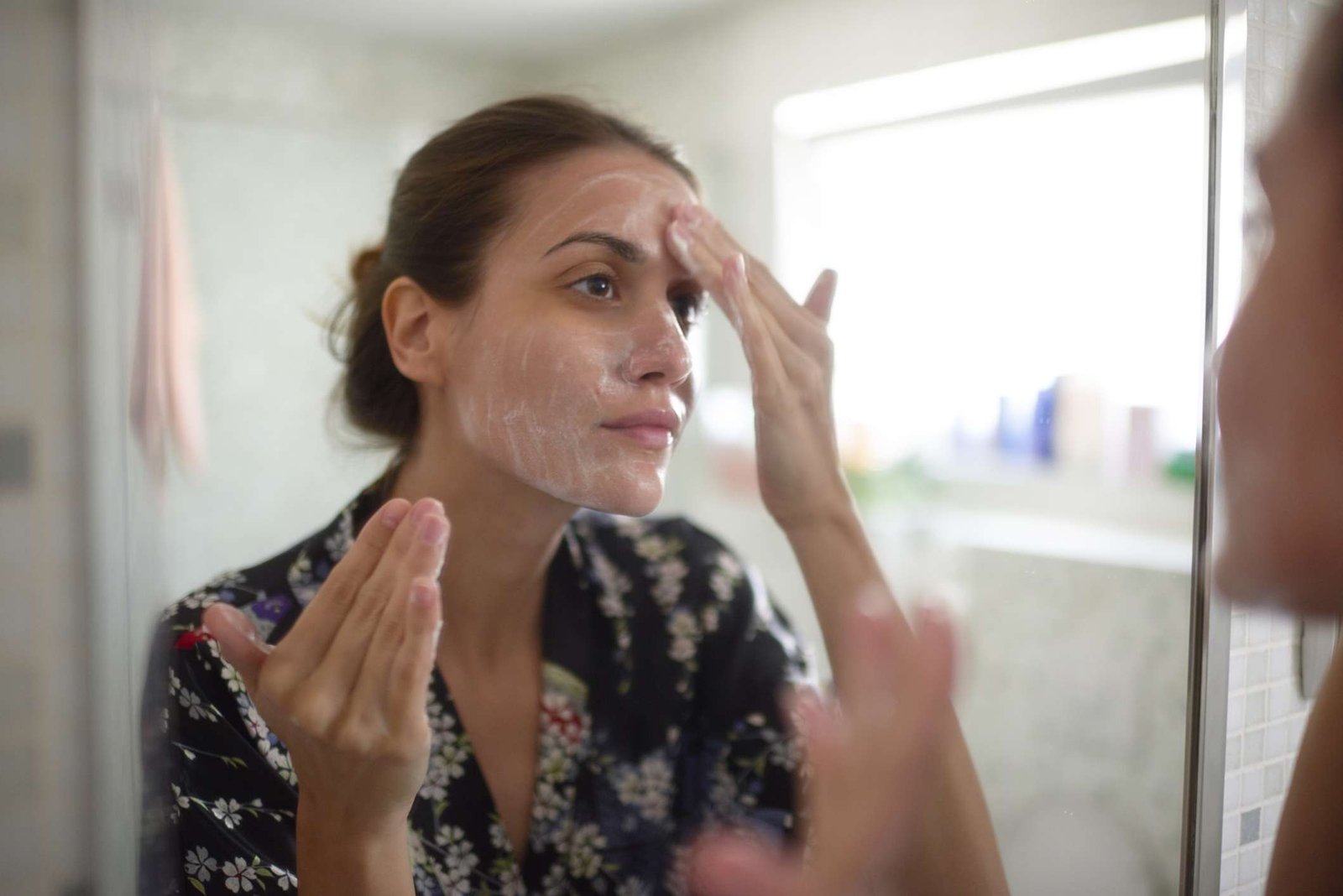
There’s something almost comforting about a simple routine. Cleanser, moisturizer, sunscreen. Maybe one treatment product, if your skin can handle it.
No complicated layering rules. No anxiety about mixing ingredients. Just consistency.
And honestly, for many people, this works better.
Dermatologists have been saying it for years—your skin doesn’t need everything all at once. It needs the right things, used regularly. Ceramides, fatty acids, gentle hydration. Ingredients that support the barrier rather than challenge it.
It’s less exciting, maybe. But it’s effective.
Minimal skincare ka rise
The phrase sounds trendy, but it’s rooted in something real. People are tired of overconsumption—buying product after product, hoping the next one will finally solve everything.
Minimal skincare isn’t about doing less for the sake of it. It’s about doing enough, and doing it well.
You’ll notice people becoming more selective. Reading ingredient lists more carefully. Paying attention to how their skin actually feels instead of chasing viral recommendations.
And there’s a subtle confidence in that. Trusting your own skin over trends.
The Role of Social Media (For Better or Worse)
Social media played a big role in overcomplicating skincare, but it’s also helping simplify it now. Creators are talking openly about barrier damage, about over-exfoliation, about “skin fasting” phases where they cut back and reset.
There’s more honesty, less perfection.
Of course, trends still exist. They always will. But there’s a growing counter-current—one that values patience over instant results.
Brands Are Catching On Too
You can see the shift in product launches. More barrier-repair creams, fewer aggressive actives. Ingredients like niacinamide, panthenol, and ceramides are everywhere.
Even branding has changed. Words like “soothing,” “calming,” and “repairing” show up more than “intensive” or “clinical.”
It’s subtle, but it reflects what consumers are asking for.
It’s Not About Perfection Anymore
Maybe that’s the biggest change of all.
Skincare used to feel like a constant chase—clearer, brighter, younger. Now, for many, it’s about feeling comfortable in your own skin. Not flawless, just balanced.
There’s room for texture. For occasional breakouts. For skin that looks like skin.
And when your barrier is healthy, you notice it—not because your face looks dramatically different, but because it feels… normal. Calm. Predictable.
Final Thoughts
The rise of barrier-focused skincare isn’t a passing phase. It feels more like a correction—a response to years of overdoing it.
People are learning to listen to their skin again. To slow down, simplify, and rebuild. And maybe that’s what good skincare was supposed to be all along.
Not complicated. Not overwhelming. Just thoughtful, consistent care that works quietly in the background.