There’s something oddly unsettling about turning on the kitchen faucet and immediately noticing a smell that shouldn’t be there.
Not a dramatic disaster kind of smell. Just enough to make you pause for half a second before filling your glass.
Most people know that moment.
Sometimes it’s earthy. Sometimes chemical. And occasionally, it’s that unmistakable sulfur-like odor that instantly makes people wrinkle their nose and wonder what exactly is flowing through the pipes.
Water is supposed to feel invisible in daily life. When it suddenly demands attention, homeowners naturally start asking questions.
Strange Water Smells Tend to Stick in Your Mind
The difficult thing about water odors is how impossible they are to ignore once you notice them.
I remember staying at a relative’s farmhouse years ago where the bathroom sink produced a strong rotten egg smell every morning. At first everyone joked about the plumbing “acting up,” but eventually it became frustrating enough that they started investigating the actual cause.
As it turned out, naturally occurring sulfur compounds in the well water were responsible.
And honestly, that situation is more common than many people realize.
Homes using private wells often experience different water conditions than city water systems. Sulfur, iron, sediment, and mineral content vary widely depending on geography and groundwater conditions. Even neighboring properties can have noticeably different water characteristics.
Why Water Can Suddenly Taste Different
Smell usually gets people’s attention first, but taste changes matter just as much.
You make coffee one morning and it tastes oddly sharp. Ice cubes leave a weird aftertaste. Even plain water starts feeling unpleasant enough that you instinctively reach for bottled drinks instead.
At first, many homeowners assume they’re imagining things.
But taste changes often signal that something within the water supply, plumbing system, or filtration setup has shifted slightly. Sometimes it’s seasonal. Sometimes it’s aging pipes. Sometimes mineral content changes over time without people realizing it.
And honestly, people are surprisingly sensitive to subtle water changes once they begin paying attention.
Sulfur in Water Isn’t Always Dangerous — But It’s Definitely Annoying
One thing worth saying clearly is that sulfur water isn’t automatically unsafe in most situations. In many homes, sulfur-related odors are primarily a comfort issue rather than a major health concern.
Still, that doesn’t make living with it enjoyable.
Water containing sulfur compounds often smells stronger when hot water runs because heat releases the gas more quickly into the air. That’s why showers sometimes feel worse than cold tap water from the kitchen sink.
The odor can cling to bathrooms, laundry rooms, and even freshly washed clothing in certain situations. Over time, those little frustrations quietly wear people down.
And honestly, nobody wants guests walking into their bathroom wondering why the sink smells strange.
The Emotional Side of Water Quality
People don’t talk enough about how emotionally connected we are to water.
If water tastes weird or smells unpleasant, we stop trusting it instinctively. Even when we know it’s probably safe, part of the brain hesitates anyway.
That hesitation changes habits.
People buy bottled water constantly. They stop drinking enough water during the day. They avoid using the tap for cooking unless absolutely necessary. Some even begin feeling embarrassed about offering guests tap water at home.
It sounds small, but these routines affect daily life more than we usually admit.
Metallic Flavors Are Another Common Complaint
Alongside sulfur smells, many homeowners also notice a lingering metallic taste in their tap water at some point.
This can happen for several reasons. Older pipes sometimes contribute iron or trace metals into the water supply. High mineral content may also create sharp or copper-like flavors depending on local conditions.
And honestly, metallic water affects everything.
Tea tastes dull. Coffee loses richness. Even pasta water can carry subtle flavors that slightly change meals without people fully realizing why.
I once visited an apartment where the water tasted faintly like old pennies. The tenant had become so used to it she barely noticed anymore until visitors mentioned it immediately.
Funny how quickly people normalize things inside their own homes.
Why Water Problems Often Go Unchecked
One reason homeowners ignore water issues for so long is because the changes usually happen gradually.
If water suddenly turned black overnight, everyone would panic immediately. But taste and odor shifts tend to creep in slowly, allowing people to adapt piece by piece until the problem feels strangely normal.
That’s why testing water periodically actually makes sense, especially for homes using private wells or aging plumbing systems.
The goal isn’t paranoia. It’s clarity.
Once you understand what’s causing the issue, solutions become much easier and less overwhelming.
Most Water Issues Have Manageable Solutions
The good news is that unpleasant taste and odor problems are often fixable.
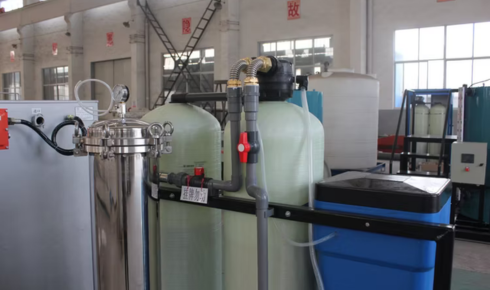
Depending on the source, solutions may involve filtration systems, activated carbon treatment, aeration setups, plumbing updates, or simple maintenance improvements. Some homes need only minor adjustments, while others benefit from more targeted treatment systems.
The important part is identifying the actual cause instead of blindly buying expensive equipment online.
Because honestly, every home’s water situation is different.
Good Water Quietly Disappears Into the Background
At the end of the day, people rarely think about water when it feels clean, neutral, and reliable.
That’s exactly how it should be.
Good water doesn’t draw attention to itself. It quietly supports daily life without strange smells, odd tastes, or constant second-guessing every time someone fills a glass from the sink.
And maybe that’s why water problems feel so disruptive once they appear. Water is woven into nearly every routine we have, so even small changes affect the feeling of home itself.
Once those issues disappear, there’s usually a quiet sense of relief that’s hard to describe.
Everything simply feels normal again — and honestly, that’s enough.