Most people don’t spend much time thinking about water until something changes. Maybe the tap develops a strange taste. Maybe the shower leaves your skin feeling dry every morning. Or maybe you notice white residue forming around the sink and suddenly realize the water running through your home might not be as harmless as you always assumed.
Water is funny that way. It’s part of nearly every routine we have, yet it stays invisible until a problem forces us to pay attention.
And honestly, once people start paying attention to their water, they usually notice a lot more than they expected.
The Everyday Impact Water Has on a Home
Think about how often water shows up during an ordinary day. Coffee brewing before work. Washing vegetables for dinner. Laundry cycles running in the background. A quick shower before bed.
Water touches almost everything.
That’s probably why small changes in water quality become surprisingly noticeable over time. Soap behaves differently. Tea tastes slightly off. Glasses come out cloudy from the dishwasher even after being cleaned properly.
I remember visiting a friend who had recently installed a filtration system under their kitchen sink. At first, I thought it sounded like one of those upgrades homeowners convince themselves they need after watching too many renovation videos online.
Then I drank the water.
It tasted cleaner. Not dramatically different, just smoother somehow. Enough to notice immediately.
That moment made me realize how much we quietly adapt to average water conditions without questioning them.
Why Homeowners Are Looking for Better Solutions
The conversation around home water has changed a lot over the past decade. Years ago, most people only cared if water was technically safe to drink. Now homeowners think about taste, smell, mineral content, appliance efficiency, and long-term household comfort too.
Part of that shift comes from greater awareness. Information spreads quickly now, and people are more curious about what’s entering their homes overall — not just food, but air quality, cleaning products, and water too.
That growing interest has made filtration purification systems much more common in everyday homes rather than just luxury properties or specialty setups.
Some households start small with filtered pitchers or faucet attachments. Others install under-sink systems or full-home treatment depending on local water conditions. There’s no single right answer because every area has slightly different water challenges.
The Difference Between Filtration and Purification
People often use the terms interchangeably, but filtration and purification don’t always mean the exact same thing.
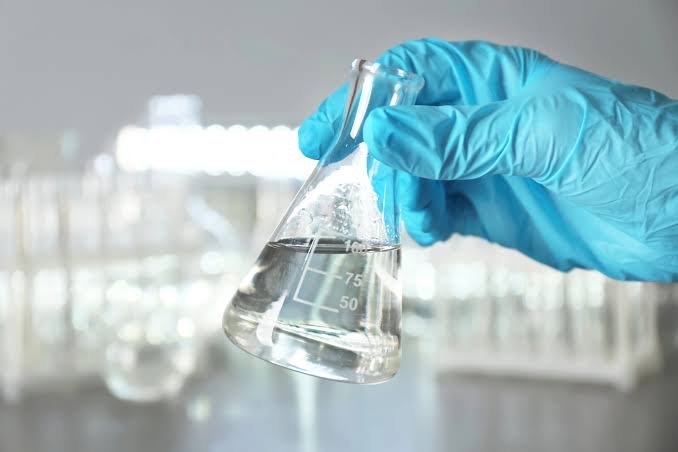
Basic water filtration systems usually focus on improving taste, reducing chlorine, and removing visible particles or sediment. These systems can make water feel fresher and more pleasant for cooking and drinking.
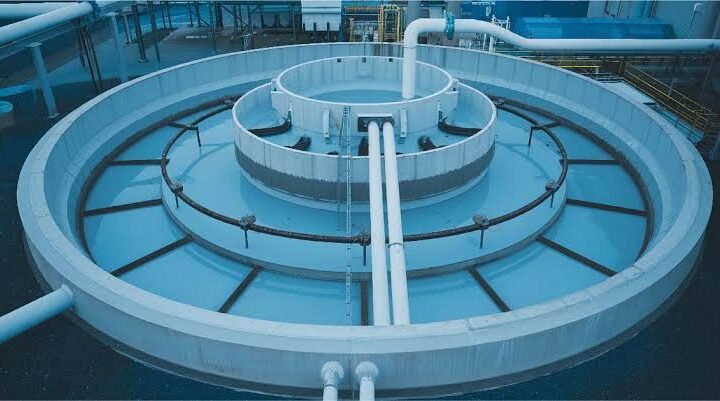
Purification systems often go a step further, targeting microscopic impurities or dissolved substances that standard filters may not fully address. Some use reverse osmosis, ultraviolet light, or advanced membranes depending on the goal.
The important thing is understanding what problem you’re actually trying to solve before buying equipment. Some homeowners only need better tasting water. Others deal with hard minerals, well water concerns, or aging plumbing infrastructure.
The Little Household Problems Better Water Can Fix
One thing people rarely expect is how many everyday frustrations improve alongside water quality.
Dishes dry cleaner. Coffee tastes smoother. Laundry feels softer. Shower doors stay clearer for longer periods. Even soap lathers more effectively in certain conditions.
A relative of mine once complained constantly about stiff towels and cloudy glassware. They assumed it was cheap detergent or an aging dishwasher. Later, a simple water treatment upgrade solved most of the issue within weeks.
That’s the thing about water problems — they often disguise themselves as unrelated household annoyances.
Why More Families Want Cleaner Drinking Water
There’s also a comfort factor involved that’s difficult to measure with numbers alone.
When people trust the water in their homes, daily routines feel easier. They refill reusable bottles automatically instead of constantly buying plastic cases from the store. Kids drink more water naturally because the taste feels cleaner. Cooking becomes simpler because you stop second-guessing what’s flowing from the tap.
That emotional side of water purification probably matters more than most companies realize. People aren’t only buying equipment. They’re buying peace of mind and convenience.
And honestly, those things carry value in everyday life.
Choosing a System Without Getting Overwhelmed
The market for water treatment products can feel overwhelming fast. Every company promises pure water, advanced technology, and life-changing results. It’s easy for homeowners to overcomplicate the process before they even begin.
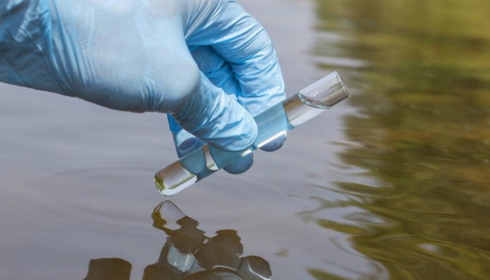
The smartest first step is usually understanding local water conditions. Water testing kits can identify common concerns like mineral hardness, chlorine levels, or sediment presence. Municipal water reports also offer useful information in many areas.
Once homeowners understand their actual water situation, choosing a practical solution becomes much easier.
And surprisingly often, moderate improvements create noticeable results without requiring expensive or overly complicated systems.
Better Water Quietly Changes Daily Life
The interesting thing about improving water quality is that the benefits rarely feel dramatic overnight. Instead, small improvements begin showing up quietly throughout the home.
Morning coffee tastes cleaner. Skin feels softer after showers. Appliances run more efficiently. Glasses look clearer after washing.
Tiny details improve one by one until the overall rhythm of the house feels easier somehow.
Maybe that’s why more people are paying attention to water now. Not because filtration suddenly became trendy, but because daily comfort usually comes down to simple things working properly in the background.
And honestly, water might be one of the most important background details of all.