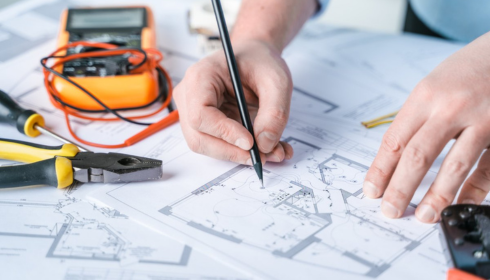
There’s a moment before every major construction project begins where everything still feels abstract. Empty land, unfinished sketches, rough measurements scribbled across plans — nothing tangible yet, just ideas slowly turning into something real.
That early phase may not look particularly exciting from the outside, but honestly, it’s where many of the most important decisions happen.
People often imagine construction as the physical part — cranes moving steel, concrete being poured, walls going up. But long before any of that starts, teams are already making choices that will affect how the building functions for decades.
And surprisingly often, the success of a project comes down to how thoughtfully those early conversations unfold.
Good Planning Prevents Expensive Problems Later
One thing experienced builders learn fairly quickly is that rushing the early stages almost always creates bigger headaches later.
Careful project planning may not feel dramatic, but it quietly shapes everything that follows. Timelines, budgets, material coordination, contractor scheduling, infrastructure layouts — all of it starts long before construction crews arrive onsite.
I once heard a contractor say that construction projects don’t usually fail because of one giant mistake. They fail because of dozens of smaller overlooked details piling up gradually over time.
That observation stuck with me because it applies to almost every kind of building project.
The earlier potential issues are identified, the easier and cheaper they are to solve. Once walls are closed, concrete is poured, and systems are installed, adjustments become significantly more complicated.
Buildings Have Become More Technically Demanding
Modern buildings do far more than provide shelter.
Commercial spaces today support internet infrastructure, climate control, security systems, automated equipment, energy management, charging stations, and countless other technologies working simultaneously in the background.
That complexity means infrastructure decisions carry far more weight than they once did.
And honestly, many people underestimate how much thoughtful electrical design influences the way a building actually feels once it becomes occupied.
Lighting placement affects comfort and productivity. Outlet locations shape how workspaces function. Power distribution impacts equipment reliability. Even small design choices can create long-term frustrations if systems aren’t planned carefully from the beginning.
The tricky thing about electrical infrastructure is that most of it becomes invisible after construction finishes. People rarely see the cables, panels, and distribution systems hidden behind walls and ceilings.
But they definitely notice when those systems don’t work properly.
Construction Is About Coordination as Much as Building
Large projects involve far more moving parts than most people realise.
Architects, engineers, electricians, plumbers, suppliers, inspectors, contractors, and project managers all depend on timing and communication to keep work progressing smoothly. One delayed decision can create ripple effects across the entire schedule.
That’s why strong construction planning matters so much.
Good coordination keeps teams aligned before problems escalate into expensive delays. Materials arrive when needed. Infrastructure systems fit together properly. Safety requirements stay manageable. Different trades avoid interfering with each other’s work.
Without planning, even simple projects can become chaotic surprisingly quickly.
And while clients often focus heavily on the finished result, experienced professionals know the process behind the scenes matters just as much.
The Hidden Value of Flexibility
One of the smartest things modern construction teams can do is build flexibility into projects from the beginning.
Because buildings rarely stay exactly the same over time.
Businesses grow. Equipment changes. Technology evolves faster than expected. Layouts shift. Departments expand. Systems that feel perfectly adequate today may feel restrictive a few years later if future needs weren’t considered early on.
I’ve spoken with business owners who regretted not adding extra electrical capacity during initial construction because later upgrades became far more disruptive after operations started.
That’s the frustrating part about infrastructure decisions — the consequences often appear years later rather than immediately.
Good planning quietly creates room for future adaptation before anyone actually needs it.
Energy Efficiency Has Become a Major Priority
Construction conversations have also changed significantly because of rising energy costs and sustainability expectations.
Efficiency is no longer treated like an optional upgrade for premium projects. Many businesses now view efficient building systems as essential long-term investments.
Modern designs increasingly include smarter lighting systems, improved insulation, automated controls, energy-efficient equipment, and infrastructure built to reduce operational costs over time.
Interestingly, efficient buildings often feel more reliable too.
Balanced systems experience less strain. Equipment performs more consistently. Maintenance problems tend to appear less frequently overall.
And for commercial spaces especially, reliability affects everything from staff productivity to customer experience.
The Best Buildings Feel Effortless
There’s something quietly impressive about spaces that simply work naturally.
The lighting feels comfortable. Systems operate smoothly. Workflows make sense. Nothing constantly demands attention or creates frustration. People can focus on their work instead of dealing with building-related problems every day.
Most occupants never stop to think about the planning behind that experience.
And honestly, that’s probably the clearest sign a project was handled well from the beginning.
Good construction rarely calls attention to itself afterward. Instead, it quietly supports daily life in the background while people move through the space without obstacles constantly interrupting them.
That kind of reliability doesn’t happen accidentally.
It usually begins during those early conversations most people outside the industry never even see — when unfinished ideas slowly become practical decisions capable of shaping a building’s future long before the doors officially open.