Most homeowners don’t wake up one morning suddenly obsessed with water quality. It usually starts with something small and mildly annoying.
Maybe the shower leaves your skin feeling dry every single day. Maybe your dishes come out of the dishwasher covered in cloudy spots that somehow survive every rinse cycle. Or maybe the tap water tastes just strange enough that everyone in the house slowly starts reaching for bottled water instead.
At first, those things feel unrelated. But over time, people begin noticing a pattern.
The water itself affects far more than we realize.
And honestly, once you notice it, it’s hard to stop paying attention.
Water Quietly Shapes Daily Life
There’s something interesting about water because it works almost invisibly in the background of a home. You use it constantly without really thinking about it.
Cooking, laundry, coffee, showers, cleaning — it touches nearly every routine from morning until night. So when water quality isn’t ideal, those little frustrations spread everywhere.
Hard minerals can leave buildup on fixtures. Chlorine changes the taste of drinking water. Sediment affects appliances. Even soap behaves differently depending on local water conditions.
I remember staying with relatives years ago where the shower glass always looked dirty no matter how much they cleaned it. They thought it was cheap glass. Turned out, the water itself was leaving mineral residue behind after every use.
Funny how often people blame everything except the water first.
Hard Water Is More Common Than People Think
One of the biggest issues homeowners deal with is mineral-heavy water. It’s incredibly common in many regions, especially homes connected to wells or older municipal systems.
While not usually dangerous, hard water creates endless small headaches. Soap struggles to lather properly. Laundry feels rough. Faucets collect crusty white buildup. Water heaters lose efficiency because minerals slowly coat heating elements over time.
That’s why so many homeowners eventually look into water softeners once they realize how much wear and tear minerals create throughout the house.
The difference can feel surprisingly noticeable.
Showers feel softer somehow. Towels become fluffier. Cleaning takes less effort because fixtures stop collecting heavy residue so quickly. Even dishes come out looking clearer.
None of these changes sound dramatic individually, but together they quietly improve daily comfort in ways homeowners often underestimate.
Why Filtration Is Becoming More Popular
Years ago, most filtration systems focused mainly on drinking water. Today, homeowners are taking a broader approach.
More families are exploring whole-home filtration systems that treat water as it enters the house instead of filtering only one sink. The logic is pretty simple when you think about it.
Why improve only the kitchen tap if the shower, washing machine, and dishwasher are all using the same water too?
Whole-house systems can help reduce sediment, chlorine, odors, and other impurities before they circulate throughout the plumbing system. And honestly, many homeowners appreciate the convenience more than anything else.
You stop thinking about which faucet has filtered water and which doesn’t. Everything simply feels cleaner and more consistent.
One family I know originally installed filtration because their kids hated the taste of tap water. A few months later, they realized they had practically stopped buying bottled water entirely. The savings alone eventually helped offset the cost of the system.
Drinking Water Matters More Than Ever
Even with improved municipal systems, many homeowners still want greater control over what they’re drinking daily. And honestly, that’s understandable.
People pay attention to ingredients in food now more than ever before. Water naturally becomes part of that same conversation.
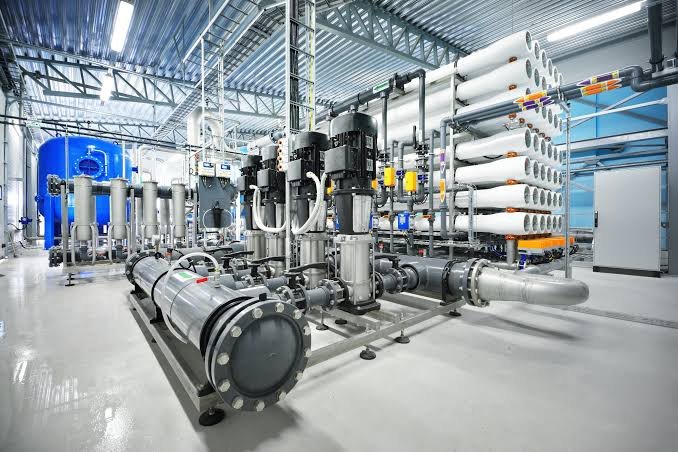
That’s where reverse osmosis systems often come into play. These systems are designed to remove a wide range of impurities and dissolved solids, creating cleaner-tasting drinking water many homeowners immediately notice.
The first thing people usually mention isn’t even health-related. It’s taste.
Coffee becomes smoother. Tea tastes cleaner. Ice cubes stop carrying strange freezer odors. Even plain water feels lighter somehow.
And while bottled water used to seem like the easiest solution, many families are realizing how expensive and wasteful that habit becomes over time.
The Best Water Setup Depends on the Home
One mistake homeowners sometimes make is assuming there’s one perfect solution for everyone.
There isn’t.
Some homes mainly struggle with hard minerals. Others deal with chlorine taste, sediment, sulfur smells, or aging plumbing systems. Rural well water creates completely different concerns compared to city water supplies.
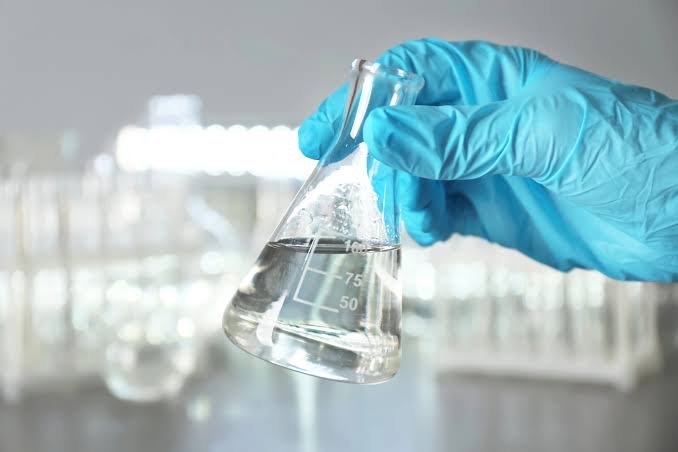
That’s why testing matters before buying expensive equipment based on internet reviews or advertisements. A proper water analysis helps identify the actual issue instead of guessing.
And honestly, many homes don’t need elaborate systems at all. Sometimes a simple softener or targeted filter solves the majority of problems immediately.
The goal isn’t perfection. It’s improvement.
Better Water Changes the Feel of a Home
What’s interesting about upgrading water systems is how quickly the improvements fade into normal life.
You stop noticing weird smells from the sink. Soap works properly again. Showers feel better. Appliances run more efficiently. Eventually, cleaner water simply becomes part of the background of daily life.
That’s probably the best outcome possible.
Good water shouldn’t constantly demand attention. It should quietly support comfort, health, and everyday routines without creating extra frustration or maintenance.
At the end of the day, homeowners aren’t really investing in fancy equipment when they improve their water. They’re investing in smoother mornings, easier cleaning, better-tasting coffee, and a home that simply feels healthier to live in.
And honestly, those little daily improvements add up faster than most people expect.