Most people don’t immediately realize their water is causing problems. It usually starts with little annoyances that seem unrelated at first. The shower door never looks fully clean. Towels feel stiff no matter which detergent you buy. Your coffee maker starts acting older than it actually is.
Life gets busy, so homeowners adapt. They scrub harder, replace appliances sooner, or buy stronger cleaning products without ever stopping to think about the water itself.
But eventually, those small frustrations begin stacking up in ways that are hard to ignore.
And honestly, that’s when many families finally discover how much hard water quietly affects life around the house.
Hard Water Isn’t Dangerous — Just Constantly Annoying
One important thing to understand is that hard water usually isn’t considered unsafe. In many places, it’s simply part of the local water supply because groundwater naturally collects minerals like calcium and magnesium from surrounding rock and soil.
The issue is what those minerals do over time.
Instead of one dramatic problem, hard water creates dozens of tiny inconveniences that slowly wear people down. Appliances become less efficient. Fixtures collect residue faster. Cleaning takes longer than it should. Even your skin and hair may start feeling different without any obvious explanation.
And the strange part is how normal it can seem if you’ve lived with it long enough.
The Clues Start Showing Up Everywhere
Hard water has a way of leaving evidence behind once you know what to look for.
White residue forms around faucets. Showerheads clog gradually. Glassware develops cloudy spots even straight from the dishwasher. Sometimes water heaters become noisy because minerals accumulate inside the tank over time.
That slow scale buildup is one of the most common signs homeowners encounter. At first, it looks harmless enough. But over the years, those mineral deposits can quietly reduce appliance efficiency and increase wear inside plumbing systems.
Water heaters, dishwashers, coffee machines, and washing machines all tend to struggle more when mineral deposits accumulate internally.
And honestly, replacing expensive appliances earlier than expected gets frustrating pretty fast.
Why Bathrooms Feel Impossible to Keep Clean
One of the most noticeable places hard water shows up is the bathroom.
You clean the shower thoroughly, only to see cloudy residue return almost immediately. Sink fixtures lose their shine. Glass doors collect streaks no matter how carefully they’re wiped down.
A lot of that frustration comes from soap scum, which forms when soap reacts with minerals in hard water instead of rinsing away cleanly. The result is that stubborn film people constantly scrub from tubs, tiles, and shower walls.
It’s exhausting in a weirdly repetitive way.
Homeowners often blame cleaning products or ventilation problems without realizing the water itself is creating the issue from the beginning.
Hard Water Changes Personal Comfort Too
The effects aren’t limited to appliances and cleaning either. Many people notice hard water directly on their skin and hair long before they understand the cause.
Soap doesn’t lather properly. Shampoo feels difficult to rinse out. Skin may feel dry or tight after showering. Hair sometimes loses softness or shine despite using expensive products.
Again, none of these issues sound dramatic individually. But together, they quietly affect comfort every single day.
And once people experience softer water elsewhere — maybe at a hotel or while traveling — the contrast often becomes obvious immediately.
Why More Homeowners Are Addressing Hard Water
As awareness grows, more families are actively looking for ways to reduce hard water problems before they lead to bigger maintenance headaches.
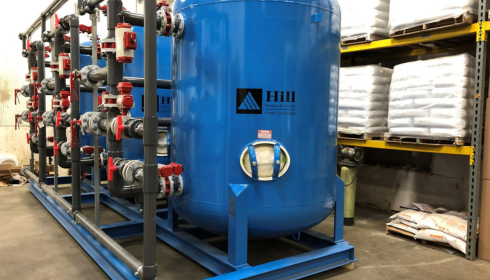
Some choose water softening systems to reduce mineral content throughout the house. Others begin with basic water testing to understand exactly what they’re dealing with before investing in treatment equipment.
And honestly, that testing step matters more than many people realize.
Water conditions vary dramatically depending on geography. One neighborhood may have mild hardness while another struggles with severe mineral-heavy groundwater. The right solution usually depends on the specific condition of the water entering the home.
The Quiet Benefits of Softer Water
What surprises homeowners most after improving their water is how quickly small daily routines start feeling easier.
Laundry comes out softer. Dishes rinse cleaner. Showers feel more refreshing. Bathroom cleaning becomes less of a constant battle. Even coffee and tea can taste smoother because minerals interfere less with flavor.
These changes aren’t flashy enough to impress guests during dinner parties. But the people living in the house notice them constantly.
And maybe that’s the point.
Good water quietly improves everyday life without demanding attention afterward.
Hard Water Costs More Than People Think
There’s also a financial side homeowners sometimes overlook.
When minerals accumulate inside appliances and plumbing systems year after year, efficiency gradually drops. Water heaters require more energy. Pipes can narrow internally. Appliances wear out faster than expected.
Those costs often appear slowly enough that homeowners never connect them directly to water quality.
But over time, the difference adds up through repairs, energy bills, and premature replacements.
Why Water Quality Deserves More Attention
At the end of the day, water is one of the few things we rely on constantly without really thinking about it. It’s part of cooking, cleaning, bathing, laundry, coffee, dishes — almost every routine inside the house depends on it somehow.
So when the water itself creates constant low-level frustrations, the entire home feels harder to maintain.
And honestly, people deserve better than that.
Because improving water quality isn’t really about luxury or perfection. It’s about creating a home that functions more smoothly, feels more comfortable, and stops fighting against you in tiny frustrating ways every single day.