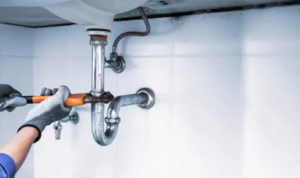
Most homeowners don’t spend much time thinking about plumbing until something stops working. It’s one of those systems hidden quietly behind walls and beneath floors, doing its job without asking for attention. Water flows, drains clear, showers stay warm — life simply moves along.
Then suddenly, something changes.
Maybe the water pressure drops in the kitchen sink. Maybe there’s a leak that keeps coming back no matter how many times it’s patched. Or maybe the house itself starts feeling older in ways that are difficult to ignore. Pipes rattle. Faucets sputter. Drains slow down for no obvious reason.
And honestly, that’s usually the moment homeowners realize plumbing isn’t just a background system anymore. It’s part of the home’s overall health.
Homes Age Quietly Over Time
One thing people learn quickly about homeownership is that houses are always aging, even when everything looks fine on the surface.
Paint fades slowly. Flooring wears down gradually. Plumbing systems experience constant stress every single day from water pressure, temperature shifts, mineral buildup, and simple long-term use. Most of this happens out of sight, which is probably why it catches homeowners off guard later.
A quality installation at the beginning of a home’s life matters more than many people realize because every system depends on that foundation. Poorly installed plumbing often creates recurring issues years later — leaks, pressure imbalances, inefficient drainage, or hidden water damage.
The frustrating part is that small plumbing mistakes usually stay hidden until they become expensive.
And water, unfortunately, tends to reveal problems on its own schedule.
Small Plumbing Issues Usually Mean More Is Happening
Most plumbing problems don’t appear dramatically overnight.
A faucet drips quietly for months. Water pressure weakens slowly enough that homeowners adapt without noticing immediately. Maybe there’s a faint smell near a drain after heavy rain or a strange noise behind the walls when someone runs the shower upstairs.
Those little warning signs matter.
Regular maintenance helps homeowners catch hidden plumbing issues before they turn into larger repairs involving flooring, drywall, insulation, or mold removal. It’s a bit like maintaining a car. Ignoring the warning lights rarely makes the underlying issue disappear.
The challenge is that maintenance feels easy to postpone because plumbing systems usually continue “working enough” for quite a while. Life gets busy. Other priorities take over.
Then eventually, something leaks.
And honestly, once water damage starts spreading, people suddenly wish they had addressed the earlier warning signs sooner.
Why Plumbing Upgrades Are Becoming More Common
There’s been a noticeable shift in how homeowners think about plumbing over the past several years. People aren’t only fixing emergencies anymore. More homeowners are proactively upgrading systems before serious failures happen.
A modern plumbing system upgrade often improves more than just reliability. Updated pipes, efficient fixtures, smart shutoff systems, and modern water heaters can improve water pressure, reduce utility costs, and make daily routines feel noticeably smoother.
That’s especially true in older homes.
Many houses built decades ago simply weren’t designed for modern water demands. Today’s families use larger appliances, multiple bathrooms, filtration systems, tankless heaters, and high-efficiency fixtures that older plumbing infrastructure sometimes struggles to support properly.
And honestly, patching outdated systems repeatedly eventually becomes exhausting.
At some point, homeowners start valuing peace of mind more than temporary fixes.
Older Homes Carry Charm — and Hidden Plumbing Problems
There’s something undeniably comforting about older homes. Established neighborhoods, mature trees, original details that newer construction sometimes lacks. They feel lived in and personal in a way that’s difficult to recreate.
But behind that charm, older plumbing systems often tell a more complicated story.
Galvanized pipes corrode internally over time. Older joints weaken as houses settle. Water lines narrow gradually from decades of mineral buildup. Some homes even contain outdated plumbing materials that no longer meet modern safety standards.
The tricky part is that homeowners usually don’t notice these issues until daily routines start becoming inconvenient. Weak showers. Slow drains. Water discoloration. Rising water bills.
By then, the system has often been declining quietly for years already.
Technology Has Quietly Improved Plumbing
The good news is that modern plumbing work has changed a lot over the years.
Leak detection tools now identify hidden moisture without tearing apart walls unnecessarily. Sewer cameras inspect underground lines accurately. Flexible piping materials resist corrosion far better than older systems ever did.
Smart home technology has entered plumbing too. Some homeowners install automatic water shutoff systems that detect unusual flow patterns and stop leaks before catastrophic flooding happens.
Honestly, after seeing how expensive water damage restoration can become, those systems make a lot of sense.
Efficiency has improved as well. Modern fixtures use less water while often performing better than older designs. Updated water heaters heat faster and waste less energy. Better pipe materials improve water flow and long-term durability.
These aren’t flashy upgrades most guests will notice immediately, but homeowners usually feel the difference every day.
Reliable Plumbing Changes the Feel of a Home
People don’t always connect plumbing to comfort directly, but the relationship is stronger than most realize.
Reliable hot water changes morning routines. Consistent pressure makes showers feel relaxing instead of frustrating. Quiet pipes create peace inside the home. Clean water and dependable drains remove stress homeowners may not even realize they’ve been carrying.
The strange thing about plumbing is that its success usually goes unnoticed.
Nobody walks into a home and compliments the pipes behind the walls. But when plumbing starts failing consistently, it affects the entire atmosphere of the house somehow.
Taking Care of the Basics Matters
At the end of the day, maintaining and upgrading plumbing systems isn’t really about pipes alone. It’s about protecting the comfort and stability of everyday life.
Homes work best when the systems supporting them quietly do their job without interruption. Clean water, dry floors, warm showers, dependable drains — those simple things create normalcy in ways people rarely appreciate until they disappear.
And maybe that’s the real value of investing in plumbing. Not because it’s exciting or glamorous, but because reliable systems allow life at home to feel calm, comfortable, and steady again.
